
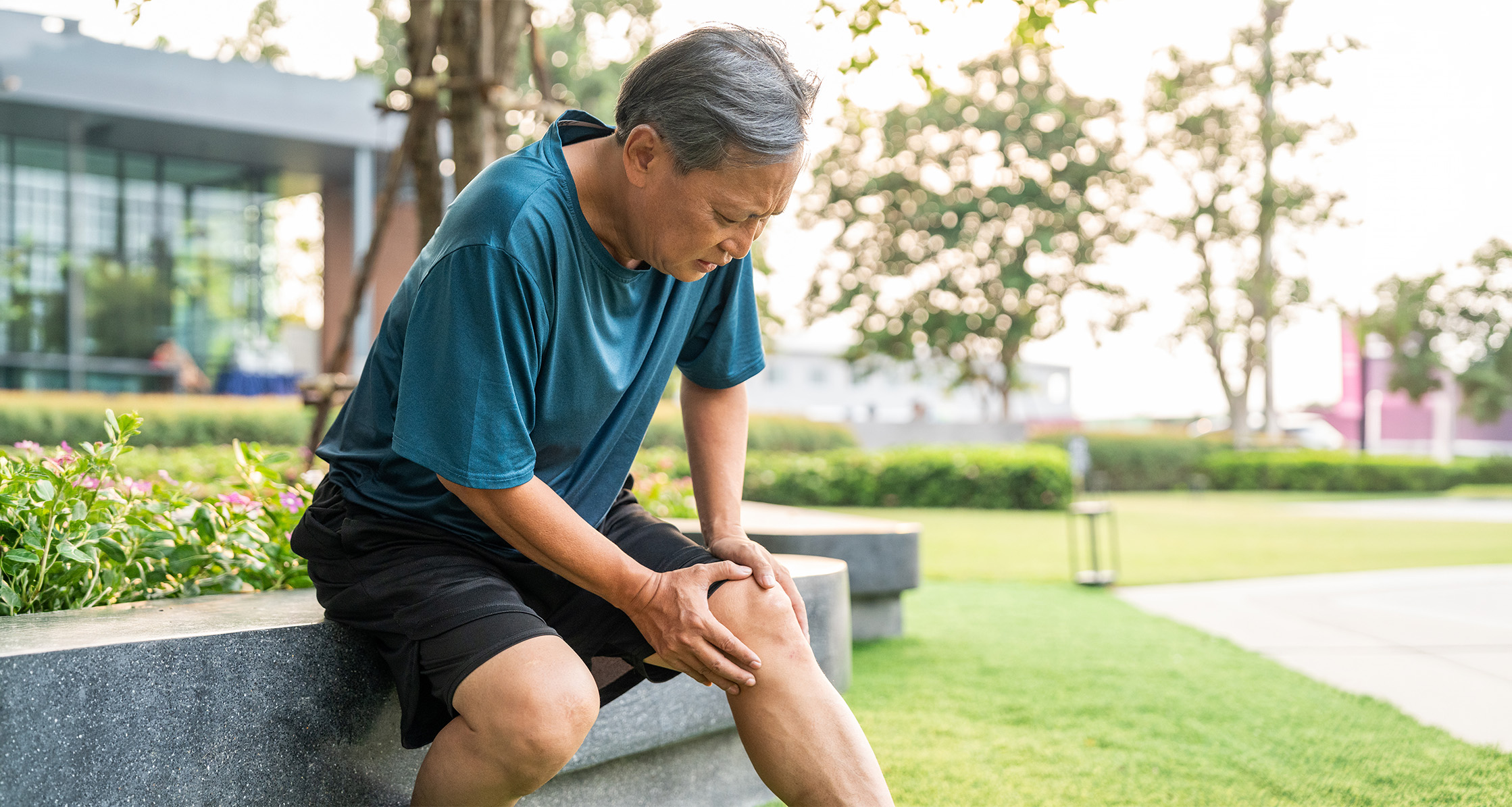
Chronic pain can easily force you to become isolated, sedentary, and hopeless, but it doesn’t have to. Reach out for support today and get started on a path to feeling better.
In recent data from the Department of Veterans Affairs (VA), research shows that chronic pain is one of the key risk factors for individuals who died by suicide. Chronic pain can cause a wide range of physical and mental health issues, such as disrupted sleep, loss of function, opioid addiction, and a declining quality of life.
Knowing this, it’s important that Veterans living with chronic pain understand its relationship to suicide risk, as well as what treatments and support are available to help manage it in a healthier way.
The Connection Between Chronic Pain and Suicide
Individuals with chronic pain are at least twice as likely to report suicidal behaviors or to complete suicide, according to research from the National Library of Medicine. For Veterans, this is especially concerning, as so many experience chronic pain from injuries that occur when deployed, during training, or even at home. For example, about half of Service members who deployed as part of Operations Iraqi Freedom and Enduring Freedom have a pain diagnosis.
Chronic pain is pain that lasts for over three months and can last for several years. You may feel the pain all the time, or it may come and go. It can happen anywhere in your body and has countless causes. Common examples of chronic pain include back pain, migraines or headaches, arthritis or joint pain (like knee pain), nerve pain, and more.
In addition to the physical pain, which can feel relentless and overwhelming, chronic pain causes many challenges for Veterans living with it, including:
- Sleep disruption and extreme sleep loss
- Loss of function (an inability to complete certain tasks independently)
- A lower quality of life (an inability to work, enjoy hobbies, or maintain a normal social life)
- Loss of purpose
- Increased risk for mental health issues such as depression or anxiety
- Increased risk for opioid addiction
- Mental defeat and hopelessness
- Perceived burdensomeness (feeling like you are an emotional and financial weight on your family or friends)
- Relentless physical suffering
All of these challenges contribute to the increased risk of suicide for people trying to live with chronic pain. But with proper pain management, Veterans and their healthcare providers can help lower the risk of suicide and improve their quality of life.
The Importance of Treatment
Several treatments have the potential to help when it comes to chronic pain. After years of research, VA has found that opioids usually don’t help chronic pain much over the long run, and they carry serious risks like addiction, overdose, and suicide. At the same time, pain that is not treated can also raise these risks. Research shows that long-term or high-dose opioids can raise the risk of suicide and overdose. But suddenly stopping opioids is also risky — the risk of overdose or suicide can go up when opioids are stopped quickly, especially for people who have taken them for a long time. Any change to an opioid plan should be made slowly and together with your healthcare team. Whereas individualized, non-pharmacological treatment plans can provide Veterans with an array of tools for treating pain safely and reducing its effect on daily living.
Finding the treatment or treatments that work best for you is an important step in managing and living with chronic pain. Here are some alternative treatments to consider with your healthcare team:
- Exercise – Exercise and movement can help build strength and flexibility and make daily tasks easier. It may also ease how much pain bothers you, help you sleep, and lift your mood. For most people the improvements are small to moderate, and exercise tends to help joint, muscle, and body-wide pain more than nerve pain. Staying active over time matters, and it helps to start gently and build up slowly. Yoga and Tai Chi are excellent exercises to consider because both can be done in a gentle manner and include a mind-body connection, which may have added benefits for chronic pain. Consult your healthcare provider before starting a new exercise plan.
- Nutrition – Eating more whole foods — like fruits, vegetables, whole grains, and lean proteins — may help lower inflammation and could ease pain for some people, though the research is still limited and mixed. A healthy diet can also help your mood, energy, sleep, and weight, which may make pain easier to manage. No single “best” diet has been proven, so work with your care team on a pattern that fits you.
- Mind-body techniques – Techniques like deep breathing, Tai Chi, yoga, and meditation have been shown to improve pain, boost mood, and reduce stress levels, as they help you reinterpret or reappraise your focus on the pain. For more information about mind-body approaches and specific tools to consider, check out the Power of the Mind overview and related tools.
- Acupuncture, spinal
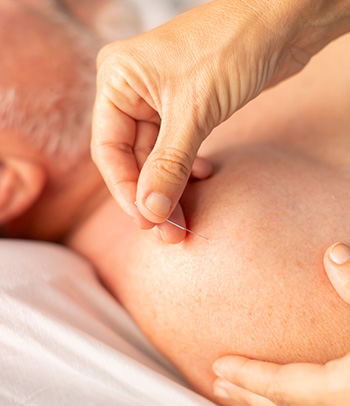 manipulation, and massage therapy – These hands-on and needle-based treatments are often used for muscle and joint pain and can help you relax. Studies suggest they give small, mostly short-term relief, and they work best as one part of a larger plan.
 - Cognitive Behavioral Therapy for Chronic Pain (CBT-CP) – The VA’s CBT-CP program can lead to modest improvements in pain, in how much pain interferes with daily life, and in unhelpful thinking patterns about pain. It teaches thoughts and habits that lower your sense of pain. The benefits are usually small to moderate, and they differ from person to person.
All of these treatments offer low-risk, non-pharmacological ways to treat your chronic pain. Some focus on manipulating your physical body, such as exercise and massage, while others focus on your brain’s perception of pain, such as mind-body techniques and CBT-CP.
VA’s Whole Health approach to managing chronic pain is a great place to begin to figure out which treatments work best for you and has been shown to reduce pain interference in Veterans. Learn more about VA’s Whole Health and other resources below.
Resources
- VA’s Pain Management page – This page offers information, resources, self-help tools, courses, and more related to managing your pain effectively and safely.
- VA’s Whole Health Program – This program supports your health and well-being by focusing on the areas of your life that matter most to you. Your health team will get to know you as a person to develop a personalized health plan based on your values, needs, and goals. The idea is to look at several different aspects of your life, such as your personal life and development, your sleep habits, your movement habits, your spirit and mind, and how they all connect to build health and wellness.
- Veterans Crisis Line – The Veterans Crisis Line offers 24/7 confidential crisis support for Veterans and their loved ones. Dial 988 and press 1 to connect.
- Healthy Homefront – Healthy Homefront has several articles related to different approaches to chronic pain, such as Tai Chi, massage, meditation, and other alternative approaches to wellness. Explore the site by typing what you’re looking for into the search bar.
Chronic pain can easily force you to become isolated, sedentary, and hopeless, but it doesn’t have to. Reach out for support today and get started on a path to feeling better.