
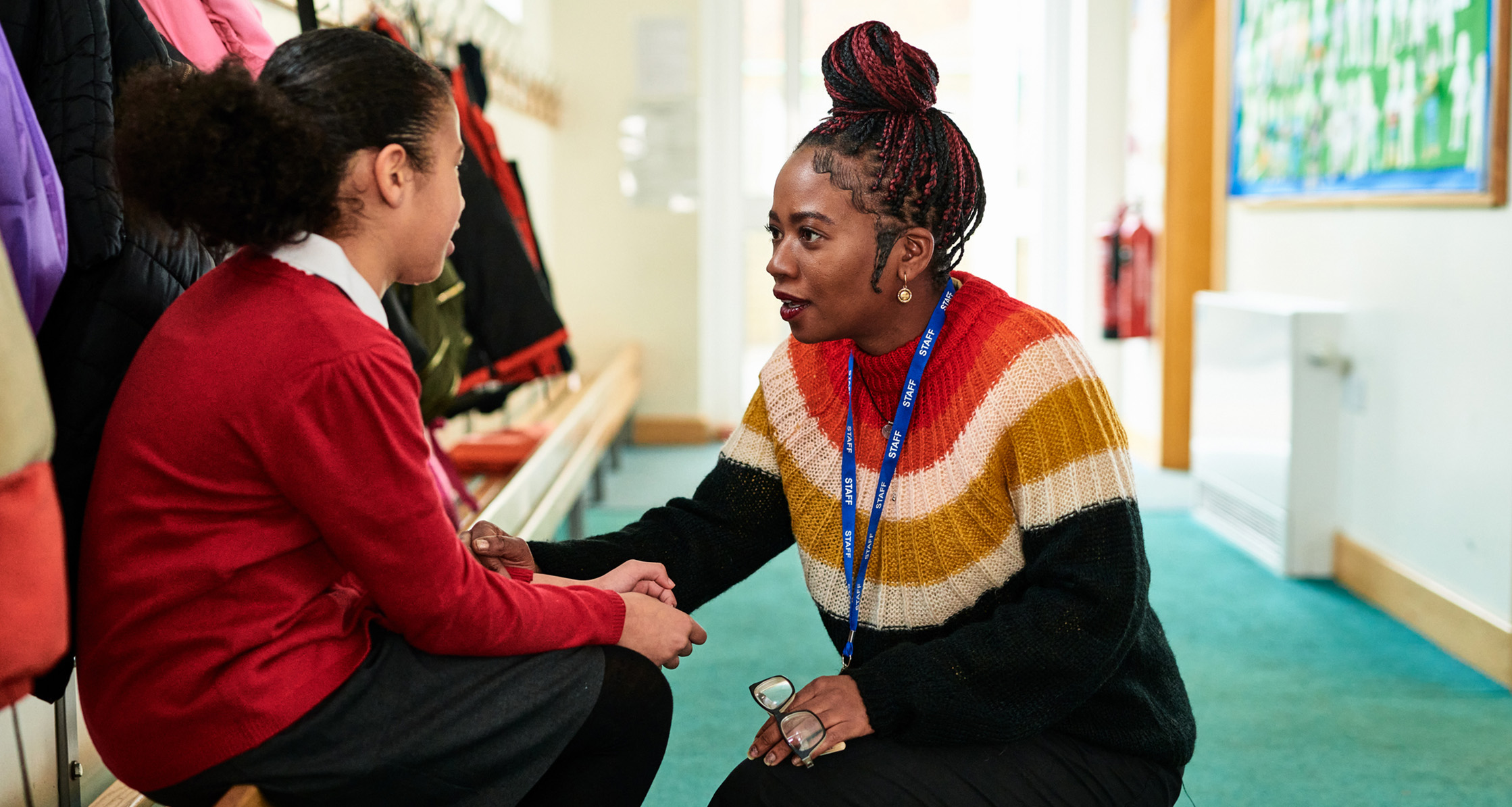
According to the National Center for Educational Statistics, one in five students ages 12-18 experiences bullying.
It may not look like the stereotypical big kid in the schoolyard picking fights or taking lunch money anymore, but bullying is still common among children. According to the National Center for Educational Statistics, one in five students ages 12-18 experiences bullying.
Whether it’s being the target of mean gossip or rumors or finding out their photos have been shared without permission, children are affected by bullying and parents can play a key role in preventing it.
Learn more about bullying, the warning signs to watch for, and the role parents can play in preventing it.
What Is Bullying?
The Centers for Disease Control and Prevention defines bullying as any unwanted aggressive behavior by another youth or group of youths who are not siblings or current dating partners. Bullying involves an observed or perceived power imbalance and is repeated multiple times or is highly likely to be repeated. Bullying may inflict physical, psychological, social, and/or educational harm or distress on the targeted youth.
Common types of bullying include:
- Physical: hitting, kicking, tripping
- Verbal: name-calling, teasing
- Relational or social: spreading rumors, exclusion
- Damage to the victim’s property
Bullying can also occur through technology, also known as electronic bullying or cyberbullying. Cyberbullying includes a wide range of online behaviors, including sending abusive or threatening messages to a victim, pretending to be someone else online to damage a person’s reputation, or publicly sharing private information without consent.
How Do I Know If My Child Is Being Bullied?
Children who are involved in bullying may react in very different ways. Parents should pay close attention to changes in their children’s behavior, attitude, or emotions. Knowing common signs of bullying can also be helpful. StopBullying.gov suggests being aware of these common signs:
- Unexplainable injuries, such as bruises, cuts, and scratches
- Frequent headaches or stomachaches, feeling sick, or faking sickness
- Mood swings or different moods than typically shown, like more tears or more tantrums
- Changes in sleep patterns, such as wanting to sleep a lot, not being able to sleep, or having nightmares
- Lack of interest in attending school or social functions
- Poor grades or issues in school
- Changes in eating habits, including loss of appetite, refusing to eat, or overeating
- Lost or damaged clothing or possessions
According to data from the 2022 Military Family Lifestyle Survey, bullying is more common among military children. The report reveals that one in three military children experienced bullying on school property within a year of the survey being conducted. Military children can be at increased risk for bullying due to the unique life challenges they often face. Moving frequently, losing an established support network of peers and trusted adults, and dealing with the stress of a parent’s deployment can all put military children at increased risk for being bullied.
How Can I Help Prevent Bullying?
- Have open and honest discussions.
 To build trust with your children, have open and honest conversations as often as you can. It can be before dinner, while you’re in the car, or over breakfast. Ask questions like “What are the best and worst things that happened to you today?” “Who did you sit with? Why?” “What would you change about today?” “You seem stressed. Is anything bothering you?”
 - Discuss bullying. Your kids may not know how to bring up bullying. They could be worried, embarrassed, or ashamed to discuss what’s happening. Make bullying a common topic. For example, bring up a story you saw in the news, or something you heard from a parent at another school. Talk about experiences you’ve had with bullying and how it made you feel. Normalize the topic to make your children feel more comfortable.
- Make a plan together. Children need to know that no one deserves to be bullied, that it’s not their fault, and that their safety is your top priority. Ask your child if they want your help with the situation, and if so, what kind of help? Do you need to contact the school? Is there another parent you need to speak to? Can you brainstorm good ways to respond if something similar happens?
- Model and teach kindness and empathy. Talk to your children about how to treat others and how they expect to be treated. Teach them the importance of being kind and having empathy for others. Show them different ways to respond to difficult situations and make a point to have them look at things from other people’s perspectives.
- Build your child’s confidence. Confident children may be more likely to intervene if they witness someone being bullied and may have an easier time standing up for themselves. Help your children build their confidence by providing them with positive experiences and activities to make them feel successful. If your child is new to an area, connect them with programs or activities that widen their social network and help them feel good. Your school liaison can help you learn more about after-school activities and ways to get involved in your school’s community. In addition, check out your installation’s youth sponsorship program to get connected with children of your child’s age to help build their support network.
- Identify trusted adults. You can’t be everywhere, so emphasize the importance of having other trusted adults your children can turn to, if necessary, during school or extracurricular activities. It could be a coach, a teacher, a counselor, or anyone else they can trust.
What Resources Are Available to Help?
If your child is involved in bullying, there are several resources that may help them.
- The Veterans Crisis Line is a free, confidential resource for all Service members and Veterans. If you or your child needs immediate help, call 988 and press 1 or text 838255. Trained counselors are available 24/7.
- Military OneSource has parenting information and articles, including how to help a child being bullied. Military OneSource also offers children and youth counseling services. Licensed counselors can provide support for issues such as low self-esteem, bullying, anger management, and more. You can also contact your installation’s Military and Family Support Center to get connected to child and youth behavioral counselors near you.
- Stopbullying.gov provides tips and resources designed to help parents prevent and respond to bullying, including how to respond to cyberbullying, which often requires different strategies.
- Sesame Street for Military Families offers advice and resources on several topics related to challenges military children may face, including deployments, relocations, self-expression, and more.
Armed with these tips and resources, you can help prevent bullying and help your children thrive.