
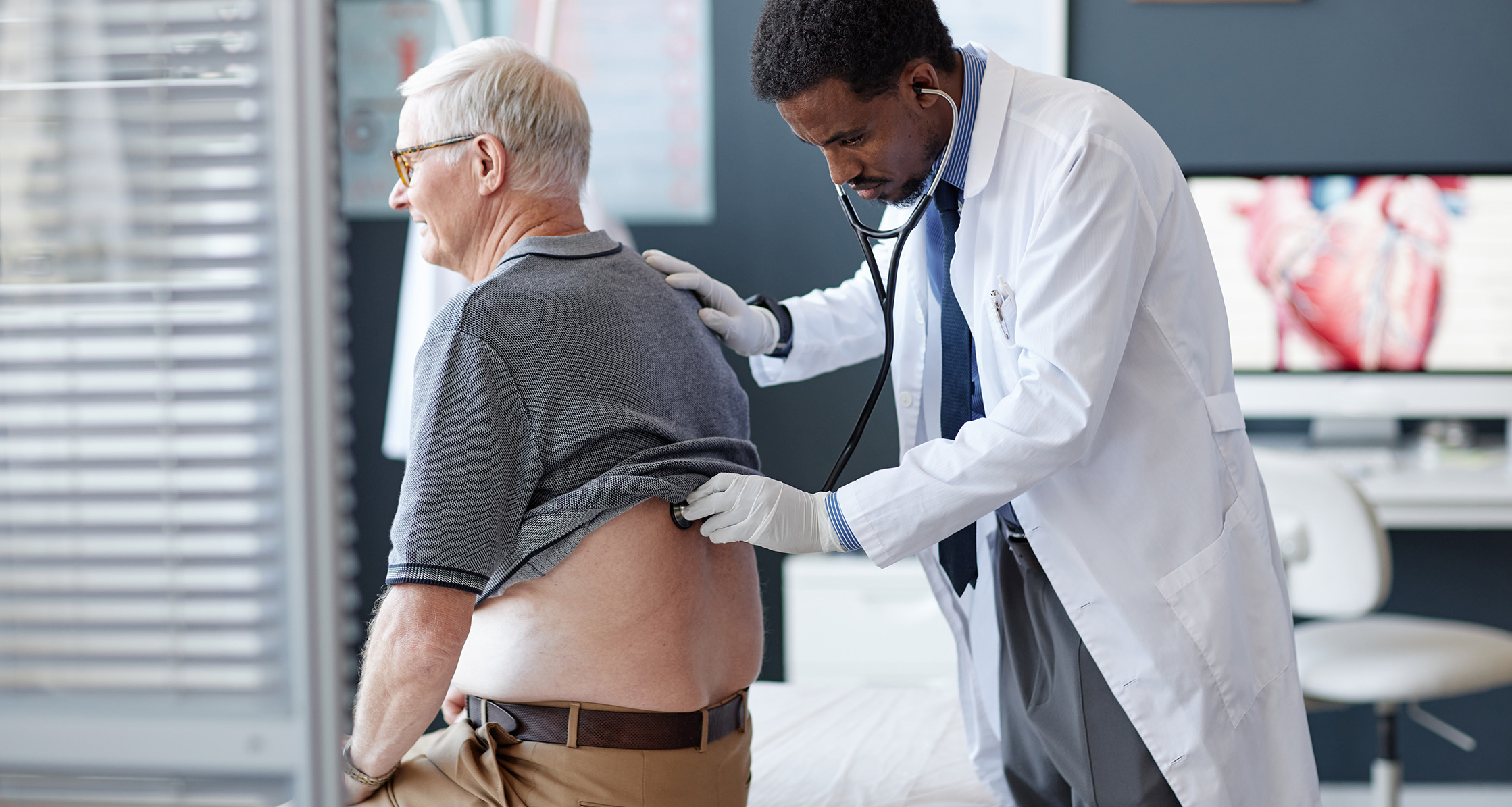
As a Veteran, there are certain screenings the Department of Veterans Affairs recommends to ensure you’re taking the best care of your health after service.
Many of us know the basic tenets of staying healthy – like diet, exercise, and good sleep. But what about health screenings?
Routine health screenings are an important piece of staying healthy and living a full life after service. As a Veteran, you might be at a higher risk of developing several conditions, including certain cancers, mental health conditions, and chronic conditions linked to toxin exposures. Health screenings are one way to ensure you’re managing your risk and staying on top of your health care.
Learn more about health screenings, why they’re important, and which screenings are right for you.
What Are Health Screenings?
Health screenings are a proactive, preventive approach to long-term health rather than a reactive approach to sickness. Screenings are often used for early diagnosis of a disease before there are any signs or symptoms, when it’s easier to treat, like a colonoscopy for colon cancer or a pap smear for cervical cancer. But there are many other common screenings as well. These screenings might include checking your blood pressure for hypertension, getting your cholesterol levels checked for heart disease risk, or receiving a mental health evaluation.
Why Are Screenings Important?
There are several reasons why getting regular health screenings is important.
- Early detection and prevention – When diseases are detected early, even before symptoms appear, they are often the most treatable, manageable, or even curable.
- Prompt intervention – When your health care provider detects a disease, intervention may prevent it from becoming more serious or fatal.
- Improved treatment outcomes – Catching diseases like cancer early significantly increases successful treatment and survival rates. The risk of developing type 2 diabetes can be significantly reduced through lifestyle changes such as diet and exercise when prediabetes is detected early.
- Personal control – When you know your health data, such as your blood pressure, cholesterol levels, and risk for certain diseases, you can take better control of your health.
- Peace of mind – Knowing that you’re being regularly screened for certain diseases can provide you with comfort and reduce anxiety about your health.
What Screenings Are Recommended for Veterans?
Every person is different, so recommendations for preventive services often depend on your age, sex, health status, and family history. However, as a Veteran, there are certain screenings the Department of Veterans Affairs (VA) recommends to ensure you’re taking the best care of your health after service.
Veterans, especially those who have served in combat, are at an increased risk for various health issues, such as post-traumatic stress disorder (PTSD), traumatic brain injuries (TBI), chronic pain, depression, and other long-term conditions. Many of these conditions may not show symptoms immediately after service, making preventive health screenings even more important.
Most Veterans should be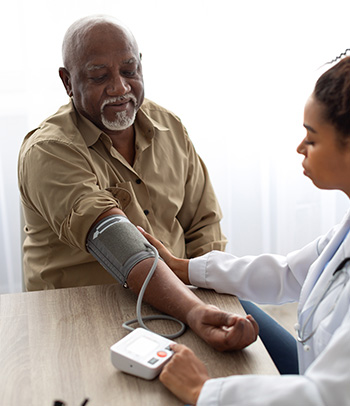 screened for:
- Alcohol abuse
- Depression
- High blood pressure and cholesterol
- Human immunodeficiency virus (HIV)
- Military sexual trauma
- Obesity
- PTSD
- Tobacco use
- TBI
It’s also important for Veterans to ensure they’re up to date on cancer screenings, such as mammograms, colonoscopies, pap smears, and, for certain Veterans, low-dose CT scans to evaluate for lung cancer. According to VA:
- Lung cancer affects more than 7,000 Veterans each year and causes more deaths than any other cancer among Veterans. For Veterans aged 50 to 80 who have a significant smoking history (at least 20 pack-years) and currently smoke or quit within the past 15 years, annual low-dose CT scans can help catch lung cancer early.
- Colorectal cancer screenings should start at age 45, with easy options such as tests you can do in the comfort of your own home.
- Cervical cancer screening is recommended starting at age 21. From ages 21 to 29, a Pap test every three years is recommended. From ages 30 to 65, options include an HPV test every five years (preferred), a Pap test every three years, or both tests together every five years. Screening can generally stop after age 65 with adequate prior results.
- Mammograms are recommended every two years, starting at age 40 for those at average risk, according to the US Preventive Services Task Force (USPSTF). Some guidelines recommend annual screening starting at age 45. Talk with your provider about the best plan for you.
VA offers a detailed list of the preventive health services recommended for women Veterans of average risk. Whether you need a mammogram, bone density scan, or a pap test, you can turn to VA Women’s Health for the tools you need to stay informed, empowered, and in control of your well-being. VA also offers a detailed list of recommended preventive health services for male Veterans of average risk.
Specialized screenings designed to detect service-related conditions are also crucial for Veterans. These include screenings for toxic exposures to address hazards from military service, such as burn pits and Agent Orange exposure.
It’s important to remember that all preventive services have “pros” and “cons.” Talk with your VA health care team about the preventive services that are right for you.
What Are My Next Steps?
- Talk to your health
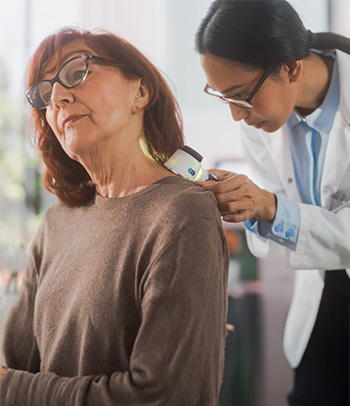 care provider. If you want to learn more about getting recommended screening tests and immunizations, talk with your health care provider. You can work together to create a personal preventive health plan, which may include cancer prevention, mental health and wellness, heart health, and more. Your provider can suggest screenings based on your needs, age, risk factors, and family history. You can also find additional information and resources at VA’s Prevention website.
 - Make your health a priority. Regular checkups and screenings are an important part of any wellness plan, but they are only one piece. Create healthy habits, such as eating a healthy and balanced diet, exercising regularly, getting enough sleep, and quitting smoking. These are all steps you can take to reduce your risk for several chronic conditions, such as heart disease, diabetes, hypertension, and more. VA’s Whole Health program is a great resource to help you create a personalized wellness plan.
- Take advantage of the resources designed to support you. VA has several resources to help Veterans live a healthy and fulfilling life after service. For example, you can access nutrition services, the MOVE! weight management program, mental health services, and more.
Resources
- VA’s National Center for Health Promotion and Disease Prevention has several resources aimed at ensuring Veterans “stay well and well informed,” including videos, newsletters, links to healthy living programs and services, and more. VA also has self-help resources such as a depression self-assessment tool, PTSD apps, and treatment decision aids.
- The U.S. Department of Health and Human Services has a MyHealthfinder tool that allows you to see what screening tests and vaccines you need to stay healthy based on your unique health profile.
Play an active role in your health care. Determine what preventive services are right for you and reach out to your health care team to get started.