
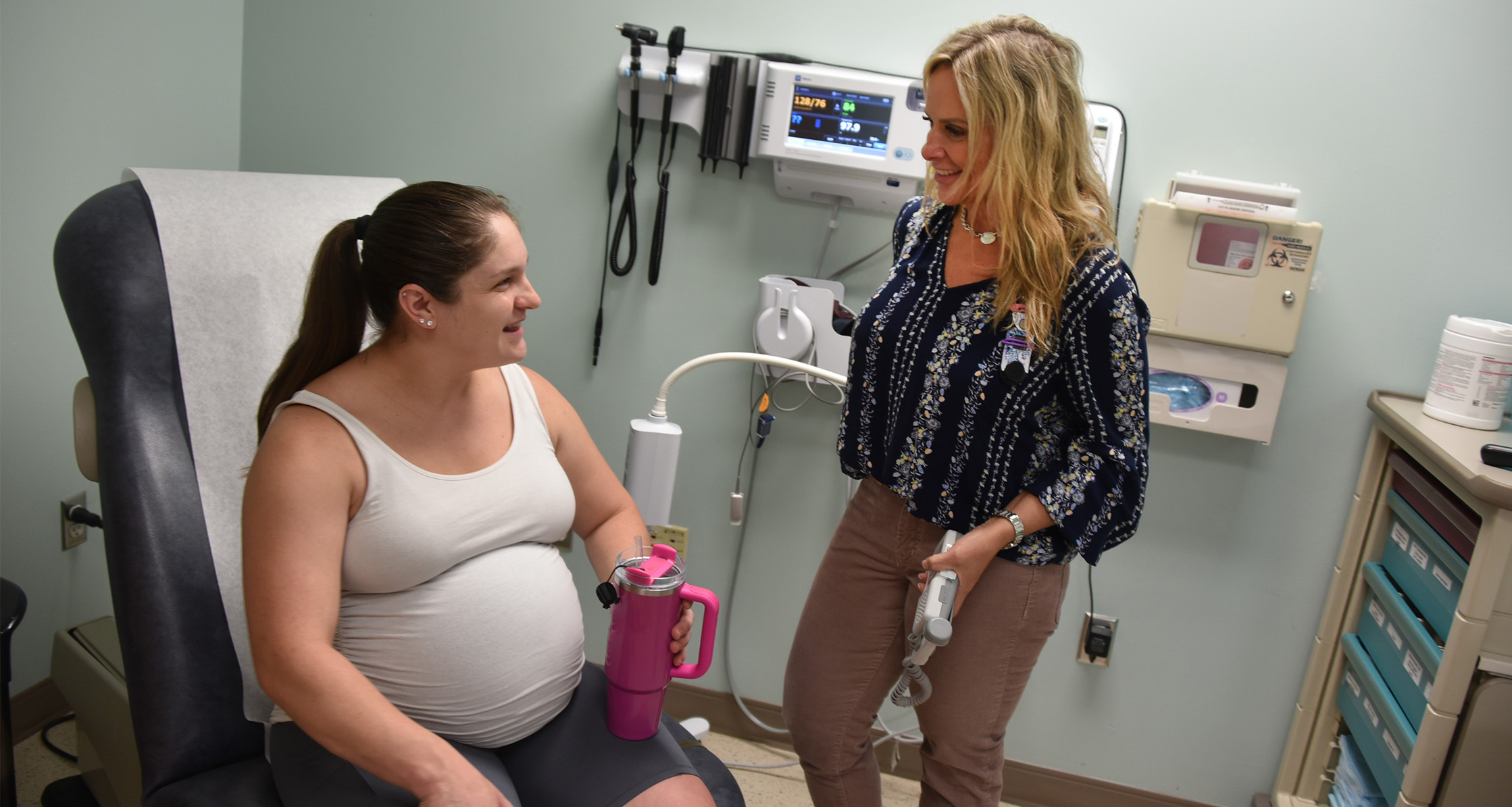
TRICARE understands that maternity care must begin with robust prenatal care and follow you through labor, delivery, and postpartum care and support.
There aren’t many moments as life-changing as finding out you’re pregnant. You’re probably bursting with equal parts excitement and nervousness; you’re full of questions; and you’re ready to start planning your child’s future. Ensuring you have a healthy pregnancy, delivery, and post-partum experience is an important part of all that planning.
Learn more about TRICARE’s health care services and explore additional tips and resources to ensure your pregnancy journey is a safe and healthy one.
TRICARE Coverage
TRICARE understands that maternity care must begin with robust prenatal care and follow you through labor, delivery, and postpartum care and support. Here is a breakdown of some of those important services:
Prenatal Care  – TRICARE prenatal care includes all the care you receive from the time you find out you’re pregnant until you deliver your baby. Regular appointments with your provider should begin ideally before 10 weeks of pregnancy or as soon as you think you’re pregnant. The frequency of visits will be individualized based on your medical and social needs, with typical schedules ranging from 6-14 visits throughout pregnancy. These prenatal visits allow you and your doctor to follow your baby’s development and ask questions along the way.
TRICARE covers all medically necessary prenatal care, including services such as:
- Obstetric visits throughout your pregnancy
- Fetal ultrasounds that estimate gestational age, evaluate fetal growth, confirm cardiac activity, and more
- Management of high-risk or complicated pregnancies, including services such as amniocentesis, fetal stress tests, electronic fetal monitoring, and more
Labor and Delivery – TRICARE covers medically necessary services during your labor and delivery, which include services such as anesthesia, fetal monitoring, your hospitalization, and other support required for a safe delivery. Your TRICARE plan usually determines the type of birthing facility you’ll use (military or civilian hospital, office-based or freestanding facility, etc.). You also have different options for the type of provider who delivers your baby (obstetrician, family practice provider, certified nurse midwife, etc.). You and your provider can make these decisions during your prenatal visits. Federal law requires insurance coverage for a minimum of 48 hours after vaginal delivery and 96 hours after cesarean section, though your actual stay may be shorter or longer depending on your recovery and any complications. Your healthcare team will work with you to determine the appropriate discharge timing.
Postpartum Care – Postpartum care is the care you receive after your baby is born to ensure your body is healing properly. TRICARE covers postpartum care as an ongoing process. Current guidelines recommend initial contact with your provider within three weeks after birth, with ongoing care as needed and a comprehensive postpartum visit no later than 12 weeks after delivery. Women with complications or chronic conditions may require additional visits. TRICARE covers breast pumps and supplies, lactation support services, and breastfeeding counseling at no cost for new mothers. Find questions and answers about breast pumps, breast pump supplies, and breastfeeding counseling.
Newborn Child Care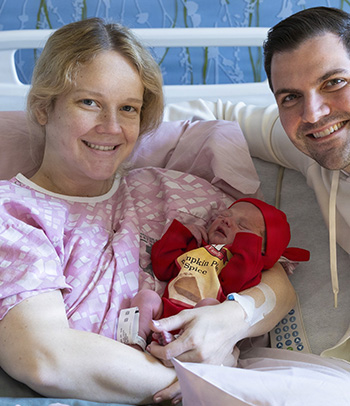 – Your child has separate TRICARE coverage after birth. TRICARE offers well-child care for children from birth through age 5, which includes services such as routine newborn care, vision and hearing screenings, immunizations, developmental and behavioral appraisal, and more. You need to schedule your newborn’s first well-child appointment before you leave the hospital.
You must register your baby in the Defense Enrollment and Eligibility Reporting System (DEERS) within 90 days (120 days if overseas) of birth before they can qualify for coverage. Once your child is registered in DEERS, you can enroll or make enrollment changes online, by phone, by mail, or in person at a TRICARE Service Center (overseas only).
Learn more about what’s covered in your specific TRICARE plan, so that you’re prepared for a safe and healthy pregnancy.
Tips for a Healthy Pregnancy
- Build a support system. Find people you can lean on for support during your pregnancy. They can be friends, other military spouses, neighbors, or family members you can turn to for help when you need it.
- Make a plan. When you’re pregnant, many things are out of your control, but it helps to plan for what you can control. Who will watch your other kids when you go to the hospital? How will you get there? Will your spouse be present? If not, who can be?
- Learn how to
 manage stress. Research shows that chronic or severe stress during pregnancy can affect your health and the health of your baby. Military families may face additional stressors, such as being far away from your loved ones or having a spouse who is deployed or away at training. Prenatal stress has been linked to increased risk for preterm birth, low birth weight, high blood pressure, and gestational diabetes. Talk to your healthcare provider during prenatal visits about evidence-based stress management strategies such as mindfulness-based interventions, cognitive behavioral therapy, or relaxation techniques, which have been shown to reduce maternal stress and improve some pregnancy outcomes. Research supports mindfulness-based stress reduction, cognitive behavioral therapy, yoga, progressive muscle relaxation, and guided imagery for reducing prenatal stress. Programs lasting 4-8 weeks appear most effective. You may also find deep breathing, light yoga, or stretching helpful for relieving tension. You should also prioritize rest, a healthy diet, and movement.
 - Take care of yourself. While it can be difficult to think about yourself when you’re wrapped up in caring for a newborn, finding a moment for yourself is important. Take a quick five-minute walk in the sun, make a cup of your favorite tea, or take a long shower. In addition, pay attention to your mental health. You may feel isolated if you’re in a new area or overwhelmed if your spouse is away, so reach out for support if you need it. TRICARE offers mental health support and services.
- Access helpful resources. As a military family, you have numerous resources ready to help you thrive during pregnancy and beyond. For example, Military OneSource’s New Parent Support Program offers free home visits and parenting classes on important topics such as infant CPR and childproofing your home. Check out the list of resources below.
Resources
- TRICARE offers a list of helpful pregnancy and parenting resources you can use for additional support, including information on healthy eating, breastfeeding, immunization schedules, and more.
- Military OneSource offers
 support, guidance, and assistance to help you through all stages of your parenting journey, including the New Parent Support Program, NewMilParent specialty consultation, a parenting page, and much more.
 - USO Special Delivery is a program that provides baby showers for military spouses and Service members who are expecting or adopting a child or who have recently welcomed a baby. Register to attend a baby shower at a USO center or virtually, where you can partake in baby shower games, connect with others, listen to guest speakers, and win prizes.
- ZERO TO THREE has many resources to support military families with young children under 3 years old, including DVDs and activity books, a parenting podcast, and a free app just for military parents.
From the moment you learn you’re expecting, lean on TRICARE and the other resources listed in this article for the support and care you deserve.