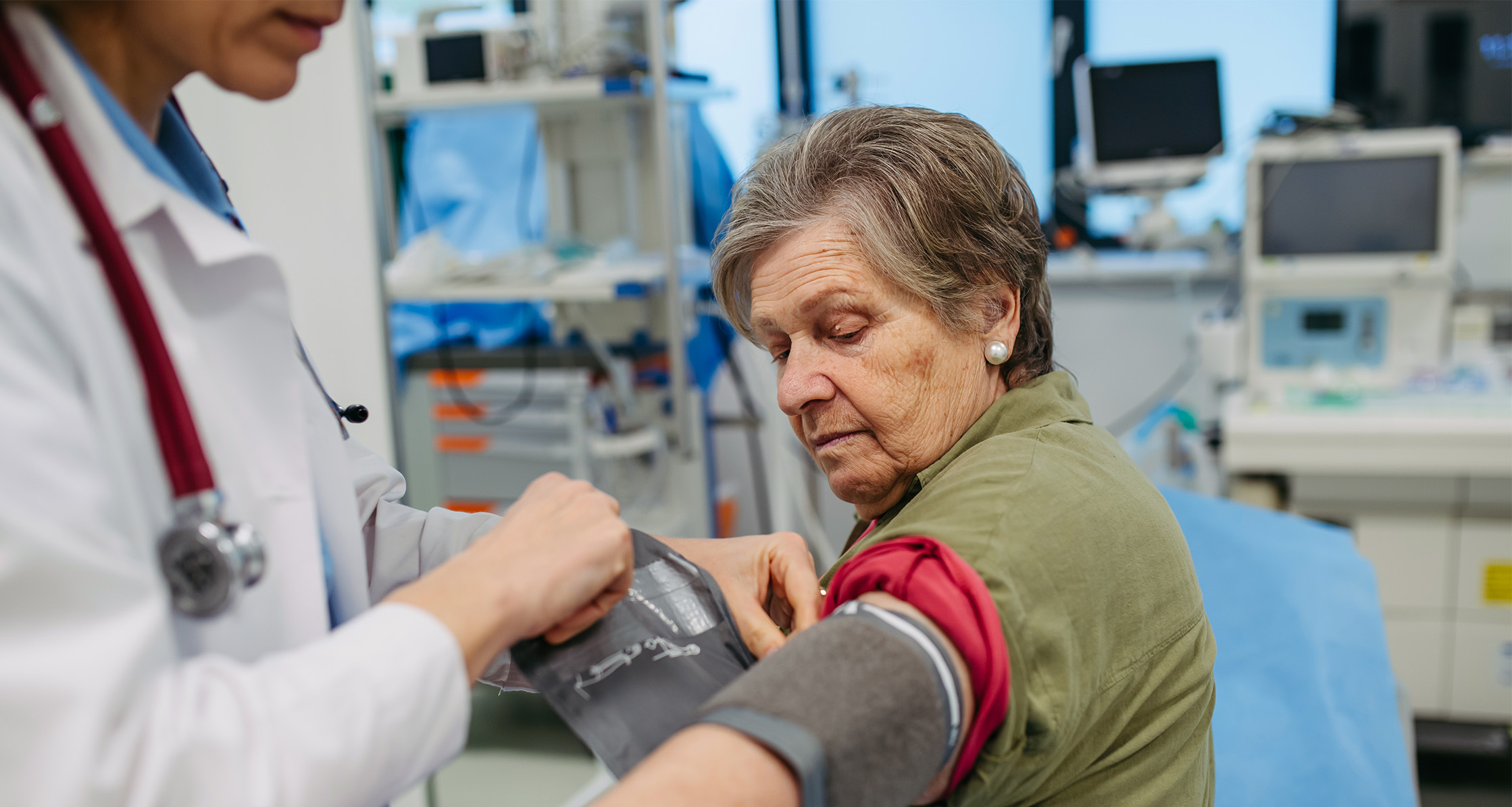
Knowing the symptoms and risk factors connected to heart attacks, as well as the steps you can take to reduce your risk, can keep your heart happy and healthy!
Heart disease is the leading cause of death for women in the United States, and heart attacks are on the rise in younger women ages 30-50 years old, with three out of 10 heart attacks in women now occurring in those younger than 55.
But studies suggest that only half of adult women know that heart disease is their number one killer, and many don’t recognize the subtle symptoms of a heart attack.
Learning about the risk factors and symptoms associated with heart attacks, understanding how to reduce your risk, and connecting to health care resources can ensure you’re in control of your heart health.
What Are the Risk Factors Linked to Heart Attacks in Women?
Both medical conditions and lifestyle choices may affect a person’s risk for heart disease and heart attacks, including:
- High blood pressure
- High low-density lipoprotein cholesterol
- Diabetes
- Stress and depression
- Smoking
- Excess weight
- An unhealthy diet
- Inactivity
- Too much alcohol consumption
- A family history of heart disease
In addition, there are specific factors that can increase a woman’s risk related to reproductive health and pregnancy, including:
- Early first period (before age 11)
- Early menopause (before age 40)
- Polycystic ovary syndrome
- Gestational diabetes
- Preterm delivery
- Delivery of a baby with low birth weight or high birth weight
- Hypertensive disorders of pregnancy, such as preeclampsia and gestational hypertension
What Are the Heart Attack Symptoms in Women?
Many people may think the warning signs of a heart attack are sudden – a burst of severe pain and a quick clutch at your chest before you fall over. But a heart attack may look and feel very different for women.
Women are more likely than men to have heart attacks that don’t show obvious symptoms (sometimes called silent heart attacks), and the symptoms can be subtle and confusing. Because fast action can save your life, it’s critical that women understand the various signs and symptoms of a heart attack, including:
- A dull or heavy chest discomfort or ache
- Pain in the neck, jaw, or throat
- Pain in the upper abdomen or back
- Tiredness that won’t go away or that feels excessive
- Indigestion or heartburn
- Cold sweats
- Fluttering feelings in the chest
- Shortness of breath
- Sudden fatigue
- Dizziness or fainting
- Nausea or vomiting, when combined with other symptoms such as lightheadedness or shortness of breath
Any of these symptoms could be a sign of a heart attack, but research shows that women wait 11 minutes longer than men to be seen by a health care professional from the moment they begin experiencing symptoms to the time they arrive at a hospital. If you’re having heart attack symptoms, call 911 right away.
How Can I Reduce My Risk for Heart Disease and Heart Attacks?
Although some risk factors, like your family history, are beyond your control, there are many things you can do to protect your heart health. It’s estimated that 80% of heart disease, including heart attacks and strokes, can be prevented through lifestyle changes. Check out the tips below to reduce your risk:
- Recognize the importance of heart health. Heart disease is the number one killer of women, and heart attacks can happen even when you’re young and in good shape. Understand the symptoms to watch for, take steps to reduce your risk, and get help quickly if you’re experiencing symptoms.
- Know your heart disease numbers. Work with your health care provider to understand and check your heart disease numbers, including your blood pressure, cholesterol, and blood sugar levels. Ask your provider what your numbers mean, if you’re within a healthy range, and establish a routine to get checked regularly.
- Get moving. Physical activity guidelines
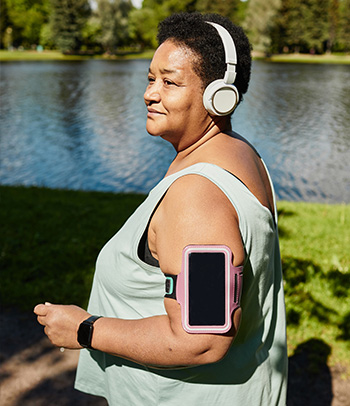 recommend 150 minutes of physical activity each week. That’s 30 minutes of activity five days a week, but any combination of activity, even short bursts of a few minutes, can be beneficial to your heart. Add a brisk walk to your day, do an at-home workout, or complete some active chores. The more you move and the less you sit, the better!
 - Maintain a healthy weight. Being overweight increases your risk for heart disease, high blood pressure, diabetes, and more. Talk to your health care provider about a safe and healthy weight and how to maintain it.
- Eat a heart-healthy diet. When it comes to your heart health, what you eat matters. Choose more fruits, veggies, whole grains, and low-fat sources of protein. Avoid saturated fats and foods that are high in sodium and added sugar. To learn more about heart-healthy eating, as well as some recipes to get started, check out Heart Healthy Tips and Recipes.
- Quit smoking. As soon as you quit smoking, it has positive effects on your health, including a reduced heart rate, improved blood flow to your heart, and a lower risk of heart attack and heart disease. Both TRICARE and the Department of Veterans Affairs (VA) offer cessation resources to help you get started.
- Limit your alcohol consumption. For women, drinking in moderation is no more than one drink per day. However, it’s important to note that some emerging research suggests that even drinking within the recommended limits may increase the overall risk of death from various causes, including certain forms of cardiovascular disease. Make it a Mocktail offers more information about the health benefits of giving up alcohol, as well as some tasty non-alcoholic drink recipes.
- Manage your stress levels. Chronic stress has a negative effect on your heart health so it’s important to find healthy ways to cope. Make sure to get enough rest and find ways to relax and unwind. Adding deep breathing or simple meditation exercises to your day is a great place to start.
Resources
- TRICARE – Your TRICARE plan may include cardiovascular testing, treatment, and more. In addition, TRICARE offers important preventive care, routine care, and mental health services to help you take control of your heart health.
- VA – Women Veterans may have unique factors related to military service that can further increase the risk of heart disease, including post-traumatic stress disorder and depression. VA offers a variety of services to promote your heart health, including diagnosing and treating heart disease as well as lifelong risk reduction. Your VA health care provider will assess your risks and help you get started on a heart health plan.
- The American Heart Association’s Essential 8 – This site offers basic tips to reduce your risk for stroke and other heart conditions.
Knowing the symptoms and risk factors connected to heart attacks, as well as the steps you can take to reduce your risk, can keep your heart happy and healthy!