Fast facts: Opioid Overdose
- Overdoses are the leading injury-related cause of death in the United States.
- Opioids, mainly illegally made fentanyl, are involved in the highest percentage of overdose deaths.
- Ways to prevent opioid overdose are to improve opioid prescribing, reduce exposure to opioids, prevent illegal opioid use and prescription opioid misuse, and treat opioid use disorder.
Source: CDC, Preventing Opioid Overdose | Overdose Prevention | CDC
Drug overdose rates continue to rise in the United States. The military and Veteran communities are at a higher risk of substance use due to many risk factors, including chronic pain, stress, and post-traumatic stress disorder (PTSD).
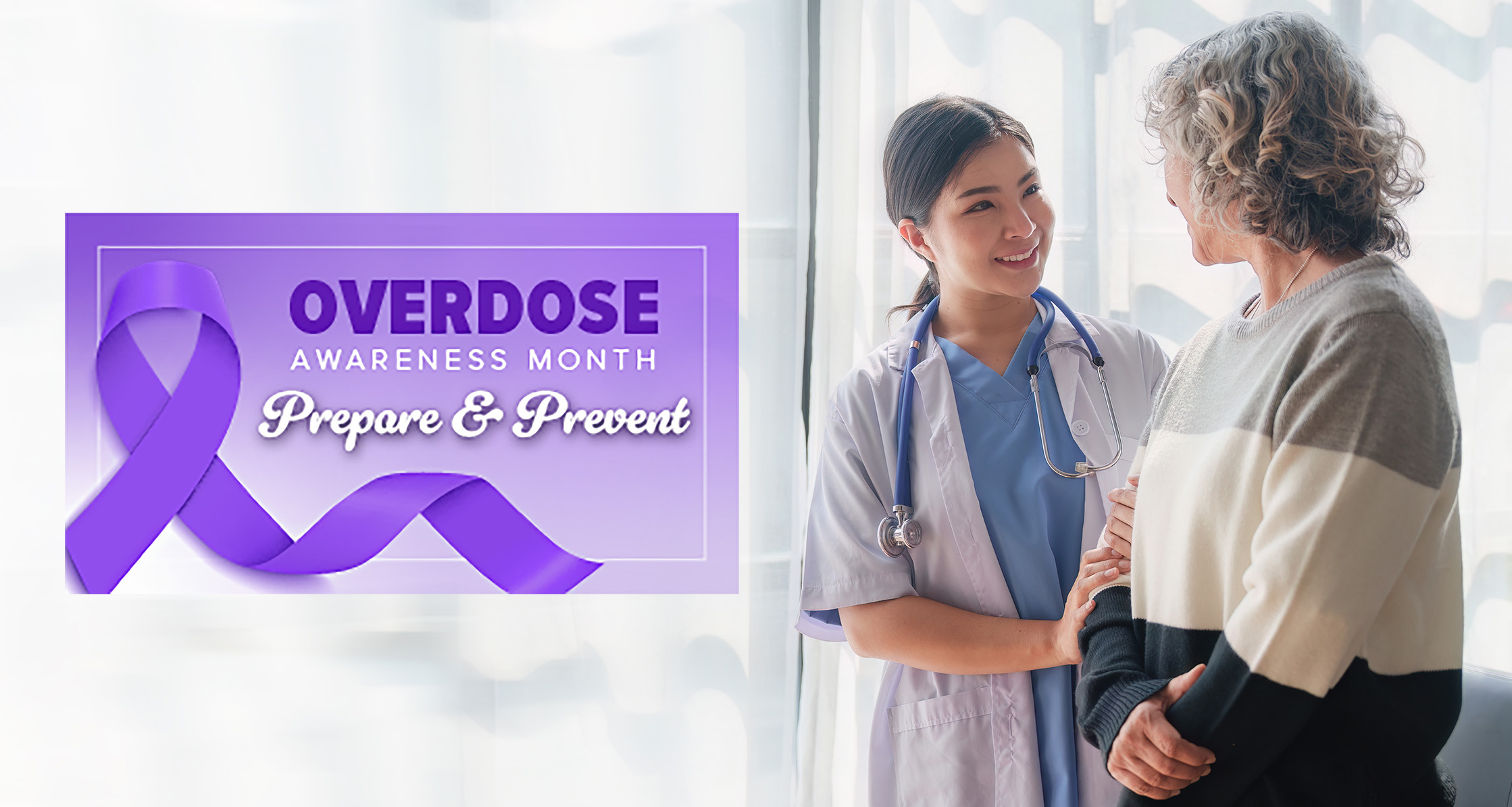
According to the U.S. Centers for Disease Control and Prevention, drug overdoses have increased dramatically in the past two decades. August is National Overdose Awareness Month. Together, we can continue to learn about the signs of overdose and how to support those who are affected.
Leading Causes and Risk Factors
According to TriWest Healthcare Alliance’s Maureen Kudlich, R.N., some of the leading causes of drug overdose among Veterans and active duty military members include:
- Misuse of prescription medications
- Opioids/synthetic opioids, and stimulants
- Polysubstance use, combining prescription medications with illicit drugs and alcohol
Overdoses from synthetic opioids (like fentanyl) and from mixing several drugs are becoming more common. Kudlich, a manager in TriWest’s Disease Management department, says active duty military members and Veterans are at a higher risk due to key risk factors such as:
- Chronic pain: Being over-prescribed pain medication, lack pain relief from pain medication leading to self-medicating.
- Transition stress: Navigating from active duty to back into the civilian world.
- Mental health: Self-medicating for PTSD and other service-related traumas, anxiety, and depression.
- Stress: Increased stress from multiple deployments and combat exposure.
Recognize the Signs
Military members have been greatly impacted by the opioid overdose crisis with drug overdose mortality rates increasing by 53% from 2010-2019. For most people it is hard to recognize the signs of drug overdose. But, doing so could help save a life. Depending on the substance, there are varying overdose signs to look for. For opioid/synthetic opioid overdoses, Kudlich indicates these key signs to recognize:
- Decreased level of consciousness
 or unresponsiveness to arousal
 - Lips or fingertips turning blue or gray
- Constricted/pinpoint pupils
- Decreased, shallow breaths, or lack of breathing
- Decreased heart rate
- Vomiting, choking, or gurgling sounds
- Pale clammy skin
- Discoloration in skin
Take Action
Your response to a suspected overdose can be the difference between life and death. It may be hard to tell for certain if someone is experiencing an overdose. Kudlich says to take the following steps if you suspect someone is overdosing:
- Try to wake the person. Call their name, shake them, and rub your knuckles firmly on the center of their chest (breastbone).
- Call 911 right away.
- Give naloxone (Narcan) if you have it. Spray one dose into one nostril. If there is no change after 2–3 minutes, give another dose. It is safe to keep giving a dose every two to three minutes until help arrives or the person wakes up.
- If the person is not breathing or only gasping, start CPR (chest compressions and rescue breaths if you are trained).
- Stay with the person until help arrives, even if they wake up, because the overdose can come back. If they resume breathing, roll them onto their side with their head supported.
Reduce the Stigma
Many people struggling with substance use disorders don’t seek help due to the stigma surrounding their struggles. Making substance use and overdose awareness an easier conversation is key to bridging the gaps in conversation. Kudlich offers some tips to help reduce the stigma:
- Treat addiction for what it is
 – a disease/condition/disorder: It is not a lack of will power, a habit, a lapse in moral judgement or a character flaw. It is a chronic illness, and a lifelong condition to be managed. Effective medications exist (buprenorphine, methadone, naltrexone). Connecting someone to treatment saves lives.
 - Use people first language: Avoid language that defines a person by one element. Terms like junkie, abuser, addict, drunk, or alcoholic dismiss every other part of a person’s identity.
- Treat people with a substance use disorder with respect and dignity.
- Actively pursue education and understanding related to substance use disorders and contributing risk factors, including understanding genetic factors, environmental factors, adverse personal experiences factors, and mental health factors.
Support and Learn
Together, we can make a difference to help raise awareness for overdose prevention. Check out the following resources to learn more:
- Get the Information You Need to Help Prevent Drug Overdose Deaths
- What to Do If You Think Someone Is Overdosing | Stop Overdose | CDC
- International Overdose Awareness Day (IOAD) Toolkit | Overdose Prevention | CDC
- National Fentanyl Prevention and Awareness Day™ Toolkit | Overdose Prevention | CDC
- As one big family driven by hope we can reduce the risk of overdose – VA News