
Take advantage of the resources and support VA offers to get the care you deserve.
According to the Department of Veterans Affairs (VA), there are 4.7 million Veterans who live in rural areas. For many of them, living in a rural area can make accessing convenient health care a challenge.
Whether it’s transportation challenges, limited local health care, or difficulty connecting to the internet, research shows that rural living can be a factor in poorer physical and mental health. Compared to Veterans living in urban and suburban areas, rural Veterans face greater odds of depression, suicide, and chronic disease – such as diabetes, high blood pressure, and heart conditions.
With VA’s support of virtual tools and resources such as telehealth, smartphone apps, and more, Veterans can get the care they deserve no matter where they live. Check out how VA is working to ensure all Veterans can access convenient, high-quality health care.
Virtual Tools and Resources
- Telehealth services–For Veterans
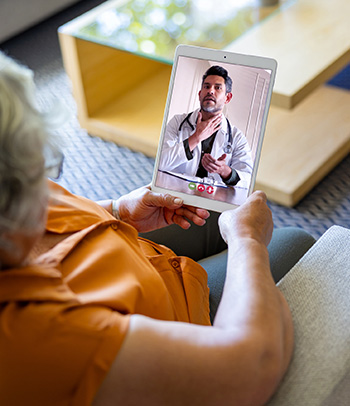 who live far away from specialists and the care they need, telehealth services are an important way to improve access. If you’re enrolled in VA health care, VA’s Video Connect enables meeting with VA health care providers and specialists no matter where you live through live video on any computer, tablet, or mobile device. VA offers details on its telehealth services, including programs such as TelePrimary Care, TeleMental Health, and several TeleSpecialty Care services.
 - Telehealth sites in your community–Even with the rise of telehealth options, some Veterans cannot access the technology they need from their homes. VA offers several ATLAS sites (Accessing Telehealth through Local Area Stations) throughout the nation. These sites are comfortable, private spaces for Veterans to have video appointments with their providers when they live in areas where their home internet may not be reliable or a health care facility may be too far away. VA has teamed up with partners such as the American Legion, Veterans of Foreign Wars (VFW), Walmart, and more to create these sites in numerous communities. See if you have an ATLAS site near you.
- Online patient portal–VA’s My HealtheVet is an online patient portal where Veterans can easily access personal health information, refill VA prescriptions, keep track of appointments, connect securely to chat with a health care team, and more.
- Mobile apps–The VA App Store
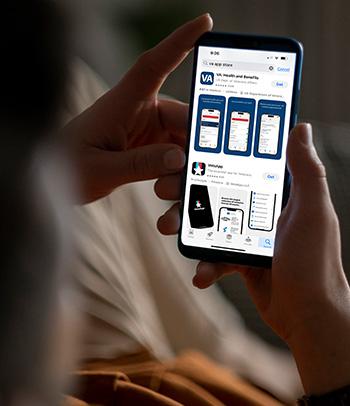 has several apps you can download to help manage your health right from the palm of your hand, including:
- PTSD Coach, an app for managing post-traumatic stress disorder (PTSD) symptoms.
- Stay Quit Coach, an app for helping Veterans stay tobacco-free and cope with urges to use tobacco.
- Insomnia Coach, an app for helping Veterans who suffer from insomnia, and more.
These apps are free and can be downloaded to help manage your health, no matter where you live.
- Veterans Rural Health Resource Centers–Veterans Rural Health Resource Centers are satellite offices of the Office of Rural Health that serve as a resource for health care research, innovation, and dissemination in rural areas. Each office has a specific focus related to the needs of Veterans in rural areas, such as improving care coordination, developing innovative mental health treatment delivery models, addressing specific challenges faced by rural Veterans, and more.
Support and Services for Additional Care Access Challenges
While telehealth tools and resources increase access to convenient care for Veterans living in rural areas, there are additional obstacles that may affect access.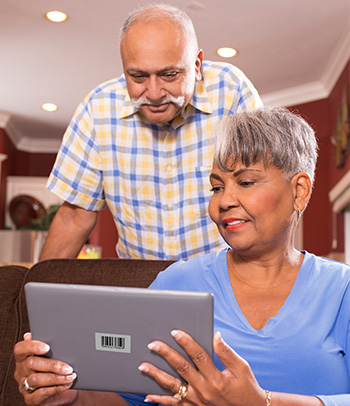
Research from the National Library of Medicine indicates many older people and Veterans have less access to technology than other population groups. Their research found that many Veterans reported having no internet access in their home or the money to purchase the right equipment to use it. In addition, some older Veterans felt they didn’t have the skills needed to use the internet for their health care.
Check out the support and services VA offers to address some of these additional obstacles:
- The Digital Divide Consult–The Digital Divide Consult offers several ways to help Veterans access virtual care. For example, if you don’t own a device to access the internet, VA can lend you a tablet at no cost. In addition, the Digital Divide Consult can help Veterans determine if they’re eligible for programs such as the Federal Communications Commission’s Lifeline program, which subsidizes home broadband and phone service costs.
- Virtual Health Resource Centers–For Veterans who want to incorporate virtual tools into their health care experience but don’t feel confident using technology, Virtual Health Resource Centers can help. These centers provide hands-on support, training, troubleshooting tips, and more. Experts can help you gain digital confidence, get your new device up and running, and figure out what virtual tools are right for you.
Rural living for many means closer proximity to friends and family, a slower pace of life, and beautiful surroundings. It should not mean less access to high-quality health care. Explore and take advantage of the resources and support VA offers to get the care you deserve.