
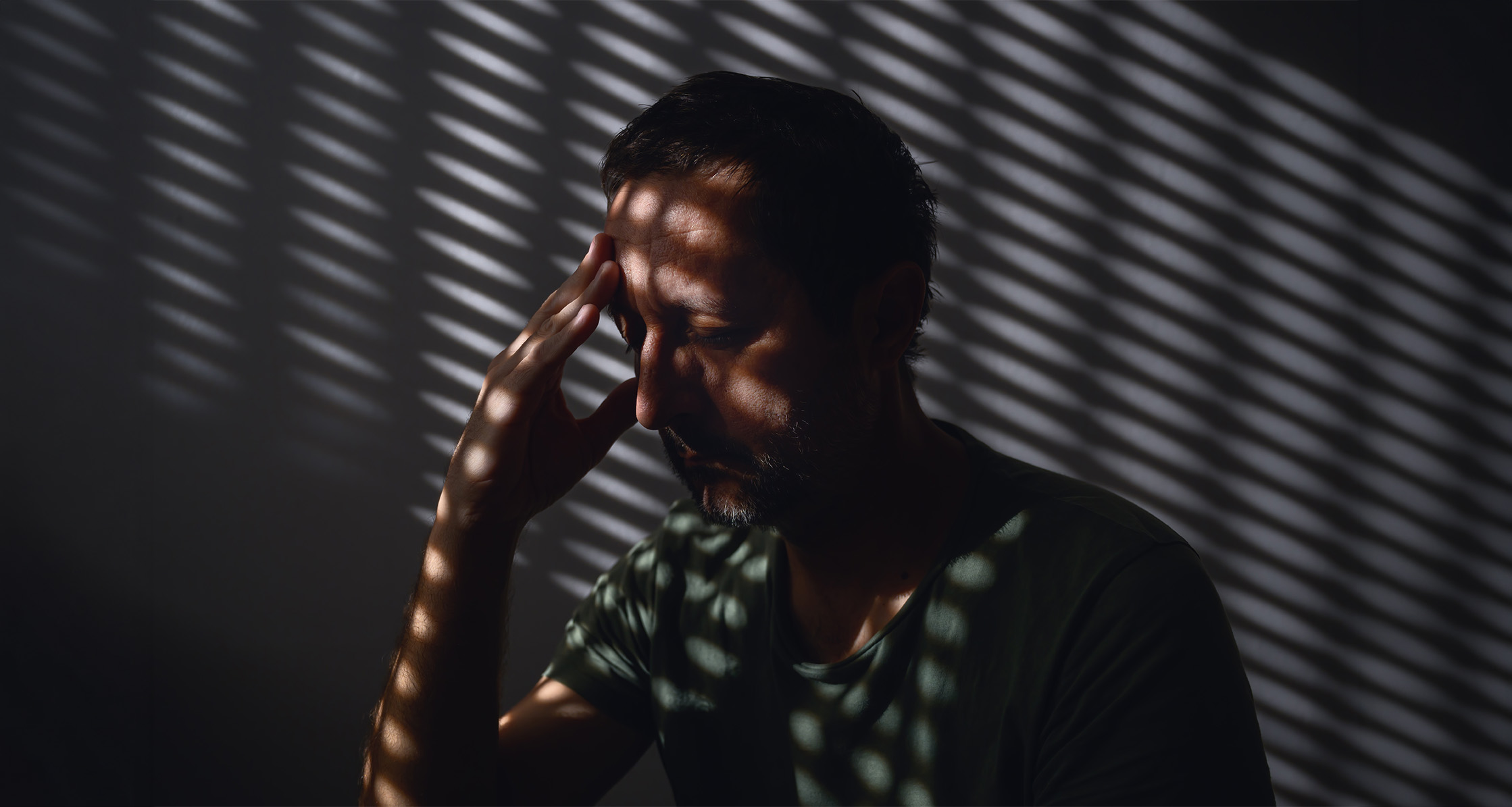
Photophobia, or light sensitivity, is a common symptom of traumatic brain injuries (TBIs) in Veterans and can cause debilitating headaches and compel you to isolate in the dark, making it difficult for you to live a normal life.
You may have experienced the sensation of stepping into a room that feels too bright or going into the sun after being in a darkened space. It can feel disorienting and painful as your eyes adjust. But for Veterans living with light sensitivity, the experience can be much worse.
Photophobia, or light sensitivity, is a common symptom of traumatic brain injuries (TBIs) in Veterans and can cause debilitating headaches and compel you to isolate in the dark, making it difficult for you to live a normal life.
Learn more about photophobia, tips for how to manage it, and the resources available to help you cope.
What Is Photophobia and Its Connection to TBIs?
Photophobia means “fear of light.” However, in medicine, it refers to your eyes’ abnormal sensitivity or intolerance to light that causes pain. Research shows that certain types of light can be problematic, including:
- Bright, intense light
- Blue light
- Fluorescent lighting
- Glare and other repetitive light patterns
There are several conditions associated with photophobia, including ocular issues, neurological causes, certain medications, and TBIs.
TBIs occur when there’s physical trauma to the brain. The trauma can be from a typical activity like playing contact sports, being involved in a car accident, or falling and striking your head. Military members and Veterans are also at risk of brain injury from explosions experienced during service.
The effects of TBI can last long after the event, and may include symptoms such as headaches, forgetfulness, a quick temper, and photophobia. According to VA News, in soldiers returning from Iraq or Afghanistan, 77% complained of light sensitivity associated with blast-related TBI, and it is the most common reported visual complication experienced by post-war Veterans.
Post-TBI light sensitivity often improves within the first three months but can persist for a year or longer in some Veterans. Symptoms can last for weeks or months after the initial injury and can have a significant effect on your daily life. When your symptoms are left untreated, they can lead to other problems, such as social isolation and withdrawal, anger and mood issues, PTSD, anxiety, sleep disturbance, unhealthy substance use, or an inability to participate in activities or perform well at work.
In this video from VA’s Make the Connection, you can see the effect of photophobia firsthand. Mike, a former Marine who was wounded in Iraq, describes how angry he was and how much time he spent isolated in dark rooms before he was diagnosed with a TBI and began treatment.
What Steps Can I Take to Manage or Treat Photophobia?
- Seek support. You don’t have to manage light sensitivity on your own. The most important action for Veterans to take is to see a doctor or specialist to get a proper diagnosis of any underlying condition, whether it is a TBI, migraine, or something else. This can help identify and tailor specific strategies for addressing the conditions.
- Minimize triggers. While no medication specifically targets light sensitivity, treating underlying conditions such as migraine or dry eye — which commonly co-occur with TBI — can significantly reduce photophobia symptoms. Talk to your provider about whether medications for these conditions may help.
- Make adjustments to the lights you’re exposed to. Use the settings on your TVs, computers, and phone screens to make them less bright. Ask for natural lighting options at work (to avoid fluorescent lights) and use dimmers at home to adjust the brightness of your indoor lights.
- Protect your eyes outside. Wear a hat and polarized sunglasses on bright sunny days.
- Keep your eyes hydrated.
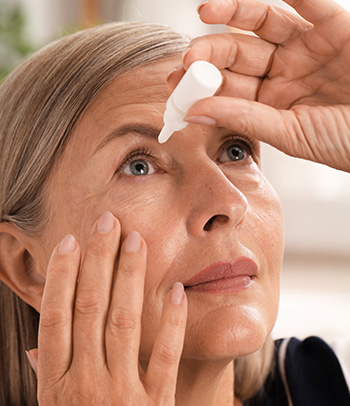 Dry eye can worsen light sensitivity, so talk to your provider about the best way to keep your eyes moisturized safely.
 - Practice relaxation exercises. When symptoms such as photophobia or headaches flare up, it can help to have exercises to help you relax. You can try things such as deep breathing or meditation for a healthy way to reduce stress. The Department of Veterans Affairs (VA) #LiveWholeHealth has several exercises you can try.
- Ask your health care provider about special photophobia glasses. These glasses are pre-tinted to filter out the most painful wavelengths of light common in fluorescent lighting, sunlight, and computer and device screens. These glasses are often covered through VA benefits for low-vision devices or sensory aids. Some studies suggest these glasses can improve light tolerance, though the evidence is still evolving.
What Resources Are Available?
- VA understands that photophobia is a common symptom of service-related conditions like TBI. VA offers diagnosis, treatment, and potential disability benefits for the underlying causes, and treatment may include mental health care, pain management, specialized eye care, and more. Learn more about VA’s evidence-based treatment for TBIs.
- Make the Connection is a website full of Veterans’ stories just like yours. Hear from other Veterans who are living with TBI symptoms like photophobia and learn what steps they took to manage and treat them. Listen to David’s story – from his debilitating headaches from fluorescent lights to his evaluation of TBI and his successful treatment through VA.
Veterans experiencing photophobia shouldn’t have to isolate themselves in dark rooms to avoid painful light. Get the diagnosis and treatment you deserve.