

By understanding more about the symptoms of TB and how it spreads, as well as following advice for TB testing and treatment, you can keep yourself and others healthy.
Tuberculosis (TB) is an airborne bacterial infection that infects millions of people around the world each year. While it’s most common in low and middle-income countries, tuberculosis can occur anywhere. The good news is that tuberculosis is preventable and treatable.
Learn more about tuberculosis and its symptoms, how it spreads, and what steps you can take to prevent an infection.
What Is Tuberculosis?
TB is a bacterial infection that primarily affects the lungs, although it can affect other organs and tissues such as the kidneys, brain, spine, and skin.
There are two types of TB – inactive and active.
- Inactive (or “latent”) TB infections occur when the TB bacteria live in your body but don’t make you sick. When you have inactive TB, you do not have symptoms and are not contagious. However, people with inactive TB can become sick with active TB if their immune system becomes weak for another reason, such as diabetes, cancer, or HIV. People with inactive TB need to take medicine to prevent getting sick with active TB disease in the future. Treatment for inactive TB can take between three and nine months.
- Active TB disease occurs when you get sick from the TB bacteria and need to take steps to prevent spreading the bacteria to others. Active TB disease can almost always be treated with antibiotics, but if it’s not treated properly, it can be fatal.
How Does TB Spread?
TB spreads from person to person through the air. Bacteria are released into the air when someone with TB coughs, speaks, or sings, for example. The bacteria can stay in the air for several hours and are more likely to spread indoors or in areas with poor air circulation.
When you have active TB, you’re likely to spread it to people you spend time with every day. You’re at higher risk of being exposed to TB bacteria if you frequently travel to countries where TB is common, including some countries in Asia, Africa, and Latin America. In addition, TB may spread more easily in large group settings like shelters, hospitals, prisons, or nursing homes.
What Are the Symptoms of TB?
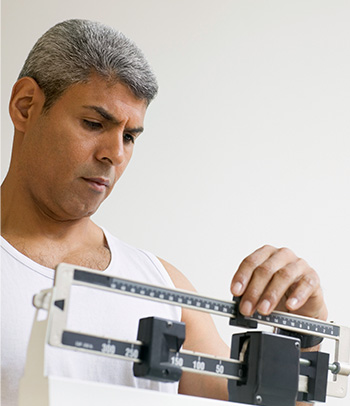 People with an inactive TB infection do not have symptoms. With active TB disease, your symptoms will depend on where the TB is growing in your body. Most commonly, active TB in the lungs may cause symptoms including:
- A cough that lasts two weeks or longer.
- Fever.
- Weight loss.
- Chills or night sweats.
- A cough that brings up blood or phlegm.
- Chest pain.
- Loss of appetite.
- Weakness or fatigue.
If you have any symptoms you’re concerned about or believe you may have been exposed to someone with active TB disease, contact your health care provider. Your provider can test for TB in your body through a TB skin or blood test.
Who Is at Risk for Developing TB?
Anyone can get TB, but there are two categories of factors that put people at higher risk: a higher risk of being exposed to TB bacteria and a higher risk of developing active TB once exposed to TB. You are at a higher risk of being exposed to TB if you
- Live or work in a residential setting such as a shelter, corrections facility, or nursing home.
- Travel to or immigrate from a country with high rates of TB infection.
You may have an increased risk of developing active TB disease after getting infected if you:
- Have a weakened immune system. This includes people who
- Have HIV.
- Have diabetes, cancer, chronic kidney disease, or another condition that weakens the immune system.
- Take medications that weaken the immune system, such as medicines taken after an organ transplant or steroids.
- Have alcohol use disorder, use tobacco heavily, or inject illegal drugs.
- Were not treated correctly for TB in the past.
- Are less than or equal to age 5 years or are an older adult.
What Steps Can I Take to Prevent or Treat TB?
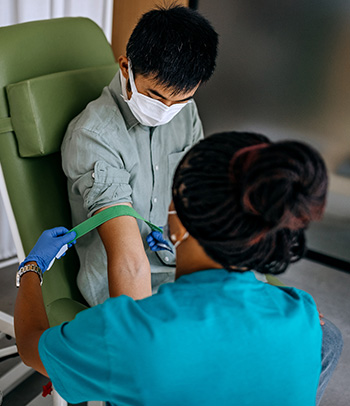 You can follow these steps to prevent TB infection and spread:
- Seek medical attention if you have TB-like symptoms. A prolonged cough, night sweats, fever, or unexplained weight loss may be signs of a TB infection. See your health care provider and start treatment early to help stop the spread of disease and improve your chances of recovery.
- Get tested for TB if you are at increased risk. For example, if you’ve traveled recently to a country where TB infection rates are high, if you have HIV, or if you think you’ve been in contact with someone who has TB, it’s important to get tested.
- Practice good hygiene. If you have active TB, your provider will advise you on how to prevent spreading TB to others. This may include isolation, wearing N95 masks, improving the ventilation in your space, or other strategies.
- Follow your treatment plan. Treatment is recommended for both inactive TB infection and active TB disease. The treatment for both is antibiotics. To be effective, medications need to be taken as directed. Stopping treatment too soon can prompt TB bacteria to become resistant to the drugs and make it harder to treat.
By understanding more about the symptoms of TB and how it spreads, as well as following advice for TB testing and treatment, you can keep yourself healthy and help prevent the spread of TB.