Did you know TriWest has a team of social workers who support our nation’s military community? Discover how they help us fulfill our mission to serve.
Each March, National Social Work Month offers an opportunity to celebrate the tremendous impact social workers have on the people they care for. Social workers serve in many capacities: on the front lines of child welfare, in hospitals and community clinics, in schools, crisis centers, military installations, and policy offices. At TriWest Healthcare Alliance (TriWest), our social workers serve in leadership roles, counsel the military community, coordinate care, advocate for resources, respond to crises, and shape healthcare systems.
To celebrate the contributions of social workers everywhere, we sat down and talked with a few of our own to learn more about the critical work they do.
A Whole-Person Approach to Care
Carren Ziegenfuss, a licensed clinical social worker and supervisor at TriWest, oversees a group of mental health social workers who provide education, resources, and care coordination for TRICARE beneficiaries diagnosed with anxiety, depression, and PTSD.
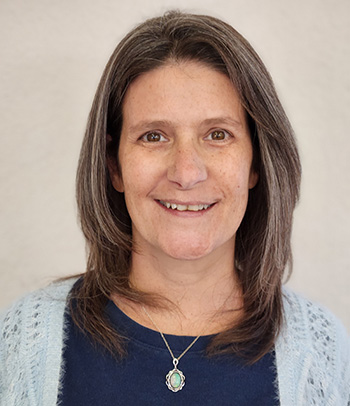 She shared, “All social workers are trained to address the ‘Person in Environment,’ which is a holistic approach in social work that emphasizes how individuals are impacted by their environments. We take a whole person approach by assessing and responding to a patient’s physical, mental, psychosocial, and Social Determinants of Health needs.”
At TriWest, social workers have a master’s degree in social work and are licensed. Many are also Veterans or have family members who have served in the military. Ziegenfuss said, “Between their education and experiences or connections with the military, they are very knowledgeable about the uniqueness of the military culture.”
TriWest social workers are highly skilled with technical and broad expertise and they also uphold a very strict Code of Ethics. These core principles lay a foundation for social workers to provide the best care for our beneficiaries.
“Our social workers provide a safe space for beneficiaries to work through the most vulnerable aspects of their lives. They meet beneficiaries to help guide them toward meeting their goals,” Ziegenfuss said. “They collaborate with resources, such as our certified health coaches, and partner with providers to ensure the best care possible for our nation’s heroes.”
Ziegenfuss is proud to lead such a skilled and empathetic team that goes above and beyond the call of duty every day for those we’re privileged to serve.
A Whatever It Takes!® Mindset
Dr. Joey Gardner, a supervisor at TriWest who manages a team of social workers, provides his team with the tools, guidance, and confidence they need to fulfill their job.
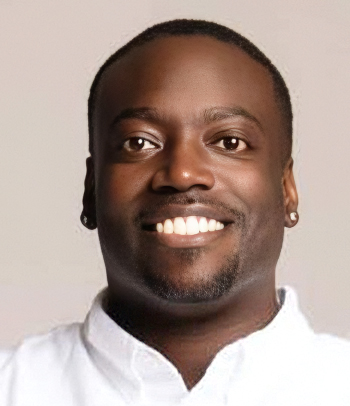 “I witness our social workers embody our motto, Whatever It Takes!®, every day,” Dr. Gardner shared. “It’s a manager who stays on a call longer than required because they hear the worry in someone’s voice. It’s the individual who follows up on a Friday afternoon because they know the weekend could mean a gap in care. I see them dig deeper because they know that person is depending on them to provide a high level of intensive care. What I have learned supervising is that Whatever It Takes!® is a mindset that our team brings to the table every day.”
Social workers across TriWest handle sensitive, often life-altering information every day. They build relationships with the beneficiaries, providers, partners, clinical reviewers, and each other to meet our mission.
“Whether it’s a patient who calls upset, a family member who doesn’t understand a decision, or a provider who’s frustrated, our social workers lead with compassion first,” Dr. Gardner said.
It’s quite common for social workers to be the last line of defense between someone and a system that feels overwhelming. Dr. Gardner believes that our social workers bring their whole selves to work in service of people who’ve given everything protecting our country—and that is something worth celebrating.
Thank You TriWest Social Workers!
As the vice president of integrated health strategies at TriWest, Keita Franklin has witnessed social workers play a vital role in the evolution of health care.
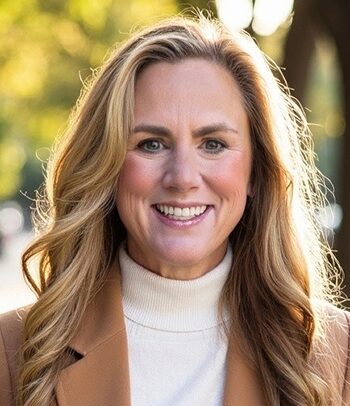 “In today’s health care system, someone’s well-being is shaped by primary care, mental and behavioral health, social drivers of health, relationships, purpose, community connection, and timely response during moments of risk,” she said.
Integration is a social work skill that aligns the health care elements into a functioning system. From its earliest days, the profession has included both micro and macro practice — supporting individuals while designing community programs, influencing policy, and strengthening institutional systems.
Franklin shared, “Social workers are uniquely prepared for this work. They shape workflows that reflect real-world barriers such as transportation, housing instability, and family strain. At TriWest, they ensure that high-risk individuals identified in one setting remain connected across the continuum. They strengthen partnerships between federal systems and community providers and bring clinical insight and social context into environments increasingly shaped by digital tools and performance metrics.”
During Social Work Month, Franklin encourages everyone to pause and reflect on the important role of social workers and the integration they bring to the health care system.
She continued, “Social workers have strengthened the connection between people and institutions for generations. At TriWest, their presence in design and decision-making will forever strengthen outcomes for service members and their families.”
To social workers at TriWest and across our nation, thank you for the important work you do in changing lives and improving our nation’s health care system.