
Veterans, Service members, and their families have access to a wide range of resources that can help make the most of their summer.
When the summer months roll around, many people love to get outside to enjoy the warm weather, long days, and fun in the sun. Activities like swimming at the pool, heading to the beach, or exploring a hiking trail are often at the top of the to-do list.
For some people, filling your days with summer fun feels effortless, but for others, such as a child with sensory issues, an adult with vision trouble, or an injured Service member or Veteran, it may take some thoughtful consideration and planning to enjoy it.
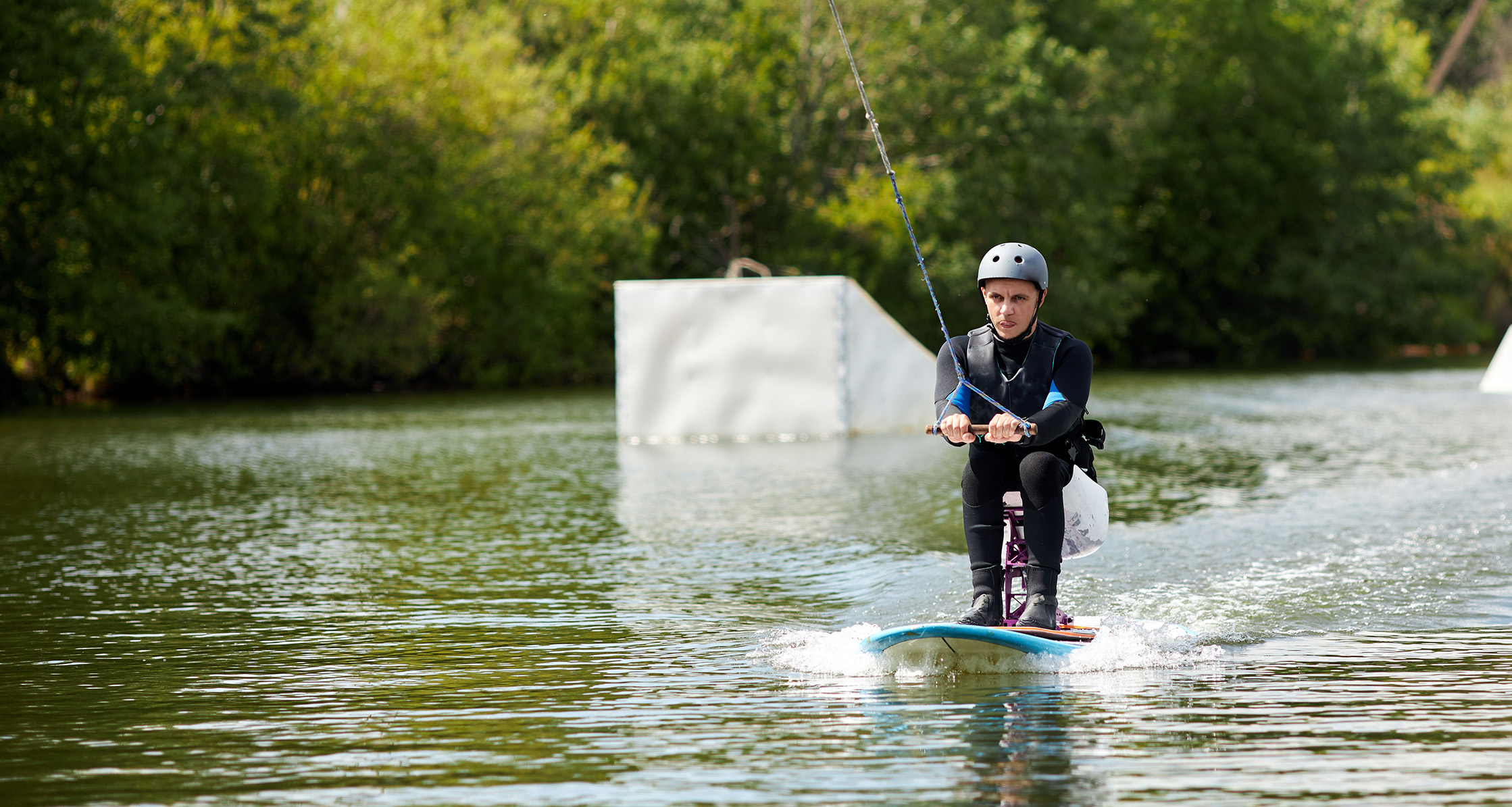
The good news is that summer activities can be adapted and designed to meet a wide variety of abilities. From sensory-friendly beach trips to adaptive water sports, get tips for accessible ways to enjoy the season and learn about the resources available to support you.
Tips for Summer Fun for Everyone
Before starting a new sport or physical activity, check with a healthcare provider — especially if you have a recent injury, ongoing medical condition, or physical limitation. They can help you find activities that are safe and right for you.
- Explore adaptive sports
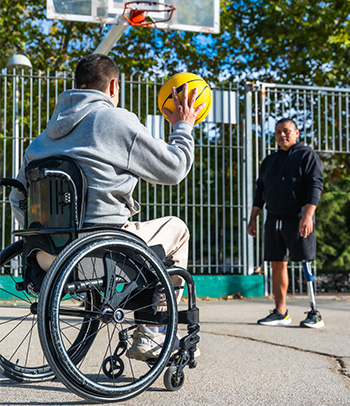 options. Veterans, Service members, and their families can explore several different adaptive sports, including kayaking, hand-cycling, surfing, golf, and air-rifle shooting, where the use of modified equipment, like recumbent bikes, sit-skis, wheelchair mounted paddle boards, and more, can make it easier to access and enjoy the fun and competition of sports.
 - Try adaptive water activities. In addition to adaptive sports like paddleboarding, search for accessible pools to visit. Many pools have ramps and lifts, for example, to make it easier for people with disabilities to enjoy a day of water fun. There are also beaches with improved access points or beach wheelchairs to help people move more easily through the sand to the water. In addition, you can often rent equipment like two-person kayaks that make it safer for people with low vision or deafness to experience the open water. Always use properly fitted life jackets during water activities, and make sure a trained buddy or supervisor is nearby, especially for people with physical or cognitive disabilities.
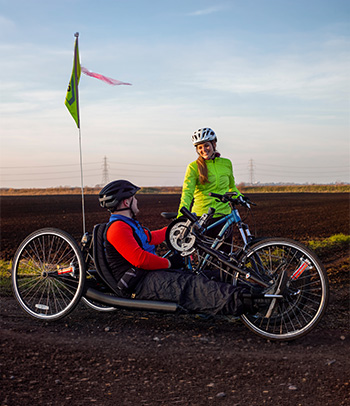
- Find accessible hiking and biking trails. Many state and local parks now offer accessible trails to explore. For example, you can search out trails that are wide, well-marked, and free of barriers. You can also rent adaptive equipment such as handcycles or adaptive mountain bikes. Some trails have markers that are written in bright colors, contrasts, or in braille. If you or a family member has sensory concerns, many trails are designed with sensory issues in mind, including trails with predictable, well-marked paths, rest zones or tucked away spots to take a break, sound gardens or other tactile experiences.
- Enjoy sensory-friendly
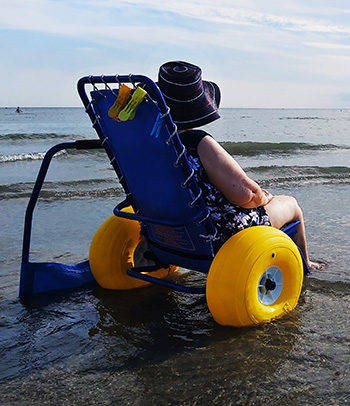 beach trips. The beach can be challenging for people who have sensory issues or who may be sensory-avoidant, but it can be done. Try getting to the beach early or late when it’s not so crowded. Plan ahead and set up a sand-free and wind-free retreat like a tent or shelter, bring familiar comfort items, including headphones, sunglasses, and shoes, to reduce sensory input. Some beaches offer quiet zones and multiple access points to help you avoid sand or crowds if necessary. Research shows that spending time outdoors may also help reduce stress and symptoms of PTSD, making these activities good for both body and mind.
 - Create summer fun at home. Summer fun can happen anywhere. Try water play with sprinklers, or wheelchair-friendly obstacle courses in the driveway. Plan cookouts with small groups of people, or create homemade sensory bins to explore. Create a garden with raised beds that are easy to reach and search for tools that make gardening easier to enjoy. If your loved one is living with PTSD, at-home activities can be helpful because you can adjust the number of people, noise levels, and other parts of the setting. For ongoing support, talk to a healthcare provider about evidence-based treatments for PTSD.
- Do your research.
 Many places, like amusement parks or trampoline parks, for example, offer early morning sensory-friendly times, or times when they’re less crowded or easier to navigate for people with disabilities. Call your local installation to see what adaptive equipment they have available for you to rent, and check out the resources below to help you plan your summer of fun.
Resources
Veterans, Service members, and their families have access to a wide range of resources that can help make the most of their summer.
- The Defense Health Agency’s Warrior Care Recovery Coordination Program oversees the Military Adaptive Sports Program, which provides reconditioning activities and competitive athletic opportunities to all wounded, ill and injured Service members.
- Morale, Welfare, and Recreation programs offer adaptive recreation programs designed to ensure people with a wide range of physical or cognitive abilities can participate in meaningful activities. For more information, check out your installation’s MWR program. Your local MWR can assist you with on-base adaptive equipment, inclusive recreation trips, and accessible gear rentals.
- The Department of Veterans Affairs offers Adaptive Sports and Arts, which provides Veterans with opportunities for health and healing through adaptive sports and therapeutic art programs. Events include the National Veterans Summer Sports Clinic, National Disabled Veterans Golf Clinic, National Veterans Creative Arts Festival, and more.
- The National Park Service is committed to making facilities and services accessible for visitors with disabilities. Each park has its own accessibility section where details can be found about planning a trip. You can contact each park to inquire about reasonable accommodations, such as getting a sign language interpreter, reserving accessible campsites, identifying accessible transportation options, and more.
- Sites like AllTrails and TrailLink allow you to look up trails near you with photos and reviews to help you determine each trail’s accessibility.
- Inclusion Matters offers an inclusive playground directory with locations around the world.
- Local parent groups and your local Parks and Recreation Department are great places to inquire about additional ideas for adaptive summer fun.
Use these tips and resources to make this season special for every member of your family.