
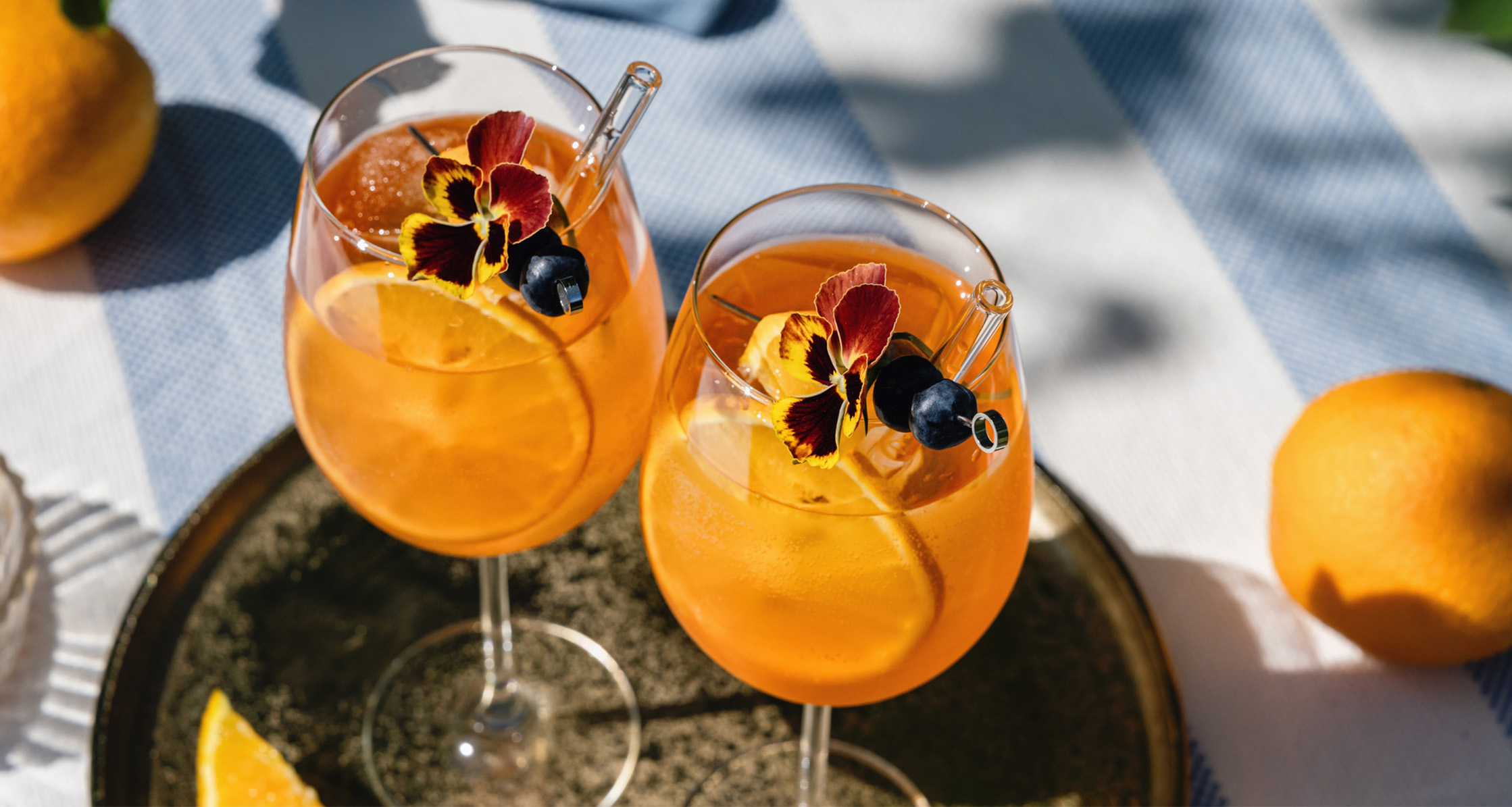
Whether it’s a month-long pledge or a lifelong commitment, going alcohol-free or drinking less is loaded with health benefits!
With the holiday season upon us, social gatherings increase, and so do the opportunities to consume alcohol. But in recent years, more people are turning to alcohol-free drinks or “mocktails” for health and wellness reasons.
Reducing or eliminating alcohol intake is beneficial for everyone. Socializing and celebrating can still be enjoyable with alcohol-free options, and these choices can support overall health.
Learn more about the health effects of alcohol, the benefits of giving it up, as well as some tips and recipes to help you get started.
How Does Alcohol Affect Your Health?
Drinking alcohol affects your physical and mental health in several ways, and the more you drink, the greater the effect. The current Dietary Guidelines for Americans recommends that no one should start consuming alcohol, but for those who do, alcohol should be consumed in moderation, meaning one drink per day or less for females and two drinks per day or less for males.
The health effects of alcohol include:
- Increased cancer risk – Alcohol is linked to at least seven types of cancer, including colorectal cancer and breast cancer. The risk of cancer increases substantially the more alcohol is consumed; however, even light alcohol consumption can increase your risk.
- Increased risk for cardiovascular disease – According to the American Heart Association, as you age, even moderate drinking can increase your blood pressure and may lead to stroke, heart failure, and other cardiovascular conditions.
- Poor sleep – Even though drinking may initially make you drowsy, drinking alcohol disrupts sleep quality and duration.
- Liver damage – Your liver can only process small amounts of alcohol. The rest of the alcohol can harm your liver and other organs.
- Weakened immune system – Drinking alcohol weakens your immune system, making you more vulnerable to infections.
- Increased risk for mental health conditions – Alcohol is linked to higher rates of mental health conditions, like depression and anxiety.
- Memory problems – Chronic heavy drinking may affect memory, decision-making, impulse control, attention, and other cognitive functions.
What Are the Benefits of Reducing or Stopping Alcohol Use?
 Depending on how much you drink, your body can reap several benefits when you give up drinking or choose to drink less. Even a break from drinking for a short period of time can provide some health benefits. These benefits may include:
- Increased energy
- Improved liver function
- Improved mental clarity, like better judgment and decision-making
- Financial savings (drinking alcohol can be expensive)
- Improved mood and mood stability
- Better skin health
- Weight loss (alcohol and alcoholic drinks can contain a lot of sugar and add additional calories to your diet)
- Lower risk for some chronic health conditions
How Do I Begin?
If you’d like to try going alcohol-free but aren’t sure how to get started, consider these tips:
- Assess your drinking habits. Ask yourself – How often am I drinking? Why am I drinking? How do I feel before or after a drink? Knowing more about when and why you drink can help you make necessary changes.
- Make a plan. For some, giving up alcohol may not require much thought, but if it’s become a part of your daily life, you may need a plan. Identify triggers and develop alternatives, like new habits, routines, or social activities. For example, if certain places, people, or activities tempt you to drink, figure out ways to work around them. If you have a drink every night after dinner, can you plan a short walk instead? If you’re used to meeting friends for happy hour, can you suggest morning coffee instead?
- Pay attention to how you feel. You may notice changes in your skin, weight, sleep, mood, or energy levels. Take note and use these changes as motivation to continue.
- Address social pressure. It can be hard to deal with friends or family who don’t understand why you would want to stop drinking, so prepare responses for questions about not drinking. Supportive friends and family should respect the decision.
- Enjoy alcohol-free options. If you’re out with friends and want to have a drink, many bars and restaurants already have mocktails on the menu, and if not, they may still offer to make one. Think about the flavors you enjoy and ask for something delicious and alcohol-free.
What Recipes Can I Try?
- The Department of Veterans Affairs (VA) Healthy Teaching Kitchen page features delicious alternatives to alcoholic drinks, like this blueberry kombucha spritzer.
- VA news shares some simple mocktail recipes as well, including a virgin mojito with fresh mint, lime, and sparkling water; a cucumber cooler with slices of cucumber, a touch of honey, and sparkling water; and a non-alcoholic sangria with fruit juices, fruit slices, and sparkling water.
- The World Cancer Research Fund offers several fun mocktail recipes, too, like alcohol-free gin and tonics and a berry sparkle, a healthy alternative to prosecco.
Resources
Some Service members, Veterans, and their families may find that they need more support as they try to drink less or give up drinking.
- TRICARE covers several services related to substance use and substance use disorder treatment, including inpatient and outpatient programs, management of withdrawal symptoms, mental health support, and more. Review your specific plan for what services are covered.
- VA offers a range of services related to alcohol use and misuse, from outpatient treatment to inpatient residential programs. In addition, VA’s online Alcohol and Drug Education course has more information on substance use and treatment.
- The Centers for Disease Control and Prevention (CDC) has a lot of information, including an interactive tool to help you check your alcohol use. Get personalized feedback about your alcohol use, tips to help overcome challenges, and a personalized plan to drink less.
- Talk with your primary care doctor about what resources are best for you as you seek to reduce or stop drinking.
Whether it’s a month-long pledge or a lifelong commitment, going alcohol-free or drinking less is loaded with health benefits!