
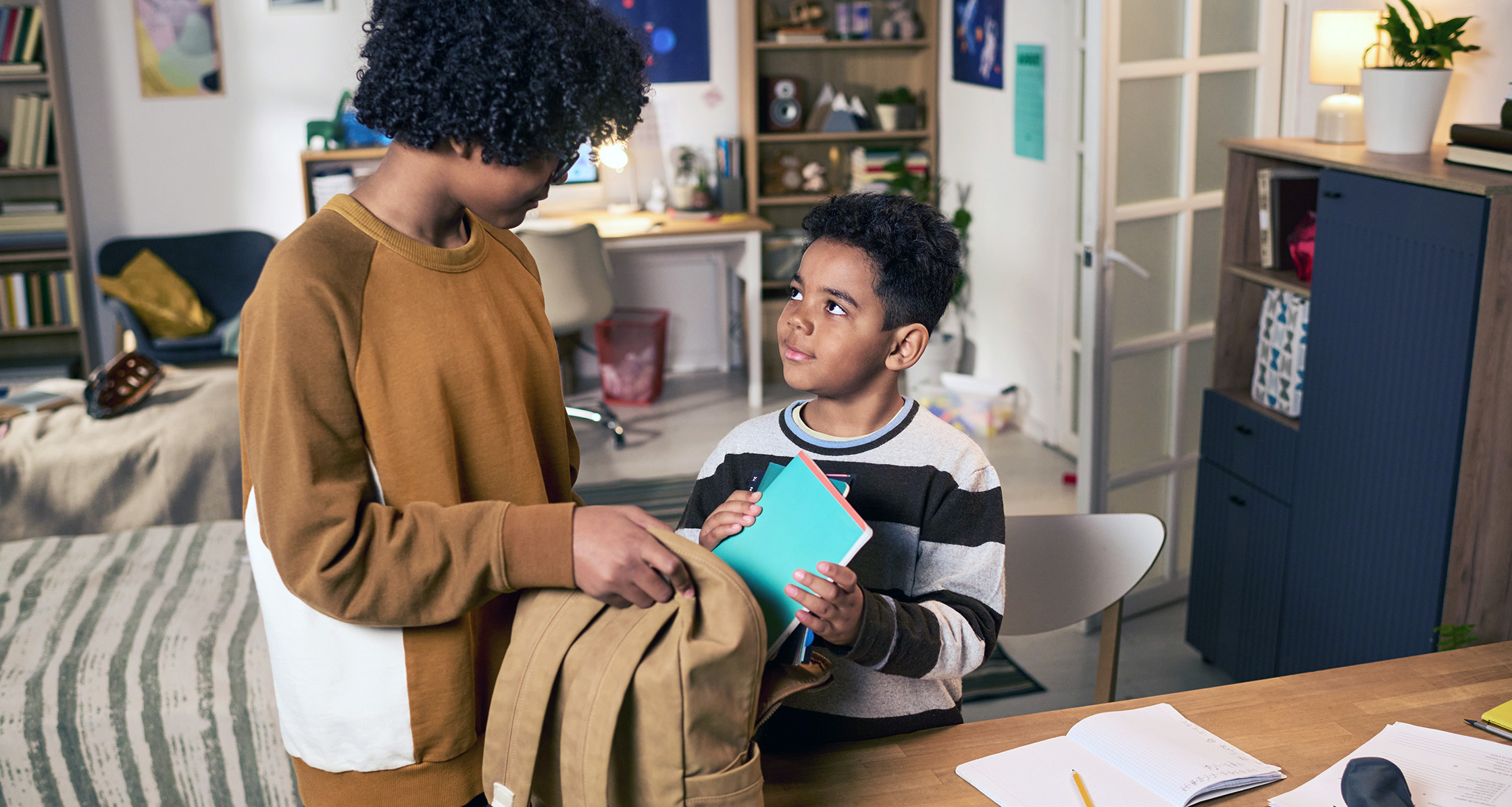
Back-to-school anxiety after a PCS move is a normal part of military family life, but with the right strategies and support you can help your child manage stress and thrive this school year!
As the summer comes to a close, kids across the nation are preparing to head back to school. For many military children, they’ll start school in a new place.
Because of frequent Permanent Change of Station (PCS) moves, military-connected kids may attend five or more schools between kindergarten and their senior year of high school. While these moves are a normal part of military life, they can create a lot of anxiety and stress as kids try to make new friends, learn a new curriculum, and adjust to a new routine.
To help your kids navigate back-to-school anxiety this year, check out the tips and resources below.
The Anxiety Concern
The Journal of Adolescent Health found that military children who move frequently were significantly more likely to have a mental health issue. Adjusting to a new home and new school after leaving their existing support system can be difficult. Some of the stress or anxiety related to starting at a new school can include:
- Sitting alone at lunch or having to pick partners for classwork and projects
- Making friends and rebuilding a social support network
- Breaking into social circles and gaining acceptance when social networks are already established
- Dealing with a deployment or having things feel unsettled at home
- Missing tryouts or finding different sports or levels of competition than they’re used to
- Leaving behind important friendships and relationships
As a result of this stress your child may begin to show signs of anxiety, including excessive worry, sleep problems, physical ailments such as headaches or stomachaches, and more.
Tips for Helping Your Children Manage Back-to-School Anxiety After a Move
- Watch for signs of stress. Understand how excessive stress and anxiety may show up in your kids. Common signs of stress in military children may include irritability, anger, withdrawal from activities they used to enjoy, separation anxiety, sadness, changes in school performance, and more. If you notice signs of stress, act early and get the support your child needs.
- Keep routines in place.
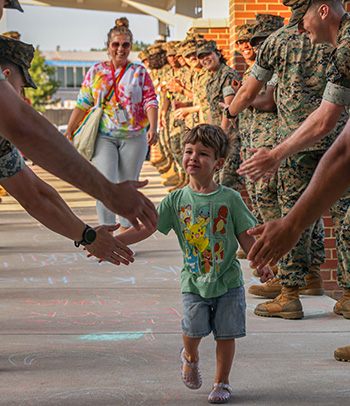 As much as possible maintain the routine and structure they’re used to at home, such as family dinners, chores, and bedtimes. Keep important family rituals or traditions going in your new home too. This consistency can help them feel safe and comforted as they adjust to their new school.
 - Allow them to express their emotions. Your kids may feel anger or resentment toward you after a move, or they may be sad and withdrawn. Allow them to experience these emotions, let them know it’s normal, and then begin to offer encouragement or support.
- Make connections. As soon as possible, connect with other children and with your child’s “thing” or passion. Whether it’s sports, an activity they enjoy, or a club they love, connecting your kids to others who share an interest is a great way to ease their anxiety. If you need help, check out your Youth Sponsorship Program which can connect your child with a peer sponsor who can answer questions, help them make connections, and introduce them to opportunities in your new location.
- Prepare. What worries can you ease before your child begins school? Figure out what they’re concerned most about and see if you can prepare them in advance. For example, if they’re using a locker for the first time, practice on an old lock at home. If they’re worried about getting lost, see if you can schedule an in-person tour before school starts. If they’re worried about making friends, get in touch with the guidance counselor at the school or your local school liaison to ask for help making a connection. Older children may experience stress regarding transferring credits. States participating in the Military Interstate Compact work to coordinate graduation credits, transfer of records, and course placement, as well as other administrative policies to help ensure success.
- Maintain healthy habits. This goes for you and your kids. Our bodies and minds can handle stress better when we’re keeping ourselves healthy. Prioritize getting enough sleep, eating nutritious foods, and physical activity every day. Model positive ways to manage stress and give your kids some ideas to try. Teach them skills like deep breathing and other mindfulness activities that can help them stay calm when they feel anxious. Remind them that the important things, like love and family, remain the same in the midst of all the changes.
- Highlight the positives.
 Many kids develop strength and resilience from managing stress and learning to adapt in new situations. Remind your kids of the skills and maturity they’re developing and get them to see how each move provides them with tools they can use for the rest of their life.
 - Provide small comforts. When possible, make an effort to provide small comforts that can reassure your children. Suggestions include notes in their backpack or lunchbox, a favorite snack when they get home from school, or a special outing after a successful first week of school.
- Keep communication lines open. It’s so easy to get caught up in unpacking or adjusting to a new job, but it’s important to communicate with your children as early and often as possible. Schedule a weekly walk or a drive and listen, answer questions when you can, and be there for your child.
- Seek support. If you notice signs of stress or anxiety, reach out for support. Check out the resources below to help your children thrive, including counseling options, mental health support, and more. If your child is moving to an off-post school, look to see if military support groups are in place to provide camaraderie and connections.
Resources
- Your TRICARE healthcare plan offers a wide range of benefits to help you and your family stay strong and healthy throughout your time in the military, including preventive care, mental health support, and more.
- School liaisons and your installation’s youth sponsorship program are great resources. School liaisons can assist with transferring credits, registering for classes, getting involved with extracurricular activities, and more. Youth sponsorship programs can help your children meet other military-connected children and participate in familiar activities to help ease their transition.
- Military OneSource has a parenting section full of guidance on making moves easier for your children, talking to teens about difficult topics, and more. Military OneSource also provides free, confidential counseling for youth ages 13-17 and family counseling sessions for children ages 6-12 with a parent present. For specific ideas on how to prepare after relocation, check out Military OneSource’s guide on changing schools.
- The Military and Family Life Counseling Program provides free, confidential counseling to Service members and their families on or near installations. Children and youth behavioral military and family life counselors can provide support for issues such as low self-esteem, behavioral issues, anger management, and difficult life situations like divorce, grief, and deployment.
- Sesame Street for Military Families has information, videos, and games to help your young children deal with a range of military life challenges, including relocations, deployments, and much more.
- BLOOM is a partnership with the National Military Family Association created by military teens for military teens. BLOOM is a platform that enables teens to connect with other military teens through content creation and community building. In addition, they conduct an annual Military Teen Experience Survey that can help you get a snapshot of what military teens are experiencing.
Back-to-school anxiety after a PCS move is a normal part of military family life, but with the right strategies and support you can help your child manage stress and thrive this school year!