
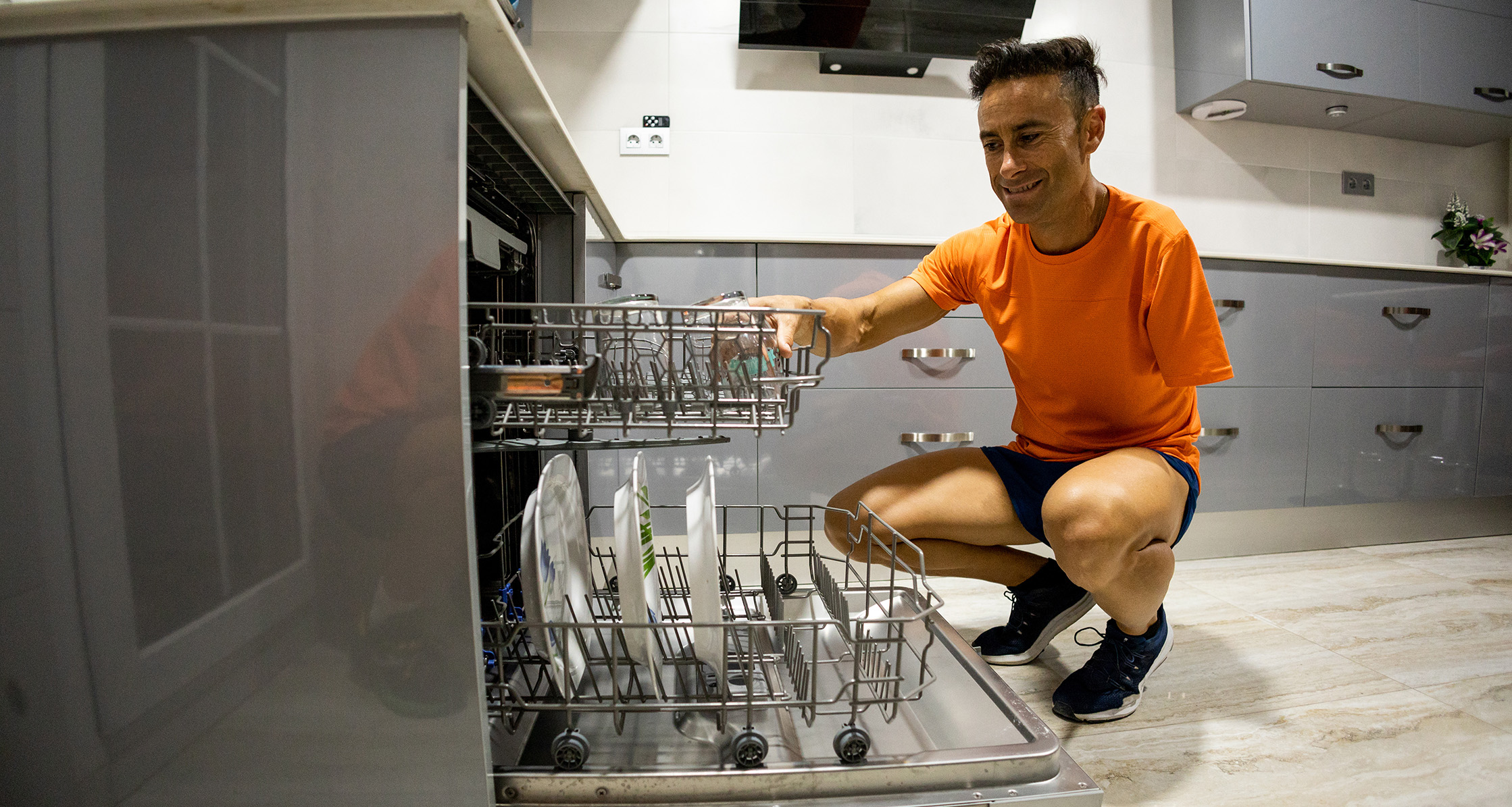
Build more movement into your day for a healthier life.
According to the Journal of the American Medical Association (JAMA), most Americans report sitting for at least six hours a day. Many of us sit long hours for work, commuting, or just relaxing after a stressful day. But all that sitting can be linked to many health risks, such as obesity, diabetes, and more.
The good news is that even small amounts of movement throughout the day can counteract these negative health effects and provide benefits such as improved mood, stabilized blood sugar, and a healthier heart.
Learn more about the health risks of too much sitting, get tips for small ways to add more movement to your day, and check out some resources ready to support you.
The Health Risks of Too Much Sitting
Whether you’re confined to a desk while you work, forced to sit for a long commute, or plopping down on the couch every evening, Americans are sitting more and more hours every day. The National Institutes of Health says the problem is that all this sitting has been associated with several negative health outcomes, including:
- Higher risk of premature death
- Increased risk for heart disease, type 2 diabetes, obesity, certain cancers, dementia, and high blood pressure
- Hip tightness, back pain, and joint pain
- Insulin resistance and fat storage
- Worse symptoms of depression and anxiety
- Loss of muscle and weaker bones
The Importance of Movement
The Physical Activity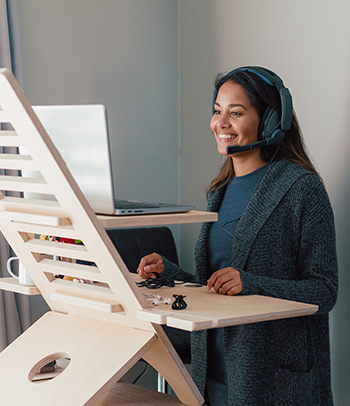 Guidelines for Americans recommends that adults get 150 minutes of moderate-intensity physical activity per week. While reaching 150 minutes is the goal, the guidelines are flexible about the ways in which you reach 150 minutes. For example, several 5- or 10-minute bursts throughout your day can play a meaningful role in your health.
According to the U.S. Department of Veterans Affairs (VA), regular, varied movement throughout the day is vital for overall health and longevity and provides many benefits, including:
- Steadied blood pressure
- Improved muscle health and bone density
- Mental focus
- Better sleep
- Reduced risk for heart disease, weight gain, and certain cancers
- Better circulation and digestion
- Reduced anxiety and depression symptoms
- Longer life expectancy
Small Ways to Add Movement to Your Day
Below you will find a list of ways to add movement to your day. The key is to think about your typical day and to find ways to move that work best for you. How can you find a minute to get your heart rate up? How can you build strength and stretch your muscles without a dedicated workout session? Here are some ideas:
- Add movement to your meals. Whether you’re cooking, just heating up food, or waiting for your coffee pot to fill, do a little extra movement. Instead of scrolling through your phone while you wait, try some squats, a wall sit, a few pushups, or some laps around the kitchen.
- Make your chores count. When you’re running errands, pick a parking spot that’s far away from the store and walk between stores if possible. Carry your own groceries to and from the car and make multiple trips. If you’re vacuuming or sweeping, do it vigorously. Get out and do some yard work, like raking or weeding. When you brush your teeth, try a few calf raises.
- Walk and talk. If you spend time on the phone, whether it’s taking a call for work or catching up with friends, don’t just sit there. Take a walk around your office or home or walk up and down the stairs while you talk. If you’re confined to a desk, try toe taps, knee raises, or arm circles (if you’re hands-free).
- Set a timer. If you know you’ll be sitting for an extended period, set a timer that reminds you to move every hour. Some watches or fitness apps will do this for you, but if not, set a timer on your phone. When it goes off, get up, stretch, and move around for a couple of minutes. Research suggests that breaking up sitting every 30 to 60 minutes is particularly beneficial for metabolic health.
- Turn happy hour into something more. Instead of meeting up with friends to sit for coffee or a drink, plan something that involves movement instead. Walk together, try a yoga class, or meet for a game of pickleball.
- Make chill time a little less chill. After a long day, our minds may just want to sit around and zone out. But that’s not really what our bodies need, especially if we sat down for a big part of the day. When you’re watching TV, try keeping a stretchy exercise band or some light hand weights near the couch and do some arm and leg exercises. You can also stand up and sit down repeatedly during commercials or hold a plank after you finish an episode.
- Invest in your health. If you work from home and require a lot of sitting, you may want to consider investing in a sit-stand desk (adjustable height desk) to ensure you’re getting a chance to alternate between sitting and standing throughout the day. Research shows sit-stand desks can reduce sitting time by about 1-2 hours per workday. If these items aren’t in your budget, schedule your own movement breaks and get up as often as you can.
- Complete “exercise snacks” throughout the day. Make up your own ways to move more. These brief bursts of activity—sometimes called “exercise snacks”—can add up throughout the day to improve your health. Create tiny “exercise snacks” that work best for you, such as holding a 30-second plank while you mouthwash, doing arm circles while you wait for the bus, adding some leg lifts while you scroll your social media pages, and more. Start simple and ask yourself – what are three ways I can add more movement to my day?
- Physical activity offsets sitting risks. Meeting the recommended 150 minutes of moderate-to-vigorous physical activity per week can substantially reduce or even eliminate the increased mortality risk associated with prolonged sitting.
Resources
- TRICARE offers many resources for healthy living.
- Military OneSource has several resources related to health and wellness, including free health and wellness coaching consultations.
- The Department of Veterans Affairs (VA) offers several resources for Veterans who are looking to add more movement to their lives. These include VA’s MOVE! Weight Management Program and Whole Health, an approach to health care that empowers you to take charge of your health and adding more movement to your daily routine. Many VA medical centers offer in-person or virtual activities where you can move your body. Contact your VA facility to find out what’s available in your area.
Remember, all the little things add up! Build more movement into each day for a healthier life!