Just like other aspects of our bodies, like our bones or heart and lungs, we need to give our skin and hair certain nutrients to look and feel their best.
When we think about improving our hair and skin health, many of us use products daily to keep them looking their best. But these are applied on the outside of our bodies, like a favorite shampoo or face cream. How many of us consider what we put inside our bodies affects our skin and hair health?
Emerging evidence demonstrates that skin and hair health are closely linked to dietary choices, not solely to topical products or cosmetics.
Our skin serves as a barrier against pathogens, UV radiation, harsh weather conditions (such as wind or extreme temperatures), chemicals, and toxins, while also regulating hydration, temperature, and immune responses.
Nutrition is fundamental to supporting these protective and regulatory functions, with deficiencies or imbalances often manifesting as cutaneous or hair changes.
Learn more about how your diet and other lifestyle choices can affect your hair and skin health.
What Foods Should I Eat to Improve My Hair and Skin Health?
Just like other aspects of our bodies, like our bones or heart and lungs, we need to give our skin and hair certain nutrients to look and feel their best.
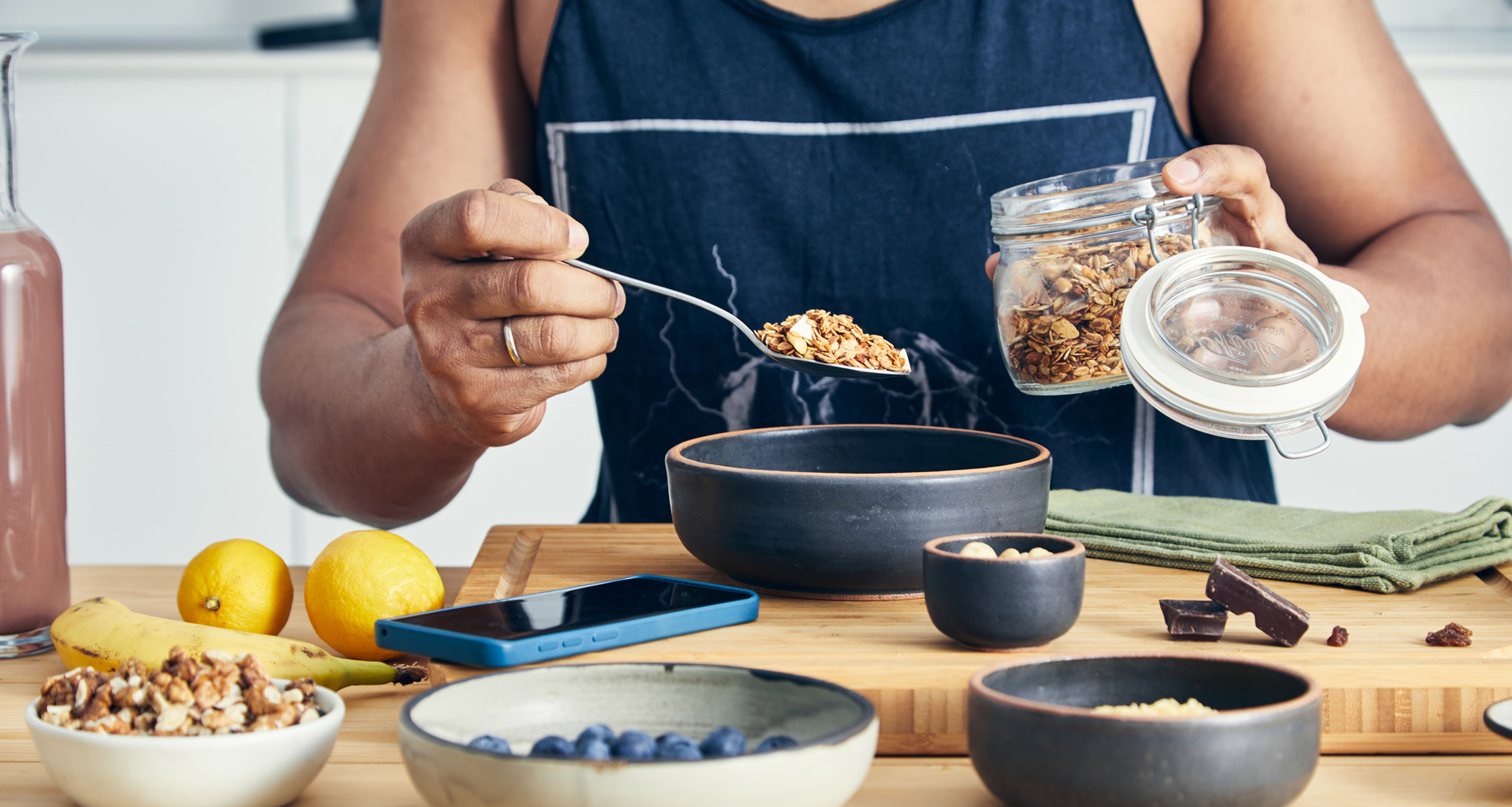
Eating a diet rich in fruits, berries, vegetables, whole grains, nuts, fatty fish, and legumes is a great place to start. A plant-forward, whole-foods-based diet provides these nutrients and supports skin barrier function. Diets high in polyphenols, antioxidants, and with a low glycemic index are associated with improved skin outcomes.
Below you’ll find a list of important nutrients, as well as some of the foods that contain them, for healthier hair and skin.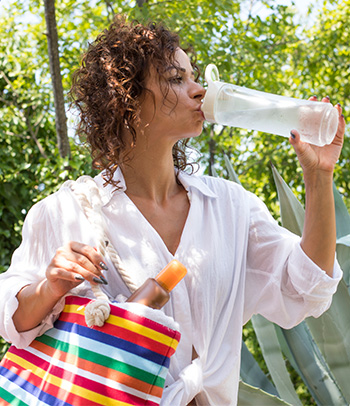
- Essential fatty acids (omega-3, omega-6): These can help reduce inflammation, keep skin and hair hydrated, and restore your skin’s natural protective layer, known as the skin barrier. The skin barrier helps keep moisture in and harmful substances, such as bacteria, irritants, and allergens, out.
- Foods: Fatty fish (herring, salmon and tuna); nuts and seeds (flax seeds, chia seeds, walnuts, and almonds)
- Protein: Protein is an essential part of a healthy diet and can help your hair and skin. Protein supports collagen production, repair, and hydration.
- Foods: Eggs, beans, lentils, and other legumes, some seeds, and lean meats like chicken and turkey
- Vitamin B (biotin, B12, B3): B vitamins perform a wide range of functions, including improving skin tone, treating damaged skin, and nourishing your scalp.
- Foods: Fortified breakfast cereals, lean meats, rice, black beans, and nuts
- Vitamin C: Vitamin C is essential for collagen production, a key component of firm skin and strong hair, and protects your hair and skin from damage caused by free radicals.
- Foods: Oranges and other citrus fruits, cantaloupe, bell peppers, broccoli, spinach, and berries
- Vitamin E: Vitamin E is an antioxidant that can help prevent cell damage, absorb energy from UV light, and protect skin from the sun.
- Foods: Seeds, nuts, and avocados
- Vitamin A and beta-carotene: Vitamin A can promote keratin production, help hair growth, and speed up skin healing.
- Foods: Sweet potatoes, carrots, spinach and kale, fortified milk, and fortified cereals
- Vitamin D: Vitamin D can help with skin cell growth and repair, as well as the creation of hair follicles.
- Foods: Fatty fish, fortified dairy, and fortified breakfast cereals
- Minerals (zinc, selenium, copper, iron): Mineral deficiency can cause hair loss and skin changes.
- Foods: Nuts, seeds, legumes, and whole grains.
Additional Lifestyle Tips for Healthy Skin and Hair
According to the Cleveland Clinic, your skin and hair can be affected by other lifestyle choices. Check out these tips for additional ways to improve their health:
- Avoid highly processed foods and added sugars. Fried foods, fast foods, and foods with a high sugar content can negatively affect your body, including causing inflammation, irritation, and breakouts on your skin, as well as hindering hair growth and volume. If you do eat fast food fries or a handful of cookies, for example, consider them “once in a while” treats.
- Reduce your alcohol intake. Alcohol dehydrates you and your body must work hard to filter it out. This prevents it from doing daily maintenance, like sustaining your hair and skin health. When you drink more often, you may notice under-eye puffiness, more upper facial lines, and more signs of aging.
- Stay hydrated. Both your skin and hair can be dried out easily by the weather, excessive sun exposure, and certain products. Consuming enough water can keep your skin hydrated and support optimal hair growth.
- Quit smoking. Smoking has several harmful effects on your skin and hair, including premature aging, wrinkles, hair loss, and dryness.
- Wear sunscreen. Sunscreen is an extremely important way to protect your skin against the sun’s harmful effects, such as irritation, sunburn, wrinkles, brown spots, and even skin cancer.
- Pay attention to your sleep. Getting quality sleep is essential for maintaining skin barrier integrity and promoting cutaneous regeneration, with sleep deprivation linked to impaired skin barrier function, increased transepidermal water loss, and accelerated skin aging.
- Exercise regularly. Both aerobic exercise and resistance training have been shown to improve skin elasticity, dermal structure, and extracellular matrix composition, and is associated with a lower prevalence of inflammatory and infectious skin diseases, as well as improved skin health overall.
- Stress management. Managing your stress is critical as psychological stress disrupts epidermal barrier function, increases inflammation, impairs wound healing, and can trigger or worsen hair loss and various skin disorders.
- Be cautious when using supplements. Many people use supplements to increase the amount of certain nutrients they’re getting, but the Food and Drug Administration doesn’t approve dietary supplements for safety or effectiveness. Talk to your health care provider before starting any supplements to see if they’re right for you.
- Talk to your health care provider. Your diet plays a major role in your health and wellness. Your skin and hair health is one aspect of your health, and your health care provider can go over your health history and unique health care needs to determine what diet is best for your optimal health.
Resources
Your nutrition affects more than just your skin and hair health. It can affect your risk for health issues such as high blood pressure, heart disease, diabetes, and more. If you need help getting your nutrition on track, reach out for support.
- The Department of Veterans Affairs offers several nutrition-related resources, such as access to healthy cooking classes, recipes and cookbooks, a weight management program, and consultations with registered dietitian nutritionists.
- Military OneSource has health and wellness coaching sessions for Service members and their immediate families, focusing on topics like eating better, exercise, stress management, and more.
Keep using that good-smelling shampoo and moisturizing face cream, but make sure to add some healthy foods to your diet to nourish your hair and skin from the inside out!