
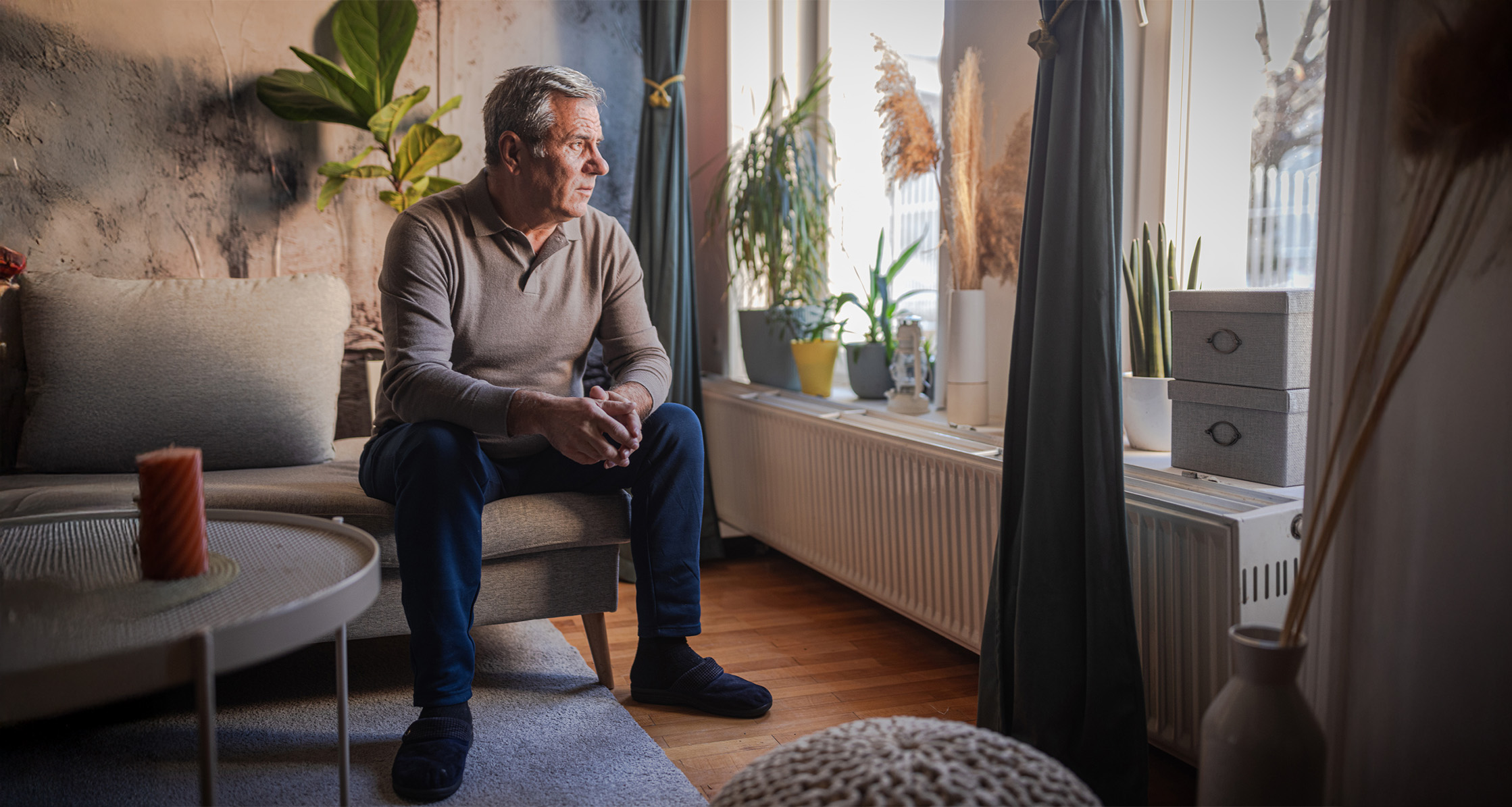
Seasonal affective disorder is a type of depression that affects your daily life and can cause significant changes in your mood and behavior.
During the winter months, many people have times when they get a little down emotionally. The shorter days and colder weather can sometimes make a person more moody or tired than normal.
But those people who live with seasonal affective disorder (SAD) have more than just the occasional winter blues. For the estimated millions of Americans who have it, the symptoms can be severe, long-lasting, and affect their daily life.
Learn more about this common disorder and its symptoms, as well as some tips and resources for coping with it.
What is Seasonal Affective Disorder?
SAD is more than the winter blues. Most people experience short periods of sadness during the winter–whether it’s because of the colder weather, the shorter days, less sunlight, or something else–sometimes you just feel off.
But according to the National Institute of Mental Health, SAD is a type of depression that affects your daily life and can cause significant changes in your mood and behavior. SAD relates to changes in the seasons and typically begins and ends at the same times every year. Most people who are afflicted with SAD have what’s called winter-pattern SAD. This means you experience symptoms that begin in the fall and continue through the winter, resolving during the spring and summer months. Less often, summer-pattern SAD causes depression in the spring or early summer and resolves during the fall or winter months.
What are the Common Symptoms of SAD?
Symptoms of SAD may include:
- A persistent mood of sadness, most of the day, nearly every day, for at least two weeks
- Social withdrawal or a loss of interest in activities you normally enjoy
- Sluggishness, fatigue, and a desire to oversleep
- Problems with overeating and craving carbohydrates
- Weight gain
- Difficulty concentrating or remembering things
- Feelings of hopelessness or worthlessness
- Increased irritability or moodiness
- Physical aches and pains, like headaches or digestive issues
The symptoms listed above may start out as mild and become more severe as the season progresses. These symptoms are often associated with the more common winter-pattern SAD. Summer-pattern SAD symptoms may look a little different. For example, you may have trouble sleeping, have a poor appetite, and may lose weight unintentionally.
What can I do to Manage SAD?
- Talk to your health care provider. If you’re experiencing any of the common SAD symptoms for multiple days at a time, or if it’s affecting your daily life, make an appointment with your health care provider. Describe your symptoms and discuss your next steps. Your provider may ask you to fill out a questionnaire related to your symptoms or refer you to a mental health professional for diagnosis and treatment.
- Get outside. Sunlight and
 fresh air are important for all of us, especially those who are affected by SAD. Try to find time to take a walk, eat your lunch outside if the weather allows, sit on a bench in the sun for a few minutes, or do some yardwork.
 - Exercise regularly. Exercise provides many physical and mental health benefits, such as relieving stress, improving your mood, and reducing symptoms of depression and anxiety. Even if it’s just 10 minutes in the morning and the evening, a little exercise can go a long way in helping you cope.
- Make your environment lighter. Find ways to get more light and vitamin D throughout the day. Open your blinds, trim back branches in your yard if they’re blocking the sunlight, sit close to the window while you work or eat, and rearrange your furniture to maximize your sun exposure.
- Implement a healthy sleep routine. Since SAD can negatively affect your sleep, it’s important to establish a sleep routine. Consider going to bed and waking up at the same time each day (even on the weekends) to avoid oversleeping. Give yourself time to wind down at night without exposing yourself to screens. In the morning, try to expose yourself to light as soon as you can.
- Eat nourishing foods. Even if your body craves starchy carbs and sugary treats, try to ensure your body gets the nutrients it needs. Certain foods, like fatty fish and eggs, may help your body absorb additional vitamin D.
- Spend time with family and friends. Don’t isolate yourself in the winter months. Stay involved and continue to schedule regular activities, even if you don’t always feel like it.
- Get the support and treatment you need. You don’t have to tough things out all winter long or wonder how to get yourself out of this. If you’re feeling down for days at a time and can’t shake it, get support. Your health care provider can discuss treatment options with you, such as light therapy, counseling, or medication. Check out the information below for more information.
What Treatment Options are Available for SAD?
If you’re diagnosed with SAD, you and your health care provider will discuss a personalized treatment plan. A provider can help you decide the best treatment option for you, as well as the best time to begin treatment to help prevent SAD symptoms from affecting your daily life. For example, some people find it helpful to begin treatment before symptoms normally start in the fall or winter, and then continue treatment past the time symptoms would normally go away. Other people need continuous treatment to prevent symptoms from returning.
Treatment for SAD may include:
- Light therapy–With light therapy, you use a special light box that mimics outdoor light, so that you’re exposed to a very bright light within the first hour of waking up each day.
- Cognitive behavioral therapy–With cognitive behavior therapy, or counseling, you can learn healthy ways to cope with SAD, identify and change negative thoughts, learn how to manage stress, and more.
- Medication–Because SAD is a form of depression, antidepressants used to treat depression can be effective for SAD as well.
Resources for Support
If you’re a Veteran who suffers from SAD, schedule an appointment with your primary care provider to find relief from your symptoms. The Department of Veterans Affairs has mental health services to get you the treatment you deserve.