
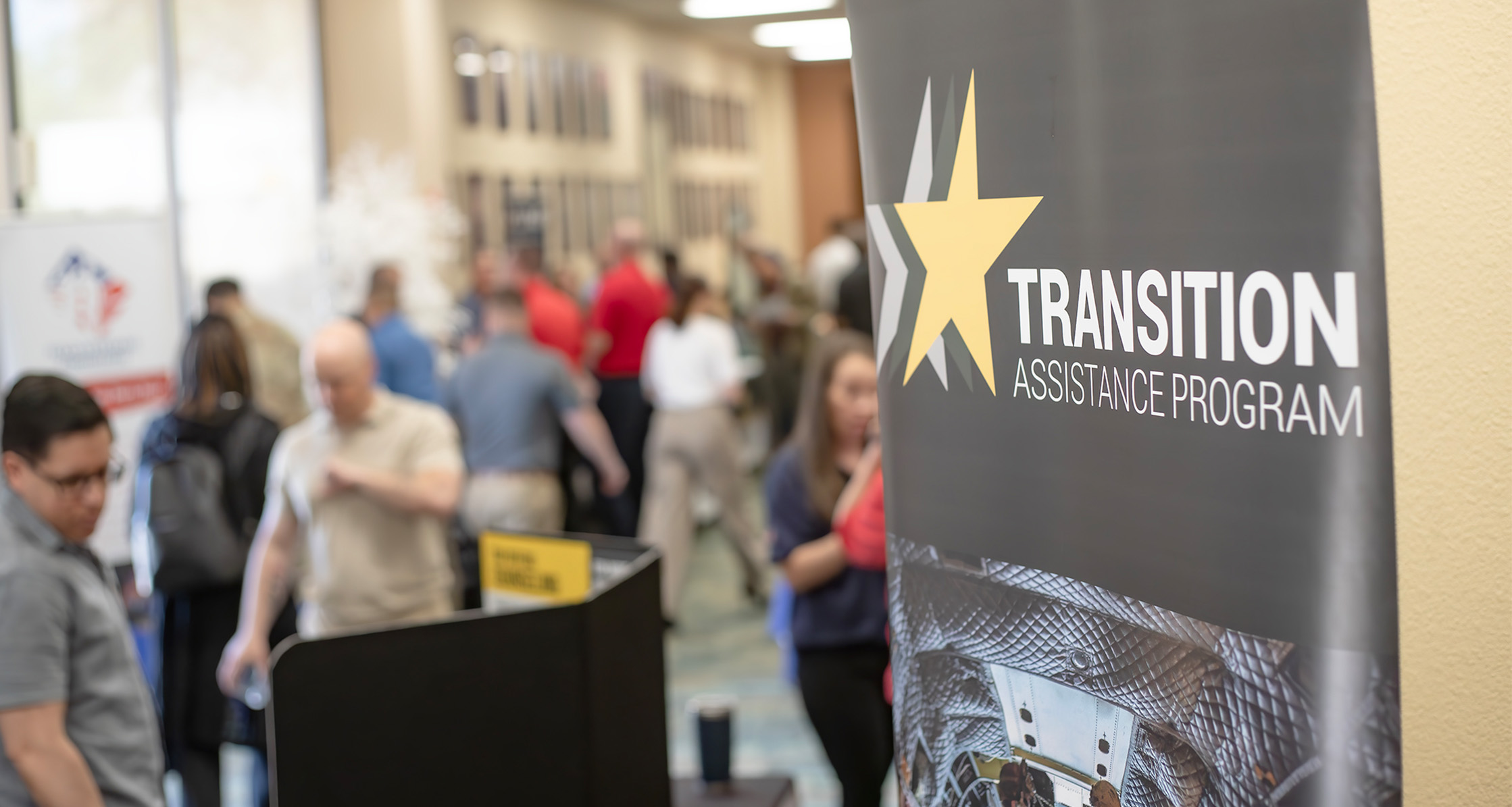
With a good plan and supportive resources behind you, the transition to civilian life can be a smooth one.
About 200,000 Service members transition to civilian life each year. Entering civilian life can be an exciting time for Service members and their families – a time full of new possibilities and opportunities. However, it can also be a stressful and difficult time as you try to plan the next stage of your lives together.
The more prepared you are, the smoother your transition will be. Check out these useful tips and resources to help you prepare for your civilian life transition.
Tips for a Successful Civilian Transition
- Ask yourself important questions and make a transition plan. As you start to think about the transition to civilian life, Service members and their families should ask themselves important questions. What do you want civilian life to look like? Where do you want to call home? Have you considered your health care options? What about available education or career opportunities? The more you work out ahead of time, the more successful your civilian transition will be.
- Review your finances. As Service
 members, their families, and retirees shift from military pay and benefits to civilian compensation, make sure you are financially ready. Build a realistic budget, plan for income gaps, make a plan for any debt you’ve incurred, and create an emergency fund to ease the pressure that can come during this transition.
 - Review your health care options. There are many different types of separation from military service and separating service members should review their health care eligibility prior to leaving the military. TRICARE beneficiaries separating from service fall under several eligibility categories in order to maintain their health care. For active duty beneficiaries, generally your TRICARE eligibility ends at 11:59 p.m. on your last duty day. The Transitional Assistance Management Program (TAMP) provides 180 days of health care benefits after regular TRICARE benefits end. Eligible beneficiaries don’t have to pay premiums, and the benefits help with the transition to civilian life.
- Prioritize your health and wellness. To handle the stress that can come during the transition from service, prioritize your wellness. Eat a healthy diet, move every day, and get enough rest. It’s also important that every family member finds ways to release stress and relax. Try simple relaxation techniques, breathing exercises, a daily walk, or time with friends.
- Make time for family. Entering civilian life can be busy and hectic, and relationships can feel strained while you work to establish new routines. Plan easy ways to connect through family meals, small outings, and celebrations for those milestones or holidays Service members may have missed. The Department of Veterans Affairs (VA) offers a Couples Coach mobile app designed to increase positive communication, work through conflict, and explore new ways to connect.
- Find a community. Military life often comes with a built-in community within your unit, command, or installation. When you transition to civilian life, it’s important to build a support network and find new ways to belong. Consider connecting with local social groups, joining a faith community, or volunteering. Consider joining a Veterans social group and continue to stay in touch with your friends from the military. These connections can foster your emotional and mental well-being as you chart a new path.
- Access important resources and support. Military to civilian transition support occurs within a complex network of relationships, programs, services, and benefits, which includes planning and assistance. The Transition Assistance Program (TAP) provides information, tools, and training to ensure Service members, their spouses and/or caregivers are prepared for the next step in civilian life. TAP also has a one-day, in-person course led by VA Benefits Advisors to help understand how to navigate VA and the available earned benefits and services.
- Understand other available benefits. Service members, their family members, and military retirees should be sure to access important benefits that can help ease their transition into civilian life. Eligibility varies, but there are several benefits to explore, including civilian transition assistance, education benefits, training resources, disability compensation, health care, home loans and housing assistance, and more.
- Consider your next moves.
 Throughout a Service member’s military duty, their partner may have put their own career on the back burner due to frequent relocations or family demands. However, civilian life may bring new opportunities to pursue a passion or return to the workforce. Resources like Military OneSource’s spouse relocation and transition consultants can help partners figure out their next move.
 - Allow time to adjust. During military service, life is organized around that service so when that changes, it’s a big deal. Routines, roles, and responsibilities will shift, change, and shift again. Stay flexible and remember that transitioning into civilian life is a process that takes time.
- Take advantage of available resources. This is not something you have to do on your own. There are several resources available to help you plan and prepare for your next adventure. Check out the resources below to get started.
Resources
- TAP provides information, resources, and tools to Service members and their loved ones to help prepare for the move from military to civilian life. Service members begin TAP one year prior to separation, or two years prior to retiring. There are specific courses geared toward different aspects of the transition, including VA benefits and services, financial readiness, employment opportunities, mental health resources for families, and more.
- Military OneSource provides a full year of support for transitioning Service members and their spouses. Get your questions answered by a trained consultant and receive personalized support as you plan for the next stage of your life. The Military Spouse Transition Program provides partners’ support in navigating the transition to civilian life as well. The section “MySTeP- Stepping Beyond” helps to plan and guide your family’s transition.
- VA’s mental health services offer a variety of mental health resources, information, and treatment options, including individual counseling, couples counseling, family therapy, and support groups. VA also has information, resources, and support specific to Service members separating from the military. Many Service members may experience unexpected challenges along the way, like anxiety, trouble sleeping, and difficulty concentrating. If your loved one is struggling, contact VA’s mental health services for the support your family deserves.
- Blue Star Families is committed to strengthening military families by connecting them with their neighbors to create supportive communities. Attend local events, join online communities, and make connections to help rebuild your support network and create a sense of community wherever you live.
With a good plan and supportive resources behind you, the transition to civilian life can be a smooth one.