
“Small steps can feel insignificant at first (like it will take years to see progress), but momentum builds quickly with realistic goals, the right guidance, and a strong support system.” – Jen McKinney, Dietitian and Diabetes Educator, TriWest Disease Management Department
When you’re juggling a busy schedule and a load of responsibilities, it can easily lead to unhealthy eating habits, from highly processed breakfasts and snacks to regular stops for fast-food lunches and dinners. Who hasn’t rushed out the door in the morning with no time to eat, only to grab a donut and a sugary coffee on the way to work? Or what parent hasn’t heated up a frozen pizza and fries for the kids after a late evening of sports?
Many military families face demanding schedules, and it can feel impossible to eat healthy, home-cooked meals. But you can simplify eating healthier at home with basic meal planning and prepping strategies your family can implement right away.
We asked two nutrition experts from TriWest Healthcare Alliance (TriWest) to share their best tips and tricks for helping busy military families eat healthier.
Meet the Experts
Jen McKinney is a dietitian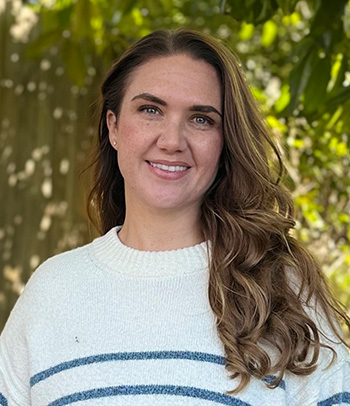 and diabetes educator with the Disease Management Department at TriWest. She works closely with beneficiaries to improve glycemic control, build nutrition confidence, and strengthen self-management skills. “My goal is to empower individuals and families to live the healthiest life they choose,” Jen shared. Outside of work, you can find her kayaking, taxiing her three young kids around, or checking out local restaurants with her husband.
Lindsay Travnicek has been a registered dietitian for close to two decades and is currently a health coach at TriWest, where she counsels people on managing heart disease and diabetes and achieving their weight management goals. “I knew from a very young age that nutrition was my passion and have been personally committed to a healthy lifestyle for decades,” Lindsay said. In her spare time, she enjoys cooking, traveling, and exercising.
Their background and expertise in the field of nutrition provide us with a great resource for all our meal planning and prepping questions.
Plan Ahead
Meal planning ahead of time gives you a chance to create balanced meals that work with your family’s busy schedule.
“Planning ahead is the single greatest factor that determines how successful you’ll be with remaining consistent with healthy eating,” Lindsay shared emphatically. She recommended carving out time weekly, when it’s most convenient for you, to create a plan. “The investment of time on the front end removes the stress of last-minute planning and prevents you from eating out or turning to convenience foods with poor nutritional value.”
Jen agrees. Small efforts toward meal planning can put a surprising amount of time back into your day. “You don’t need to spend an entire Saturday shopping and cooking for the week; sometimes, even just planning your meals ahead of time can reduce the mental fatigue and eliminate an extra trip to the grocery store,” she added.
Start Small
When Jen works with busy families to eat better, she stresses the importance of defining what “better” actually means. For example, it might mean “eating at home one more night per week, offering cut-up vegetables with dip after school, or simply eating breakfast before 10 a.m.,” Jen said.
Starting with small changes like these that connect to your family’s idea of “better” can make meal planning and prepping feel more manageable. “Small steps can feel insignificant at first (like it will take years to see progress), but momentum builds quickly with realistic goals, the right guidance, and a strong support system,” Jen shared.
Make It Easy
Lindsay emphasized that it’s important to keep things easy if you want to stay consistent, and shared several strategies. To start, she likes to do something she calls “ingredient prep,” which involves making things that can be used in multiple ways throughout the week. For example, she suggested making baked sweet potatoes, roasted vegetables, marinated and baked tofu, or a pot of cooked whole grains such as barley or farro. “This provides easy, ready-to-use ingredients for quick, healthy options during the week, like soups, sheet pan meals, or crockpot dinners.”
She also added that it’s OK to use tools and convenience products to make things even easier. “Crockpots are set it and forget it – one of the best tools here.” To get started with a healthy crockpot recipe, try this recipe for slow cooker chicken fajitas or a turkey chili with beans and corn.
She continued, “Don’t be afraid to use convenience products to save time either, like precooked whole grains, rotisserie chicken, peeled or pre-cut vegetables, or canned beans, tuna, or salmon.” Here’s a recipe for a Tuscan tuna salad wrap that uses both canned beans and tuna, making it quick, healthy, and inexpensive to make.
Jen has three young kids, so she knows a thing or two about needing quick and easy dinner options during the week. Her suggestion? Rotisserie chicken. “I use it for quick wraps, quesadillas with black or refried beans, or tossed into pasta with a light sauce and steamed broccoli, which makes dinner in under 30 minutes.”
She also loves to take advantage of the sheet pan. “A family favorite is chicken sausage with sweet potatoes, white potatoes, red onion, and broccoli or Brussels sprouts,” Jen shared. She recommended placing the ingredients on the sheet pan, tossing everything with olive or avocado oil, seasoning simply, and roasting in the oven at 425 degrees for 25-30 minutes. “And yes, if you have a sauce-loving preschooler like I do, ketchup or Chick-fil-A sauce is welcome at the table,” she added.
Eat at Home
Jen and Lindsay both stressed the benefits of eating at home. “Connection,” Jen said. “Even 10-15 minutes together at the table allows families to check in and reconnect during busy days.”
Lindsay points out that having family meals together helps kids learn to like a wider variety of foods, too. She said, “Try to avoid being a short-order cook who prepares multiple meals. This can be overwhelming and makes picky eating worse. Involve everyone in meal planning and let kids have a job in the kitchen.”
She goes on to highlight the health benefits. “Studies have repeatedly shown that people who eat at home have higher diet quality and lower intake of calories, sodium, and fat, which translates into a reduced risk of chronic diseases like obesity and diabetes.”
Both women also point out that planning your meals can save hundreds of dollars each month. Jen asked, “How often do busy sports nights lead to grabbing sandwiches or fast food for 30 to 50 dollars?” Preparing those meals at home, even a couple times a week, can cut your costs dramatically.
Make Breakfast Count
Most of us have probably heard the expression “Breakfast is the most important meal of the day,” but it’s also the one that’s easiest to skip. Many people turn to unhealthy grab-and-go options like sugary muffins, Pop-Tarts, or donuts, but Jen has several suggestions to make breakfast both healthy and fast.
She suggested making big batch breakfasts ahead of time, such as overnight oats, homemade egg bites, or Greek yogurt parfaits stored in reusable jars. Here’s a recipe for berry-vanilla overnight oats, which provides several servings of oats high in protein and fiber. To try Jen’s egg bites idea, here is a recipe that makes 12 crustless quiche muffins loaded with veggies and lean protein.
If you can’t find time to prep anything ahead, all is not lost. Another easy idea Jen provides is whole-grain waffles or pancakes served with nut butter and fruit. She even has a tip for the protein bar you may grab on your way out the door. “Pair it with a piece of fruit. The fiber helps keep you full longer and supports more stable energy throughout the morning,” she explained.
Try Better Snacking
When you need a snack, it’s easy to grab a handful of chips or cookies out of the cupboard, so it’s important to make healthy options just as easy and available.
Lindsay has several easy snack ideas that you can keep on hand for a quick energy boost throughout the day, such as hard-boiled eggs, mozzarella cheese sticks, individually packed hummus cups with pre-cut vegetables, nuts and seeds, yogurt parfaits, and cottage cheese. Here’s a recipe for no-bake energy balls, loaded with nuts and seeds like Lindsay suggested, or a berry yogurt protein bowl for a more substantial, filling snack.
Make It Your Own
There is no right or wrong way to meal plan or prep. It’s up to you to decide what goals you have and what steps you want to take to improve your family’s eating habits.
Jen explained that “finding a why” often makes it easier to figure out the “how.” She shared an example from her own family. “With three young kids playing soccer, we have practice four nights a week.” Because of this, Jen and her family found themselves picking up quick meals out. “It was getting expensive, and it wasn’t giving the kids the energy they needed for practice.” Their “why” for making a change became saving money and boosting energy levels. Their “how” became prepping sandwiches ahead of time and pairing them with chips and fruit for practice nights.
Maybe for you, it’s getting your family to eat more vegetables, so your “how” becomes learning a recipe for roasted vegetables to add a simple vegetable side to your weekly rotation. Or maybe it’s wanting to eat less processed foods, so your “how” is prepping a homemade salad dressing that you can use to replace the creamy store-bought one you’ve gotten used to. Maybe it’s making changes even picky eaters won’t notice, so your “how” is taking a family favorite recipe and finding simple ways to make it healthier, like using ground chicken instead of ground beef for taco night, or swapping out your spaghetti noodles for a whole wheat or protein option instead.
Reach Out for Support
If families still aren’t sure where to begin, reaching out for support is often a powerful first step. In addition to the advice Jen and Lindsay provided, there are several evidence-based and family-friendly resources they recommend to help busy families meet their wellness goals, including:
- TRICARE and TriWest Health Coaching Programs offer eligible beneficiaries free support from health coaches and dietitians to help with nutrition, diabetes management, and overall health goals.
- Military OneSource offers nutrition, wellness, and lifestyle support tailored specifically to military families.
- Nutrition.gov shares simple meal ideas, snack suggestions, food budgeting tips, and practical tools to help families plan and eat well with limited time.
- Eatright.com has a collection of recipes developed and reviewed by dietitians, offering balanced meals and snack ideas that are realistic, family-friendly, and grounded in nutrition science.
- MyPlate Kitchen provides recipes that can be searched by nutrition, food groups, cuisine, cooking equipment needed, and total cost.
With some simple changes, a few new recipes, and the right support, you and your family can become meal planning and prepping experts, too!