
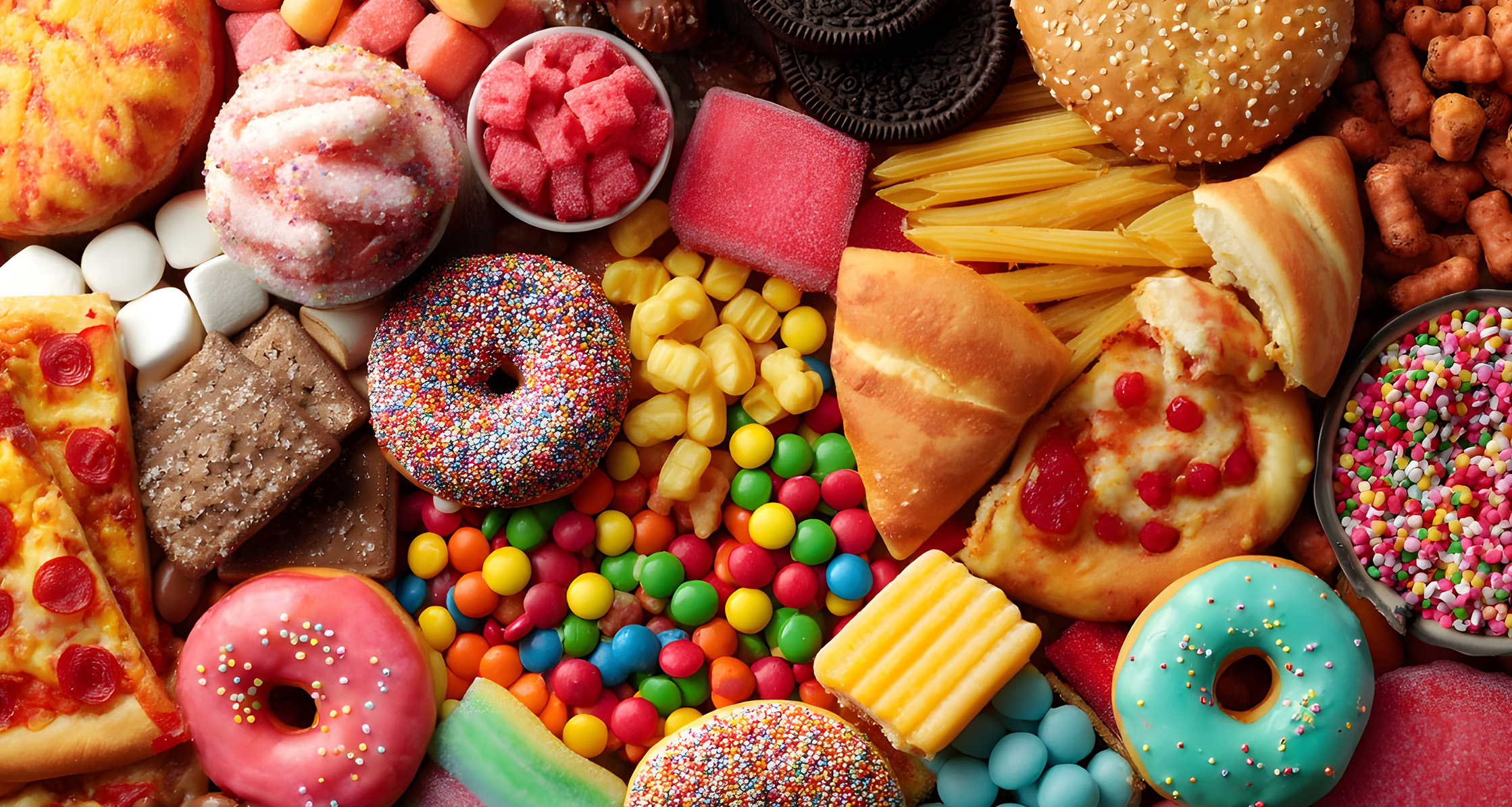
Highly processed or ultra-processed foods have become a large part of our diet and have been linked to several health conditions, such as diabetes, obesity, and high blood pressure.
Processed, ultra-processed, and highly processed are words you may have heard when it comes to your diet. What do these words mean? What foods fall into these categories? Are they bad for my health?
Highly processed or ultra-processed foods have become a large part of our diet and have been linked to several health conditions, such as diabetes, obesity, and high blood pressure, but it can be difficult to know exactly what they are.
Learn more about processed foods and their effect on your health, as well as some tips for how to choose healthier alternatives.
What Are Processed Foods?
From the time humans started cooking with fire, or canning and curing their foods, we’ve had processed foods. Later, as scientists discovered that certain additives could extend a food’s shelf life and prevent spoilage, processed foods started popping up as a way to make food more affordable, convenient, and available.
We now see both processed foods and ultra- or highly processed foods everywhere. Here are some detailed explanations and examples:
Whole, unprocessed, or minimally processed foods – These foods have not had any processing or have had minimal processing. A key part of a whole food is that most of its nutrients remain intact. Examples include whole fruits and vegetables, raw nuts and seeds, grains such as quinoa or wild rice, dry beans and legumes, fatty wild fish, eggs, lean poultry or meat, and plain yogurt.
Processed foods – These foods have undergone some processing from their original, natural state. This could be something like adding sugar, salt, fat, or oil. Examples include salted nuts, cured meat, canned fish, canned fruits and vegetables, most cheeses, most freshly made bread, fruit juice, refined flour, and canned beans.
Ultra-processed or highly processed foods – These foods have undergone processing techniques that make them substantially different than the original. They typically contain little or no whole food and include ingredients you wouldn’t find in a kitchen, such as flavorings, colorings, emulsifiers, bulking agents, gels, and other cosmetic additives. Examples include flavored yogurts, reconstituted meat products like hot dogs and chicken nuggets, frozen pizzas and fries, chips, sodas, candy bars, commercial breads, sweetened cereals, store-bought cookies, baking mixes, boxed mac and cheese, and more.
What Are the Health Risks?
Most nutritionists agree that eating highly processed foods occasionally is OK. A handful of chips at a party, a piece of cake during a celebration, or a cookie after dinner is not going to determine your overall health and wellness.
However, for many people, these foods have taken over their diets. Research shows that highly processed food now accounts for nearly 60% of the calories that American adults consume, and for American children, that portion is closer to 70%. Because these foods tend to be higher in fat, salt, and sugar, and stripped of important nutrients like fiber, they are associated with an increased risk of:
- Obesity
- Cardiovascular disease
- Type 2 diabetes
- Depression and anxiety
- Certain cancers, like colorectal
- Sleep disorders
- Cognitive decline
Many ultra-processed foods are created with a precise formula of sugar, salt, and fat that may encourage people to overeat. If you’ve ever eaten a chip or a cookie and thought, “I can’t stop,” it may be because it was designed to make you feel that way, often leading you to overeat and consume too many calories.
How Can I Make Healthier Choices?
- Apply what you know. Now that you have a basic understanding of the difference between whole, processed, and ultra-processed foods, apply this information to your diet. Look at ingredient lists and figure out what foods are the most processed in your diet and see what you can eliminate. Find more whole foods to add to your diet and try to make better choices when you do buy processed foods. For example, jarred pasta sauce is processed, but now you can look for one that has whole ingredients like tomatoes and herbs and contains lower levels of added salt.
- Don’t beat yourself up. Completely avoiding ultra-processed foods may not be realistic for everyone, and that’s OK. Things like busy schedules, strict budgets, and food affordability lead many of us to turn to ultra-processed foods. And while those things may not change, try to decrease your consumption where you can. For example, if you use cereal as a quick and easy breakfast for your family, consider one with whole grains that’s low in added sugar, instead of one that’s full of added sugar, artificial colors, and flavors. If dinner is chicken nuggets one night you can serve them alongside whole foods, such as carrot sticks or apple slices. These are small changes, but these small changes can start to make a big difference in your overall health.
- Read ingredient lists.
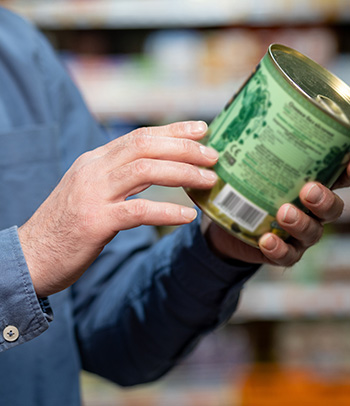 Try to avoid foods that contain ingredients you would not use in home cooking, such as hydrogenated oils, high-fructose corn syrup, artificial colors, flavor enhancers, or emulsifiers. These are signs that a food is ultra-processed. For more help reading a food label, check out Healthy Homefront’s Making Sense of Food Labels.
 - Prioritize whole foods. Try to add whole foods to your diet where you can, like fruits, vegetables, whole grains, beans, nuts, and seeds. If you can’t find or afford fresh fruits and veggies, look for minimally processed canned or frozen ones.
- Plan ahead. When you plan, you’re less likely to buy convenience foods or eat fast food. Planning and prepping ahead of time make it easier to make healthy choices. Check out several quick and easy tips and recipes for busy families who would like to begin meal planning.
- Moderation and balance. The goal doesn’t have to be the elimination of all processed foods from your diet, but the more small changes you can make, the better. You could start by looking at one part of your diet, like snacks, for example. What ultra-processed snack can you give up for one that’s less processed? Maybe apple slices and nut butter instead of a bag of chips? Or what about finding something you could make in your kitchen instead of buying, like salad dressing or a homemade muffin?
Resources
- TRICARE and TriWest Health Coaching Programs offer eligible beneficiaries free support from health coaches and dietitians to help with nutrition and overall health goals.
- Military OneSource offers nutrition, wellness, and lifestyle support tailored specifically to military families.
- The Department of Veterans Affairs offers several nutrition-related resources, including healthy recipes, cooking demonstrations, access to registered dietitian nutritionists, and more.
Making small changes and equipping yourself with the right information and support can help ensure your diet is a healthy one!