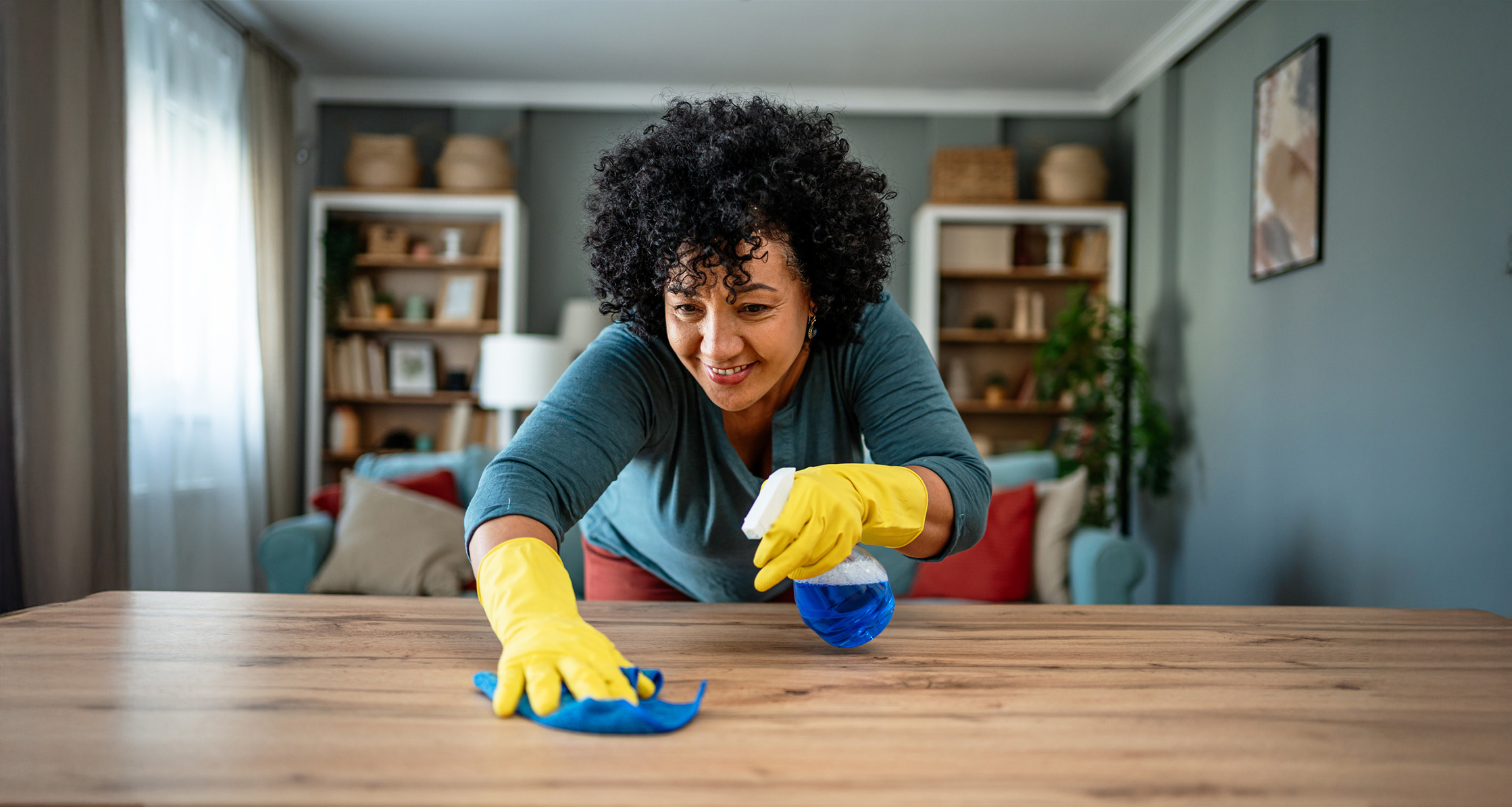
Having an effective routine to clean and disinfect your home is a great way to combat the additional exposure to germs and keep everyone healthier this fall season.
After a long summer of sun and fun, many people welcome the fall season, with its cooler temperatures, football games, and the chance to spend some time cozying up on the couch. But many of us end up catching colds or other respiratory illnesses during the fall. One reason for this is that germs spread more easily when we’re all inside together.
Having an effective routine to clean and disinfect your home is a great way to combat the additional exposure to germs and keep everyone healthier.
Tips for Cleaning and Disinfecting Your Home
- Clean regularly. Cleaning regularly can help you remove most germs, harmful viruses, and bacteria from the surfaces in your home. To be effective, it helps to have a routine. For example, every Saturday, make it your day to strip the beds and wash the towels. Each night after dinner, wipe down all the countertops in the kitchen, along with refrigerator handles and cabinet pulls. Another day can be bathrooms or vacuuming. You can search online for examples of cleaning schedules to help you create your own.
- Clean high-touch areas more
 frequently. Think about the things that get touched all the time by multiple people: doorknobs, light switches, remote controls, phones, faucets, toilet flush handles, and kitchen counters. These surfaces should be cleaned and disinfected regularly to prevent the spread of germs. Use disinfectant wipes or a spray to wipe them down.
 - Make cleaning easier. If cleaning feels overwhelming, you’re less likely to do it. Take the time to make it easier and eliminate unnecessary hassle. For example, leave a set of cleaning supplies on each floor so you don’t have to run up and down the stairs when it’s time to clean the toilets and sinks. Take time to declutter and find ways to store things like mail, newspapers, and other items that prevent you from easily wiping down areas of your home.
- Disinfect when you need to. Cleaning regularly is a great way to remove germs, but disinfecting can kill viruses and bacteria that remain on surfaces even after cleaning. This is important to do when someone is sick or if someone is at high risk of getting sick. There are many ready-to-use disinfectant wipes or sprays you can purchase, or you can create your own, like a bleach solution, for example. The American Cleaning Institute provides specific details about what and how to clean after someone in your home has a respiratory illness, a stomach virus, and more.
- Read the directions on your cleaning supplies. It’s important to take the time to read and follow the directions on your cleaning supplies to stay safe and ensure the products are effective. For example, most disinfectants have to sit on a surface for a certain amount of time to work properly. If you’re wondering about how your cleaning supplies affect your health or the environment, the U.S. Environmental Protection Agency offers a list of eco-friendly cleaning alternatives. In addition, household items like vinegar and baking soda can be used for a variety of cleaning tasks.
- Run a clean humidifier in your
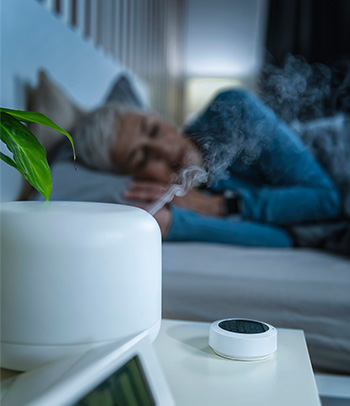 home. Studies show that viruses, especially flu, travel better when the air is dry, and colder temperatures mean dryer air. Running a clean humidifier may help dampen the air and restrict the transmission of these germs. In addition, when used properly, air cleaners and HVAC filters can help reduce airborne contaminants, including viruses. You can also open windows when the weather allows to let in fresh air, especially after someone has been sick.
 - Sanitize food prep areas. Whenever you’re handling raw meat, it’s not enough to just clean your surfaces. Foodborne illnesses, like E. coli and Salmonella, can spread if you don’t sanitize your food prep areas and kill any bacteria and germs left behind.
- Check your home’s safety features. Since you’ll be spending more time indoors, it’s important to check your home’s safety features as well. For example, make sure your smoke detectors are working and have your chimney swept and inspected before building any fires.
- Keep your hands clean. No matter how often you clean your home, if your hands aren’t clean, you can’t keep germs from spreading. Think about how many things your hands touch daily—door handles, your keyboard, your phone, food, bathroom surfaces, toilets, other people, and much more. When you touch your mouth, nose, or eyes, you’re likely to get some of these germs into your body. Make rules about everyone in your home washing their hands after coming home, before cooking, after using the bathroom, and more. Check out Healthy Homefront’s Hand-washing 101: Why It Matters for additional information on the importance of handwashing.
- Establish good hygiene habits. Your home is only as clean as the people in it. Establish good hygiene habits, like cleaning your hair and body regularly, to reduce your chance of getting sick or getting an infection. Check out Healthy Homefront’s The Importance of Good Hygiene for information and tips on establishing healthy hygiene habits.
- Take other precautions. Keeping your home clean can reduce the germs you’re exposed to, but there are several other ways you can help yourself stay healthy this fall season, such as getting recommended vaccines and seeing your health care provider regularly. Check out Healthy Homefront’s Stay Healthy This Flu Season for additional ideas.
Cleaning and disinfecting your home on a regular basis, along with other preventive measures, can help keep you and your family healthier this fall.