
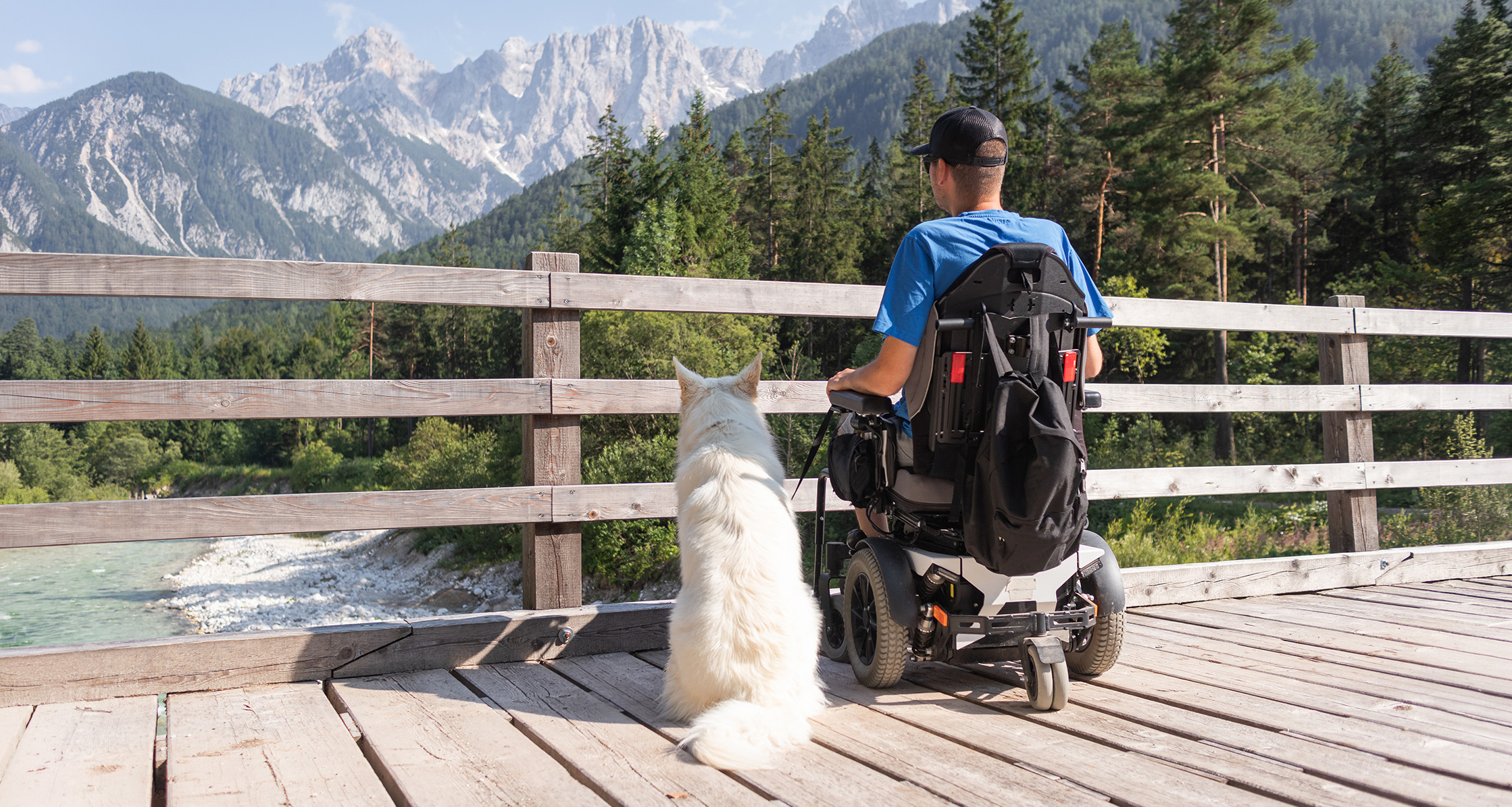
By making small lifestyle changes and reaching out for support, you can begin to make connections, build relationships, and get back to feeling like yourself.
Loneliness is on the rise in the United States and according to published research, more than half of all Veterans report feeling lonely. Whether it’s the transition back to civilian life, or a physical or mental health struggle that’s making it difficult to connect with others, there are steps you can take and support available to manage loneliness.
Learn more about loneliness, its health effects, and tips and resources to combat it.
Why Some Veterans Experience Loneliness
While every Veteran has a different story, there are certain common factors that can lead to becoming disconnected or isolated, including:
- The transition to civilian life – In the military, there is structure, routine, and a group of Service members around you with a shared purpose – a pre- established community. When you separate from the military you may think no one understands what you’ve experienced, or that you’ve lost your shared community. Many Veterans cite feeling misunderstood (no one understands their background or language), invisible (many believe society does not see or care about their service), and trouble relating (simple civilian concerns may feel trivial or hard to connect with after military experiences).
- A mental or physical health struggle – With post-traumatic stress disorder (PTSD), depression, and other mental health challenges, as well as physical ailments or injuries, it can feel safer or easier to isolate yourself.
- A lifestyle that doesn’t make it easy to socialize – If your health makes it hard for you to get out and meet others, if your home is in a remote area, or if you’ve recently gone through a divorce or separation from a partner, it can feel like you’re always going to be alone.
The Health Effect
The National Library of Medicine shares research that a person’s physical and mental health is connected to their social health and well-being. Both loneliness and social isolation can have negative effects on our health, including:
- Increased blood pressure and heart rate
- Higher levels of stress hormones
- Weakened immune system
- Higher rates of depression and anxiety
- Premature mortality
- Worsened lifestyle choices such as poor nutrition, smoking, and excessive alcohol use.
In addition, social isolation can make it difficult to do the things you’d normally enjoy and can affect your sleep, mood, and relationships.
Tips for Combatting Loneliness and Isolation
- Focus on others.
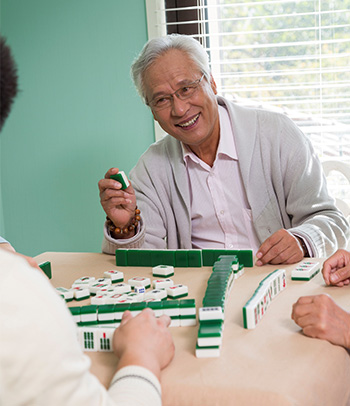 As a member of the military, your purpose was embedded in your work – serving your nation. When you separate from the military, finding another way to serve can boost your mood, provide purpose, and connect you with others. Find a volunteering opportunity, like visiting seniors, working with a Veterans service organization, or spending time at an animal shelter. Check out the article TriWest Employees Give Back in Meaningful Ways to get some inspiration.
 - Pursue a hobby or interest. Whether it’s working on cars, running, or another activity, get involved in a new hobby or restart an old one. You could take an online class or join a meetup group in your area.
- Spend time outside. Fresh air, natural light, and engaging with nature can boost your mood, help reduce mental health symptoms, and can often make you feel connected to something greater than yourself.
- Nurture your connections. Think about your current relationships and how you can make them stronger. Reach out to family and friends, say “yes” to an invitation from your neighbor, or use phone calls or letters if you’re in a remote area.
- Take the first step. When you’ve been isolated from others for some time, it’s hard to know how to reengage. Try the little things first. Have your coffee on the porch and say hello to your neighbor. Start a conversation with a coworker. Reconnect with an old friend from your time in the military.
- Get involved with
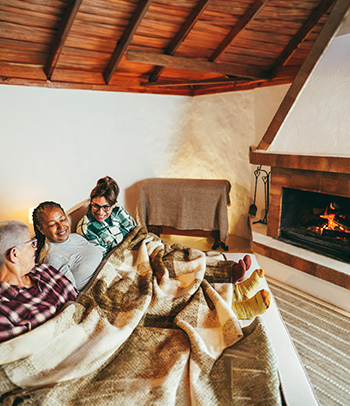 other Veterans. There are a number of Veteran-specific ways to reduce social isolation, including peer support groups, Veteran socials, and more. Sometimes having someone who has a shared history can help you feel like yourself again. Across the nation, many Department of Veterans Affairs (VA) locations have a social worker on staff. These individuals can help you get started, and there are several resources listed below.
 - Rethink your relationship with technology. Screens can provide easy ways to stay in touch and connect, but too much time online can lead to increased feelings of isolation, loneliness, and depression. Set healthy limits on your screen time and don’t let it interfere with your face-to-face relationships.
- Consider adopting a pet or spending time with animals. Animals can be a source of improved spirits, comfort, and friendship, and may help lower your stress levels.
- Make good lifestyle choices. Exercising regularly, getting enough sleep, and maintaining a healthy diet can all contribute to making you feel more energized and positive about your life.
- Get the support you deserve. Maybe you’re struggling with the transition to civilian life and don’t feel connected to your “old life” anymore. Maybe you’re dealing with stressful and upsetting memories that make it hard to enjoy social activities. You may need support to improve your social health. Consider joining a support group, getting therapy, or meeting with a counselor. Check out the resources below to get started.
Resources
- TriWest Healthcare Alliance offers many behavioral health resources, including Tools for Coping with specific barriers to healthy relationships such as PTSD, substance abuse, and more.
- VA can connect you to the support you need through a wide range of programs and services, including:
-
- Peer support groups – Connect with other Veterans who understand your experiences. For example, Veterans Socials are weekly 90-minute community gatherings that bring Veterans, their families, caregivers, survivors, or other supporters together in public spaces.
- Mental health support – Access evidence-based treatment to manage depression, anxiety, PTSD, and other conditions that may affect your social health.
- Compassionate Contact Corps – Get matched up with a trained volunteer for weekly phone calls or visits through the Compassionate Contact Corps. This YouTube video shares the experiences of a Veteran who says the program gives him a friendly voice to talk to every week that motivates him to stay engaged with family and friends.
- Resources for separating Service members – Connect with resources designed for Service members transitioning to civilian life, such as Solid Start. This VA program provides phone calls and outreach to Service members as they transition to civilian life.
- Veterans Crisis Line – If you or a Veteran you know is in crisis, contact the Veterans Crisis Line, available 24/7 for free and confidential support via phone or chat. Dial 988 and press 1.
- Make the Connection – Listen to other Veterans share their stories of overcoming loneliness.
- This recent Healthy Homefront® feature shares useful information on applying your military training to support mental health.
By making small lifestyle changes and reaching out for support, Veterans facing loneliness can begin to make connections, build relationships, and get back to feeling like yourself.