

With your military service and training, you have many skills ready to help you manage stress and stay mentally healthy.
During your time in the military, you trained and you drilled – and you may have served in – difficult, dangerous, and unpredictable environments. Whether during drill, a deployment, or in combat conditions, you were required to navigate challenges and get through stressful times.
Through your service, you developed skills that can be adapted to help you manage stressful situations and uncertainty in your civilian life, too. Civilian life often includes difficult career choices and transitions, stressful interviews, lengthy job searches, and more.
Discover how your military service, training, and skills can help support your mental health and enable you to thrive in the civilian world, too.
Your Military Service Background
Veterans know military service is strongly driven by structure, an expectation of duty, close camaraderie, and a clear purpose to guide you through whatever challenges come your way. However, when Veterans transition to civilian life – especially when it comes to employment – it can often feel very different.
As a Veteran, it’s possible you feel there’s not enough structure in your life or that your employment doesn’t provide you with a clear purpose. For many, the transition from military service is not a single event – such as a new job – but it’s a lengthy process. It includes acclimating into a new environment, adjusting to your new place and mission, identifying your needs and support resources, and learning to thrive. It can be mentally challenging and will likely not be seamless as you try to succeed in your new mission.
No matter how mentally challenging it seems, the same skills you developed during military service can help you manage stress and uncertainty as you transition to life as a Veteran.
- Discipline – The moment you entered military service, discipline became a key component of your training and mindset. You can use your acquired discipline to stay focused, complete tasks (such as submitting job applications, following up on leads, and more), and continue to pursue rewarding employment. Instead of letting the stress of civilian life uncertainty weigh you down, you can apply your discipline to stay focused and keep moving forward.
- Adaptability – In military service, you’re often required to adapt to different situations quickly and successfully, even when the circumstances are challenging. Apply this adaptability to situations that may arise now, including an unexpected layoff, a new boss or manager with different expectations, or a question you weren’t prepared for during an interview. Quick thinking and flexibility can enable you to thrive during difficult moments.
- Resiliency – Being mentally resilient and overcoming obstacles is nothing new to Veterans. Even after the toughest days, you couldn’t remain in bed, hide away, or give up. You were required to report to duty daily, even on the hardest days. Place the same importance on maintaining mental health resiliency when you’re tested in civilian life. You weren’t hired for the job? The interview didn’t go well? Your resilience can keep you moving forward.
- Problem-solving – In military service, you’re often expected to address difficult problems and find solutions. While in civilian life the problems may be different, the skill to solve problems is the same. If you’re struggling, it’s time to problem-solve. What is it going to take to make me feel better or successful? What do I need to solve the source of my stress?
- Structure and routine – Military service teaches you to perform within structure and routine, and this same reliance on order can help you during uncertain times. During your civilian career transition if you feel overwhelmed or worried, give yourself structure and routine. Establish a set wake-up and bedtime, list tasks or projects to achieve, and the times to do them. An established routine can provide stability when challenges in your work life may feel out of your control.
- Mental Health Fitness and Focus – You may not have often considered these skills in military service, but you practiced them regularly. Examples include when you had to stay ready and focused on the present and not dwell on things back home, or when you took private moments to calm yourself in a stressful situation. The skills to initiate, apply, and maintain mental fitness can be adapted to civilian life, too. Mental and physical readiness can be sustained and reinforced by employing exercise in your civilian life to relieve your stress as well. Additionally, your mental fitness can be improved and maintained through several helpful mindfulness techniques to manage stress on the Department of Veterans Affairs (VA) LiveWholeHealth site.
- Identity and purpose – Your purpose and mission-driven expectations during military service got you through tough times, and they can do the same in civilian life. Re-establishing your purpose can help you navigate stress and deal with challenges that arise. If your job isn’t what you’d hoped for, or if you’re searching for a new role, you may have to find another purpose to keep you moving in the meantime. It can be priorities such as your family life, a monetary goal, a health goal, and more.
TriWest Partners with VA to Support Transition to Veteran Status
TriWest Healthcare Alliance (TriWest) encourages transitioning Veterans to access available support and resources to help sustain a well-rounded, balanced, and satisfied life. TriWest’s Behavioral Health web page offers a resource and coping tools for Veterans in need of mental health support.
In addition, TriWest’s Mental Health Medical Director, Dr. Chris Warner, shares established clinical insights and tips to help build and maintain resiliency skills in transition to life as a Veteran. He emphasizes:
- Recognize that transitioning to Veteran life is a process. It’s not an event and it’s not a set date. It can take months or even years to achieve so remember to be patient.
- Unlike military service where you routinely receive orders, your Veteran transition requires you to solve and act individually including how to best meet your needs. Numerous organizations are available to guide Veterans and families through this transition, including employment guidance, and don’t be afraid to reach out for support.
- Separating from service can initially bring loss of identity, connection, and even prestige. Fully separated Veterans will need to gradually merge their transition into new identities with new friends, new employers, including with those who have not served.
- It’s critical to avoid confusing that because you served your nation, you are entitled to certain career advantages. You are entering a new environment where others have different experiences that they also bring to the workplace. Life is competitive, and you must learn to leverage your military experience to adapt it to your new environment. You may start in lower positions, but it’s important to believe in yourself and that you can soon be identified as a high performer for advancement.
- It is extremely helpful that each transitioning service member have a job offer upon separation. Not a plan to get a job, but an actual role. Most Veterans can allow themselves a few months off, but not a few years. The longer you are unemployed, the harder it becomes to land a well-paying and meaningful job.
Dr. Warner also emphasizes that it is important for Veterans to take advantage of the resources available to them if they are struggling in their transition from military service.
“There are many programs and resources available to Veterans that TriWest supports to help promote Veteran resiliency and transition. As a partner with the Department of Veterans Affairs to serve and support Veterans as they navigate challenges in the civilian world we help spotlight programs that make a difference in mental health resiliency and a successful transition from military life,” Dr. Warner says.
“VA’s Mental Health program has a web page specifically designated for Veterans Transitioning From Service, as well as a program for educational and career counseling services for eligible recently separated Veterans and their family members. These important VA programs and resources are excellent starting places as service members begin their journeys from military life. For maintaining resilient mental health, forward planning is essential,” he emphasizes.
More Mental Health Management Tips
With a military service background, you have many skills ready to help you manage stress and stay mentally healthy. In addition to those skills, here are some other tips to consider:
- Find new ways to serve
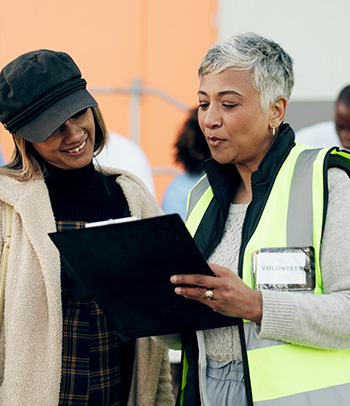 or contribute. Reframe your sense of purpose and mission to something new. Some Veterans may feel disconnected or aimless after leaving military service, but you can find other ways to serve, including volunteering, joining causes that support other Veterans, and more.
 - Build meaningful connections. Camaraderie is a big part of military life and it can be isolating without it. Reestablish connections – with fellow Veterans, friends, and family members. Many Veterans find connecting with other Veterans can provide a sense of belonging and shared understanding that may be missing in civilian life. Contact VA to find a peer support group near you.
- Prioritize your wellness. Create healthy daily routines that include exercise, proper nutrition, and adequate sleep. These priorities and habits can contribute significantly to your mental and physical well-being.
- Access available support. If you find yourself struggling to manage stress or get your life on track, support is available. Consider the information and resources below.
Additional Important VA Mental Health Resources
- Veteran Crisis Line offers 24/7 crisis counseling for Veterans, military members, and their families.
- VA mental health services provide a wide range of treatment options to help meet your needs, including individual counseling, group counseling, peer support groups, medications, and more.
- Make the Connection shares stories from fellow Veterans who have navigated many of the same concerns you may be feeling, including transitioning from service, work-related problems, aging, and more.
Your military service background, along with the resources designed to support you, can provide you with the tools you need to thrive in your transition to life as a Veteran.