

Because STIs are so easily spread and don’t always have symptoms, it’s important to understand how to reduce your risk for infection.
Sexually transmitted infections (STIs) are common and increasing in the United States. According to the Centers for Disease Control and Prevention, about 1 in 5 adults had an STI in 2018, and there are more than 20 million estimated new cases in the United States each year. Many STIs can be prevented, but they often spread easily and may not cause symptoms.
What Are Sexually Transmitted Infections?
STIs are infections that are spread from one person to another by sexual contact. STIs can be passed to others through contact with skin, genitals, mouth, rectum, or bodily fluids, including vaginal sex, anal sex, or oral sex. Common STIs include chlamydia, gonorrhea, syphilis, human immunodeficiency virus (HIV), and human papillomavirus (HPV). HPV is the most common STI in the U.S. and can cause cervical and anal cancer.
STI is the most up-to-date term for what many people used to call sexually transmitted diseases. Health care providers switched to STI because “infection” is a more accurate word.
What are the Symptoms of STIs?
Many people with STIs do not have symptoms, and people may not even know they have one. STI symptoms may include vaginal or penile pain, discharge, rashes, sores, and warts. Without treatment, some STIs can result in more serious health issues, such as chronic pain, certain types of cancer, organ damage, or infertility.
How Can You Lower Your Risk of Getting an STI?
There are several proven ways you can reduce your risk of getting an STI: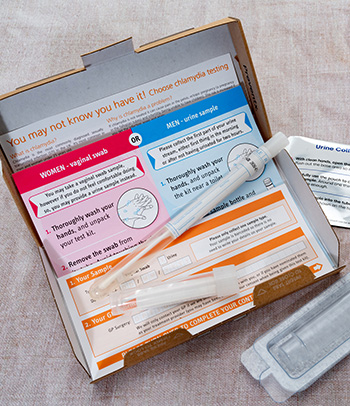
- Get tested regularly. Many STIs do not cause symptoms, so getting tested regularly is one of the most important things you can do to protect your health. The United States Preventive Services Task Force recommends screening for chlamydia and gonorrhea in all sexually active women under age 25, and in older women at increased risk. HIV screening is recommended for everyone ages 15 to 65. Screening for hepatitis B is recommended for those at higher risk. Talk to your health care provider about how often you should be tested. Find an STI testing center near you.
- Know your risk level. Having multiple or anonymous sexual partners increases your risk for STIs. Being in a monogamous relationship with a partner who is getting tested alongside you poses much less risk for infection.
- Talk openly about STIs and sexual health. For many people, there is a stigma attached to talking about STIs and sexual health. Some people are afraid to talk honestly about their sexual history with their partners, leaving them open to spreading infections. Others skip testing because of confidentiality concerns or fear of others finding out. Others may just be embarrassed to talk about sex in general. But the more you know about your body and your partner’s, the more control you have over your health.
- Use a condom. Using a condom every time you have vaginal, oral, or anal sex reduces your risk for infection. Condoms act as a barrier to prevent the spread of infections through bodily fluids. Bodily fluids can carry STIs, so having unprotected sex with an infected person without a condom poses a high risk.
- Consider medicine for protection against HIV infection. Multiple medications are available to protect against HIV infection. HIV pre-exposure prophylaxis is a medication that is highly effective at preventing HIV infection for people at risk. HIV post-exposure prophylaxis is medication used to prevent HIV in emergency situations after a possible exposure.
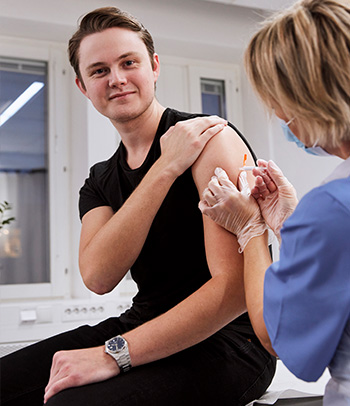
- Get vaccinated. Vaccines are the most powerful method for infection prevention. Vaccines are available and recommended for some people to prevent hepatitis B and HPV. For Veterans, vaccines are available through the Department of Veterans Affairs that can help prevent certain STIs, including HPV, hepatitis A, hepatitis B, and Mpox. TRICARE also recommends getting the hepatitis B and HPV vaccines to keep yourself protected.
What If You Think You Have an STI?
 If you have symptoms or think you may have been exposed to an STI, talk to your health care provider about testing and treatment. Most STIs can be treated effectively, and early treatment can prevent serious health problems.
Key Takeaways
- STIs are common and often have no symptoms.
- Regular testing and honest communication are important for prevention.
- Using condoms and getting vaccinated are proven ways to lower your risk.
- Effective treatments are available for most STIs.
- For more information or to schedule testing, contact your health care provider.
If you want to learn more about STIs or think you may have one, talk to your health care provider about testing, treatment, or additional steps you can take to improve your sexual health.