
By making small changes, you can turn your home into a supportive, nurturing space tailored to meet the needs of your child!
For children with autism spectrum disorder, or autism, the world can feel extremely loud, bright, and overwhelming. Everyday sights, sounds, smells, and textures can cause distress due to their sensory processing differences.
To help children navigate these differences, parents can make small changes to their homes and daily routines to support their children and help them thrive.
Learn more about sensory processing differences and how to create a sensory-friendly home for your child.
Sensory Processing Differences Explained
Sensory processing differences affect up to 90% of individuals with autism. Autism affects sensory processing by causing the brain to over- or under-react to sensory input. This can result in severe discomfort from lights, sounds, or textures (hypersensitivity) or a need for intense stimulation like spinning or pressure (hyposensitivity). Most people with autism have some combination of the two.
- Hypersensitivity – For children with hypersensitivity, experiences are intensified, making mundane input, such as loud noises, bright lights, strong smells, and different textures in foods and clothing, painful or overwhelming.
- Hyposensitivity – For children with hyposensitivity, there is a reduced sensitivity to stimuli, which can result in high pain tolerance, an inability to detect temperature changes, reduced awareness of bodily functions, or a desire to seek out intense experiences.
Each person with autism is unique, and this includes their unique sensory sensitivities, which can range from mild to severe and manifest in different ways. For example, children experiencing sensory overload may panic, cover their ears or eyes, or have a meltdown from overwhelming emotions or the desire to escape a situation. Other children may actively seek out sensory input to feel regulated and respond with actions such as rocking, repetitive movements or noises, hand flapping, or jumping.
Tips for Creating a Sensory-Friendly Home
Making a home comfortable for your child with autism involves creating a safe, predictable, and sensory-friendly environment that reduces stress and minimizes overstimulation. If their home environment is filled with uncomfortable sights, sounds, and textures, it can affect everything, including their mood, sleep, and behavior.
By making small changes,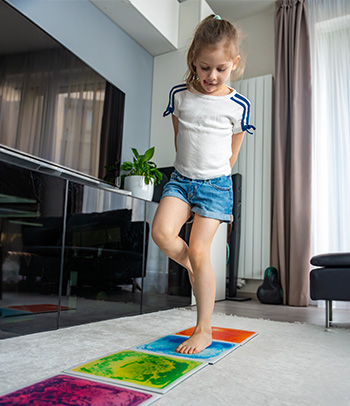 you can turn your home into a supportive, nurturing space tailored to meet the needs of your child!
- Make it your own. No two children with autism are alike. Some crave stimulation; others avoid it. Some love soft textures, while others prefer smooth or cool ones. The most important thing is to observe, listen, and involve your child in creating an environment that works best for your child’s specific needs and preferences.
- Start small. Creating a sensory-friendly home doesn’t mean a full renovation. Focus on one space or room that can serve as a safe place to go when your child feels overwhelmed. Even small changes, like switching out lightbulbs, removing clutter, or adding a cozy blanket to a space, can have a big effect on how your child experiences it.
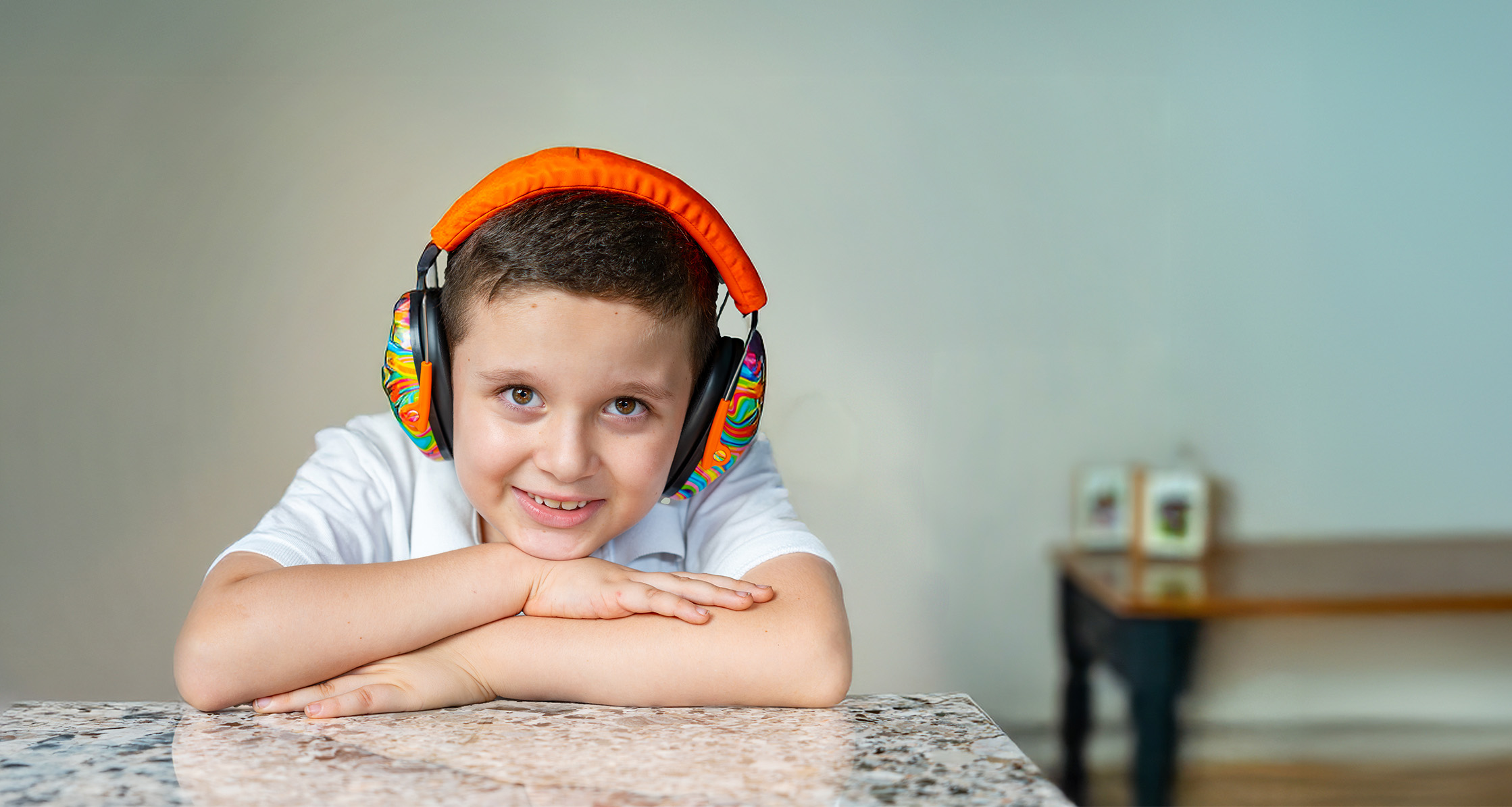
- Offer headphones or a quiet space. Every day sounds like vacuums, blenders, or neighborhood traffic can feel overwhelming or painful for children with auditory sensitivities. Noise-canceling headphones can help in loud moments, whether at home or in another noisy environment. In addition, soft furnishings, like rugs, curtains, or cushions, can help to absorb noise. A quiet zone in your home, like a tent or fort, for example, can also become a safe place for your child to decompress.
- Replace fluorescent or bright lights with softer ones. Fluorescent lights are often harsh and can hum or flicker, so finding ways to use soft, natural lighting can be helpful. Let your child help choose lighting setups they find comfortable. Think about adjustable lamps, warm-toned bulbs, dimmable lights, or string lights.
- Avoid strong smells. Strong smells from cleaning products, air fresheners, or even certain foods can feel overwhelming to a child with sensory sensitivities. Stick to fragrance-free or low-scent options whenever possible. Let your child smell different products to identify which ones they find pleasant or want you to avoid altogether.
- Incorporate sensory-friendly materials throughout your space. Figure out what textures work well for your child and incorporate them throughout your home. Items like weighted blankets, soft rugs, tagless clothing, or sand, clay, or water beads for play can be helpful, whereas scratchy fabrics, tags, or tight clothing may cause distress. In addition, some kids need sensory input in the form of movement or deep pressure. Consider items like crash pads, bean bag chairs, wobble stools, swing chairs, and mini trampolines to allow motion, or resistance bands, squeeze balls, and fidget toys for hands-on sensory engagement.
- Minimize clutter. To avoid visual stress, keep your play spaces organized and free from clutter. In addition, try using clear or labeled bins or visual charts showing where items belong to make it easier to find things and to make it less stressful to clean them up.
- Provide structure.
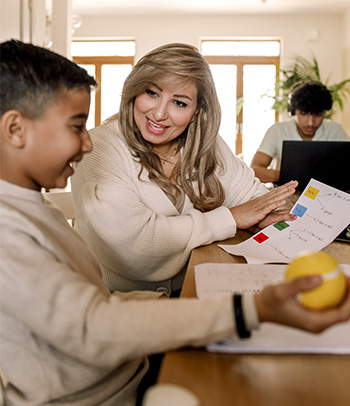 Predictable and understandable routines can help reduce feelings of anxiety. Incorporate visual aids like calendars and printed or picture schedules to give your child a clear idea of what’s expected and what’s coming next. You can post these in an easy-to-see spot, like the fridge or a bedroom wall.
 - Make transitions as smooth as possible. Sudden changes and unexpected moments can be extremely unsettling for children with autism. Try to stick to a schedule when possible, and give warnings and updates about what’s coming next. Use countdown timers and visual reminders.
- Expand on what works. If you’ve found something that works well at home, share it! Maybe your child’s teacher could use something similar in the classroom, or maybe you can stock a few items in your car or at a family member’s house, so that your child has familiar and comforting items in many places.
Resources
- TRICARE covers many services for beneficiaries with autism, including occupational therapy, physical therapy, psychological services, speech therapy, and more. TRICARE also covers applied behavior analysis through the TRICARE Comprehensive Autism Care Demonstration.
- Military OneSource offers several services to help families navigate the challenges of raising a child with special needs, including assisting with special education, financial planning, child care, and much more.
- Autism Speaks has a wide range of resources and information, including a toolkit on adapting your child’s environment, information on how different therapies like occupational or speech therapy can help with sensory issues, an Autism-Friendly Events calendar, and more.