

“Nutrition plays a key role in supporting your body’s natural healing process and overall well-being.” – Jen McKinney, Dietitian and Health Coach, TriWest Disease Management Department
“Let food be thy medicine and medicine be thy food.” This famous phrase, often attributed to the ancient Greek physician Hippocrates, has become popular in mainstream medicine with the rise of a movement called “food as medicine”— a unique health care intervention that teaches you how to use nutrition to treat and prevent chronic disease and reduce your reliance on medications.
While it is not a replacement for conventional medicine or medications, “food as medicine” is an important component of holistic health care. Through this approach, your doctor and a dietitian, working together with you, will guide you on the path to eating the right foods for your specific health needs. A variety of national programs, like medically tailored meals, medically tailored groceries, and nutritional counseling make it easier for you to integrate nutritious foods into your daily life.
“I’m optimistic about the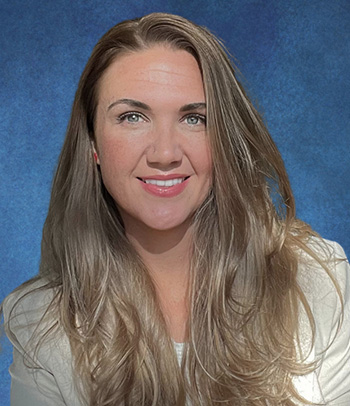 growing role of ‘food as medicine’ in health care because chronic diseases are on the rise,” says dietitian Jen McKinney, a health coach at TriWest Healthcare Alliance (TriWest). “At the same time, people are looking for ways to take a more active role in managing their health. While medications remain an important part of treatment, nutrition is one area where you can make meaningful choices that influence your long-term risk of chronic disease.”
Nutrition plays a key role in supporting your body’s natural healing process and overall well-being, she says: “It’s a powerful lever you can pull to influence your health.”
“Genetics, environment, sleep, movement, and stress all matter, but nutrition is one area where you can make daily changes,” she said. “Take type 2 diabetes for example. Research strongly supports plant-based dietary patterns for diabetes prevention and management. Many people living with type 2 diabetes have a strong family history and may feel that progression of the disease is inevitable. And while genetics matter, nutrition can significantly influence your health trajectory. Rather than simply cutting carbohydrates, you could focus on the types of carbohydrates consumed and how they’re paired with other foods. Increasing non-starchy vegetables and fiber-rich foods such as leafy greens, beans, lentils, berries, nuts, and seeds can help slow digestion, support gut health, improve fullness, and reduce inflammation. These effects work together to support blood sugar regulation and overall metabolic health.”
Through nutrition counseling, dietitians assess dietary patterns, identify nutrition-related risk factors, analyze relevant lab work, and develop individualized plans that support both your symptom management and long-term health outcomes. Registered Dietitian Nutritionists (RDNs) are health care professionals specifically trained in nutrition science and medical nutrition therapy. They work with you to create personalized eating plans that support your health goals and help manage chronic conditions.
If your current environment makes it difficult for you to access a variety of healthy foods, due to physical or financial barriers, medically tailored meals are available through the “food as medicine” approach. These meals are designed for high-risk patients by dietitians; they are fully prepared and home-delivered to meet your specific needs.
Overall, the “food as medicine” model shows promise in improving diet quality and food security, with emerging evidence for improved patient outcomes. This has led the U.S. government to establish the National Food as Medicine Act in 2024 to secure grants and programs for integrating nutritious food into health care. Pilot programs are offered by the Department of Veteran Affairs in select areas of the country (Texas, Utah, New York, North Carolina, and Maryland) and nutritional counseling is offered through TRICARE for all beneficiaries. For civilians, “food as medicine” is a benefit in many private insurance policies, as well as Medicare Advantage and state Medicaid programs.
Small Steps, Big Health Wins: Your Bite-Sized Guide
According to nutrition science research, the best diet for preventing chronic disease emphasizes whole, plant-based foods, including vegetables, fruits, whole grains, nuts, seeds, and legumes (minimal processed foods). But before making any major dietary changes, you should always consult your health care team, especially if you are taking medications for diabetes or blood pressure.
Dietary plans can help you prioritize whole foods (foods in their most natural state), emphasize the consumption of plants and healthy fats, and increase fiber and water intake. While a “food as medicine” program is generally tailored to the individual with the help of an RDN, common health-promoting food groups include:
- High-fiber foods: Beans, whole grains, and lentils to promote gut health and regulate metabolism.
- Prebiotic foods: Garlic, onions, bananas, and asparagus to support the immune system and digestion.
- Cruciferous vegetables: Broccoli and kale support detoxification pathways and have potential anti-cancer properties.
- Fermented foods: Sauerkraut and kimchi provide probiotics to strengthen the gut-immune connection.
- Anti-inflammatory foods: Turmeric, ginger, berries, and leafy greens (kale, spinach) known for anti-inflammatory and antioxidant properties.
- Healthy fats: Seafood and nuts rich in Omega-3 fatty acids to improve heart health.
“It’s important to remember that you don’t have to follow these eating patterns perfectly to see benefits,” explained McKinney. “You can gradually increase plant foods and whole foods in your diet to improve your health over time.”
Don’t worry about overhauling your kitchen overnight; start by replacing one processed item with one whole food alternative. Focus on cooking at home, eating intuitively, and making small, sustainable swaps over time rather than a quick, restrictive overhaul.
“One barrier I see in practice is what we sometimes call a ‘Monday mentality’—the idea that healthy eating has to start with a clean slate and a perfectly planned diet,” McKinney explained. “In my experience counseling patients, many people feel they need to have everything in place before they begin—meal plans, groceries—and perfect adherence. When life inevitably gets busy and things don’t go as planned, it can feel like failure and lead to starting over again. A more sustainable approach is to move away from perfection and focus on consistency. Small, realistic changes, and learning from setbacks, can help you build healthier habits over time.”
Every meal is an opportunity to invest in your health! Choose foods that heal.