
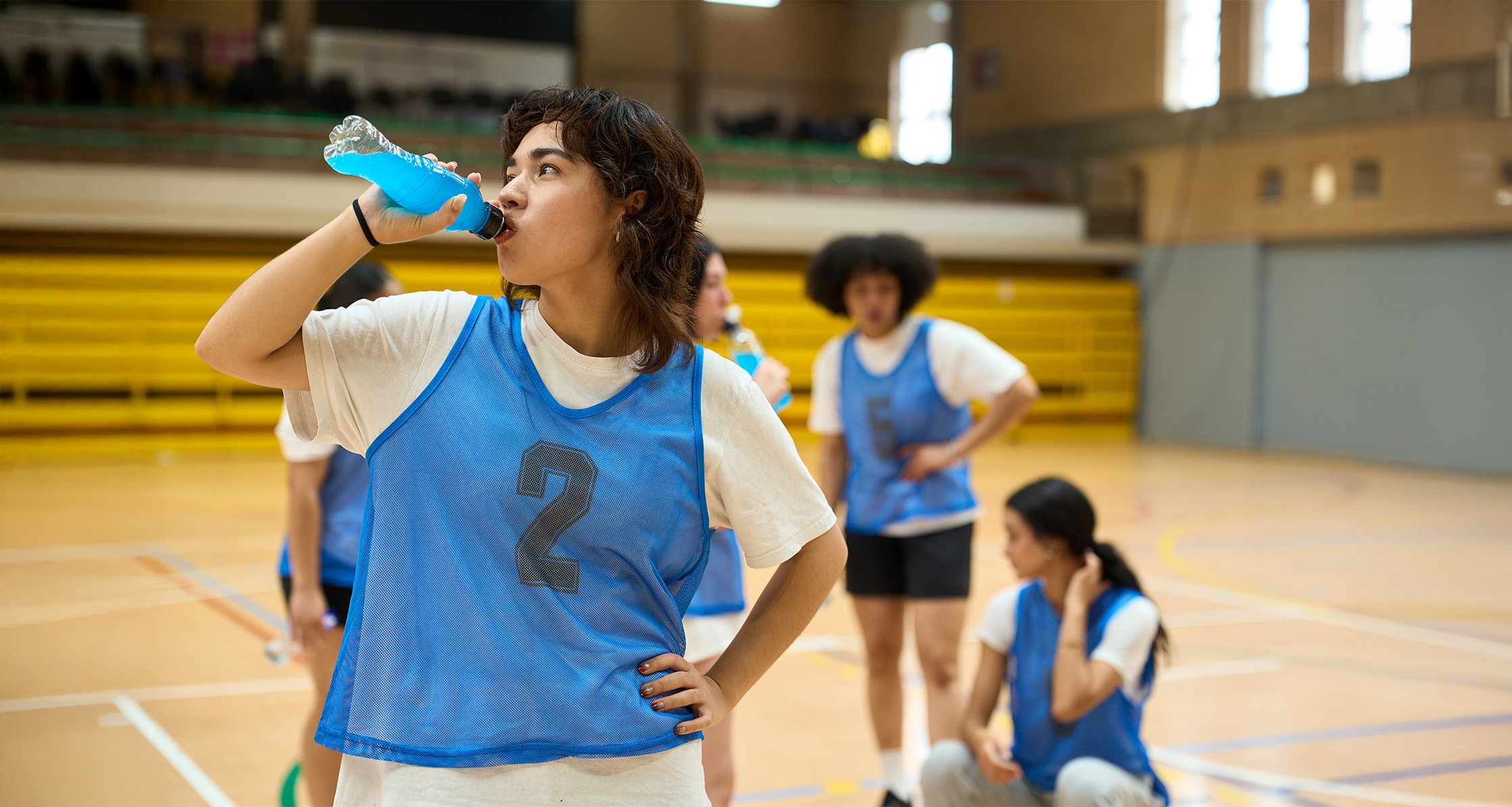
Energy drinks contain high levels of caffeine, sugar, and other additives that may have negative effects on your child’s health and wellness.
With brightly colored packaging and popular flavors like cherry limeade and orange creamsicle, it would be easy to assume that energy drinks are made for kids. And the marketing seems to be working, with 31 to 34% of 12- to 24-year-olds reported to consume them regularly.
Although these energy drinks are marketed to young people, it doesn’t mean they’re good for them. Energy drinks contain high levels of caffeine, sugar, and other additives that may have negative effects on your child’s health and wellness.
Learn more about energy drinks, the effects they can have on your health, and some steps you can take to teach your kids about them.
What Are Energy Drinks?
Energy drinks are beverages that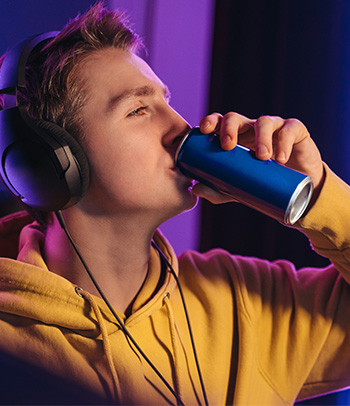 are marketed to boost energy, stamina, athletic performance, and focus. The drinks usually contain high levels of sugar, caffeine, and other legal stimulants such as guarana, yerba mate, taurine, and ginseng. Energy drinks are widely available and can be purchased at grocery stores, convenience stores, gas stations, vending machines, and even inside some school stores and cafeterias.
What Are the Effects of Energy Drinks on Your Child’s Health?
The American Academy of Pediatrics recommends that adolescents not consume energy drinks at all due to the high levels of caffeine. Guidelines recommend that teens limit intake to 2.5 mg/kg per body weight a day (approximately 100 mg/day for a typical teenager). Children 12 and under should consume minimal to no caffeine. No amount of caffeine is proven safe for kids 12 and under.
The U.S. Food and Drug Administration doesn’t regulate the amount of caffeine contained in energy drinks, which are classified as dietary supplements. Many energy drinks contain 2 to 4 times the caffeine concentration permitted in soft drinks, and far more caffeine than what’s considered safe for children and adolescents.
Even infrequent energy drink consumption is associated with various negative health indicators in adolescents. The potential dangers of energy drinks include:
- Dehydration
- Anxiety (feeling nervous and jittery), hyperactivity, inattention, poor decision-making
- Insomnia or difficulty sleeping
- Behavioral or mental health issues, such as increased aggression, anxiety, or depression
- Diarrhea
- Seizures
- High blood pressure
- Rapid breathing
- Heart complications (irregular heartbeat, increased heart rate)
Studies have also shown that a single energy drink can significantly increase 24-hour blood pressure in healthy children and adolescents. In addition, over time, these drinks can increase the risk of weight gain, cavities, heart disease, and diabetes due to the high amounts of sugar in many of them. Research shows that energy drink consumption in adolescents is strongly associated with other health-compromising behaviors, including smoking, alcohol use, short sleep duration, and poor academic performance.
What Steps Can I Take to Teach My Kids About Energy Drinks?
- Talk to your kids
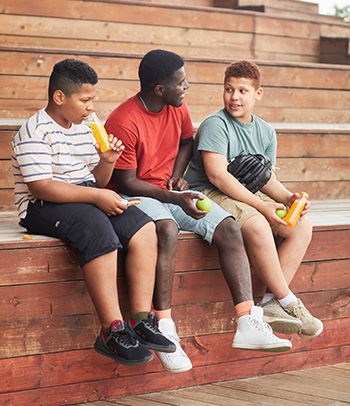 about energy drinks. Many young people may not understand the potential effects of these drinks on their health. Some may assume that because they are sold in vending machines or at school, they’re meant for people their age. Explain the high amounts of caffeine, the unregulated stimulants, and the high amounts of sugar. You can search for information together like “What is the difference in caffeine between a can of soda and an energy drink?” or “How much caffeine does one bottle of (my favorite) energy drink have?”
 - Make it clear to your athlete. If your child thinks an energy drink is necessary to help boost energy for athletic performance, make the facts clear. The National Federation of State High School Associations states that young athletes should not hydrate with energy drinks. In addition, it’s important to explain to your athlete that sports drinks and energy drinks aren’t the same. Sports drinks contain electrolytes and sugar to rehydrate athletes after a workout. Energy drinks contain stimulants and claim to “provide energy.”
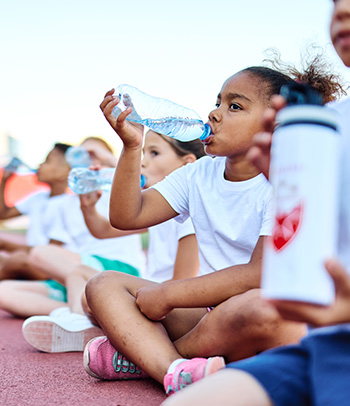
- Provide healthy alternatives. Be sure your kids have healthy things to drink around the house, at meal time, for school, and during sports and other activities. Water is the healthiest way to rehydrate for most youth physical activity, as typical children’s sports rarely result in significant electrolyte loss. For prolonged, intense athletic activity, sports drinks containing carbohydrates and electrolytes may be beneficial. The American Academy of Pediatrics also provides a recipe for homemade sports drinks (one-third cup of fruit juice, two-thirds cup of water, and a dash of salt) as an alternative to commercial products.
- Model the behavior.
 If your kids see you downing coffee, soda, and energy shots to stay awake throughout the day, they’re going to assume that’s how it’s done. Instead, model healthier options. Drink water as a way to quench your thirst and make fun flavored water recipes to keep in the fridge. If you do enjoy soda, do it as a treat, not a regular part of your diet.
 - Check nutrition labels. Nutrition labels can be a great tool for you and your kids to start learning more about nutrition. Start by looking at them together for foods and drinks you consume regularly. With energy drinks, check the ingredients list (which ingredients contain additional amounts of caffeine?), the amount of added sugar, the amount of caffeine listed, and the serving size.
- Address underlying issues. Instead of banning energy drinks without any discussion, talk to your kids about why they’re consuming them. What are they trying to address with the caffeine jolt? Are they having trouble sleeping at night? Are they struggling to concentrate at school? Are they using it to improve athletic performance? Regardless of the reason, you can begin to address it with healthier strategies. You could work on your child’s sleep habits and nightly routine, making sure screens are off an hour before bedtime. You could take a closer look at their daily diet. The quick boost from these drinks isn’t sustainable or healthy and can be found instead with a well-balanced diet that contains adequate protein. Regular physical activity is another way to improve focus and concentration and boost endurance and energy levels. If your child continues to have fatigue and poor concentration even after these lifestyle changes, make an appointment with their primary care provider for additional advice.
Resources
- TRICARE offers several resources designed to support you and your family’s health and wellness goals, including parenting resources starting from pregnancy, as well as other health and wellness services.
- Military OneSource also has several resources for parents and families. You can schedule a free health and wellness coaching consultation to learn more about nutrition and your family’s health.
- The Department of Veterans Affairs provides several nutrition-related resources for Veterans and their families, including healthy cookbooks and recipes, cooking videos and demonstrations, as well as access to registered dietitian nutritionists who can help you and your family meet your nutrition goals.
Pairing proper nutrition, exercise, and good sleep with the facts about energy drinks can help you and your children make better choices for their long-term health.