
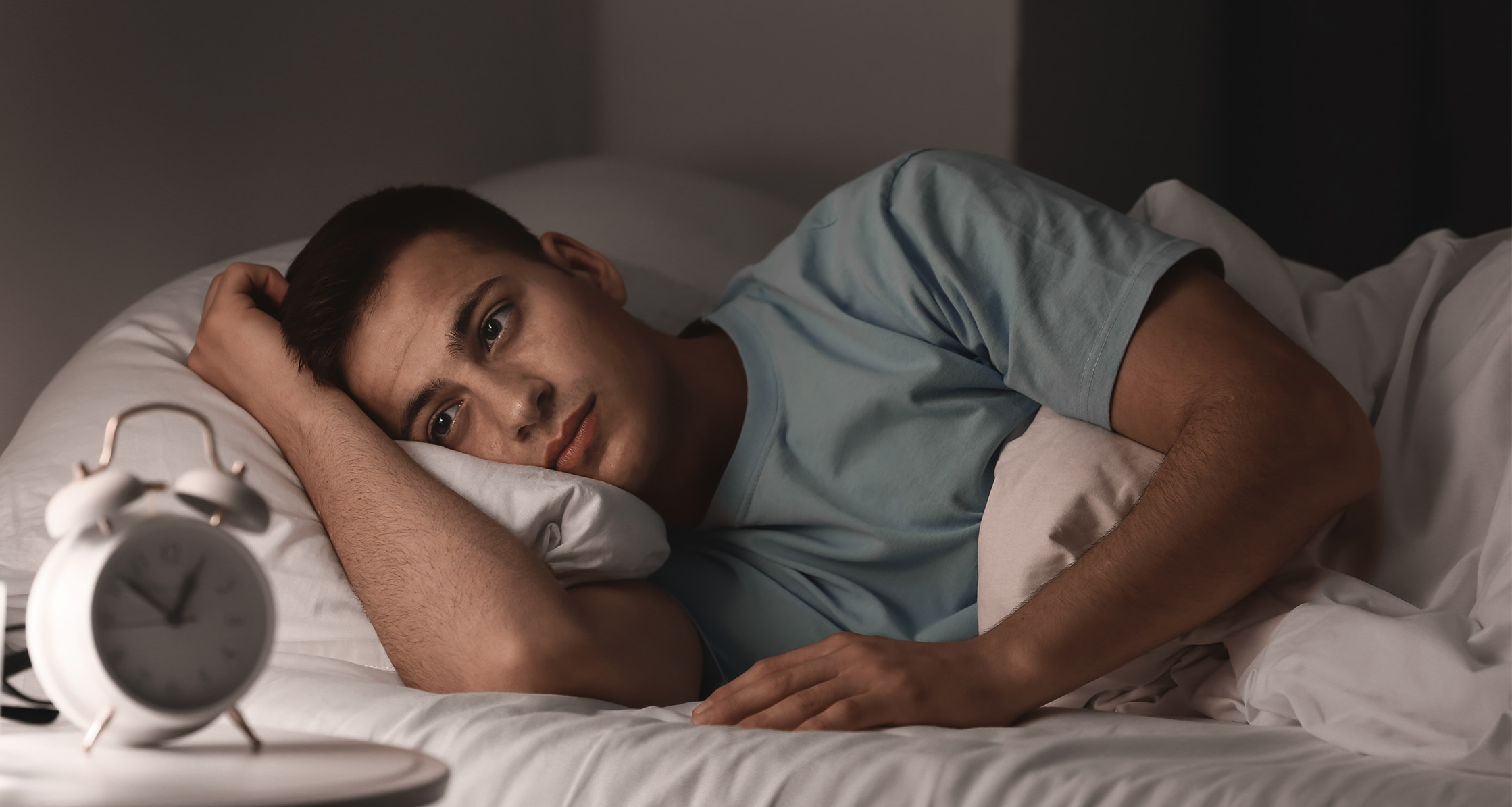
Research shows that not getting enough sleep can put many people at risk for many chronic health problems, including heart disease, high blood pressure, obesity, and more.
A good, restorative sleep is essential to our health and well-being, but according to the Centers for Disease Control and Prevention (CDC), about 1 in 3 adults report not getting enough sleep every day, and the numbers are even higher for Veterans and members of the military community.
One reason for this is insomnia, or the inability to fall or stay asleep. Although many people assume we can get by on little sleep without consequence, research shows that not getting enough sleep can put us at risk for many chronic health problems, including heart disease, high blood pressure, obesity, and more.
Learn more about insomnia, the effects it has on our health, and tips on how to overcome it.
What Is Insomnia?
Insomnia is a  common sleep disorder that can make it hard to fall or stay asleep. It can also cause you to wake up too early and not get back to sleep. Insomnia symptoms may include:
- Having a hard time falling asleep
- Waking up during the night or too early in the morning
- Feeling tired or sleepy during the day
- Feeling cranky, depressed, or anxious
- Having a hard time paying attention or focusing on tasks
- Making more errors or having more accidents
- Having ongoing worries about sleep
What Are the Causes of Insomnia?
The CDC says insomnia affects your ability to achieve the amount of sleep your body needs and can happen for a variety of reasons. Common causes of insomnia can include:
- Stress – Concerns about your finances, work, or your family can keep your mind racing, making it hard to fall asleep. Stressful events like divorce, reintegration, or job loss can also lead to insomnia.
- Changes to your schedule – Our bodies use an internal clock, or circadian rhythm, to guide our sleep-wake cycle. A change in your work schedule or traveling between time zones may disrupt your natural sleep rhythm and cause insomnia.
- Your sleep routine – If you don’t have a healthy sleep routine, you may have trouble falling asleep. Going to bed and waking up at different times each day, taking long naps, eating or looking at screens too close to bedtime, can all disrupt your sleep cycle.
- Poor sleep environment – If your sleep environment is too warm, too bright, or too loud, it can affect your ability to fall and stay asleep.
- Caffeine, nicotine, and alcohol – Caffeine and nicotine are both stimulants and can prevent you from falling asleep. Alcohol may help you fall asleep initially but can disrupt your sleep throughout the night.
- Medications – Many medications can interfere with sleep, such as certain antidepressants, asthma medicines, and blood pressure medication. Some over-the-counter medications for pain, allergies, and colds contain caffeine and other stimulants that can disrupt sleep as well.
- Other health conditions – Respiratory problems, digestive disorders, thyroid issues, and heart disease have all been linked to insomnia. In addition, insomnia often occurs as a symptom of mental health conditions, such as anxiety, post-traumatic stress disorder (PTSD), and depression. The U.S. Department of Veterans Affairs (VA) says Veterans and military members develop insomnia at a higher rate than the civilian population. Research shows that PTSD, traumatic brain injury, and chronic pain can lead to insomnia.
What Effects Can It Have on My Health?
Whether it’s a lack of energy or the inability to focus the next day, most of us have felt the effects of a bad night’s sleep. But according to Johns Hopkins Medicine, a lack of sleep regularly can have more serious consequences on our physical and mental health, including:
- Low energy, fatigue
- Affected mood
- Slower reaction time
- Weakened immune system
- Higher risk of certain health conditions, such as high blood pressure, heart disease, type 2 diabetes, stroke, obesity, and depression. For example, studies have shown that people who habitually sleep less than six hours per night are much more likely to have a higher-than-average body mass index. Researchers have also found that insufficient sleep may lead to type 2 diabetes by influencing the way your body processes glucose. Even minor periods of inadequate sleep can cause an elevation in blood pressure.
How Can I Treat Insomnia?
There are four main components of treatment for insomnia.
- Sleep hygiene. This
 refers to healthy habits and environmental conditions that support good sleep. Think of it as creating the right conditions for sleep to happen naturally. This includes keeping a consistent sleep schedule (going to bed and waking up at the same time every day), avoiding caffeine and alcohol before bedtime, getting regular exercise, and making your bedroom comfortable—cool, dark, and quiet. It also means avoiding screens before bed and not taking long naps during the day. While these are good practices to support sleep, research shows sleep hygiene alone is not enough to treat chronic insomnia — it works best when combined with other treatments.
 - Cognitive Restructuring. This helps you change unhelpful thoughts and worries about sleep. Many people with insomnia develop anxious or catastrophic beliefs about sleep, like, “If I don’t get eight hours, I won’t be able to function tomorrow” or ”My insomnia is ruining my health.” These worries can actually make it harder to fall asleep. A therapist can help you identify these thoughts, examine whether they’re really true, and develop more realistic, helpful ways of thinking about sleep. For example, you might learn that most people can function fine on less-than-perfect sleep, or that one bad night won’t cause serious harm. The goal is to reduce the anxiety and pressure you feel about sleep, which often makes it easier to actually fall asleep.
- Sleep Restriction. This is a technique that limits your time in bed to match how much you’re actually sleeping. Here’s how it works: If you’re spending eight hours in bed but only sleeping six hours, you would limit your time in bed to just six hours. This might sound counterintuitive, but it builds up your body’s natural sleep drive — the biological pressure to sleep that increases the longer you’re awake. Once you’re sleeping more efficiently (falling asleep faster and staying asleep), your time in bed is gradually increased by 15 minutes each week until you reach a healthy sleep duration. Think of it like training your body to sleep more solidly during the time you’re in bed, rather than lying awake for hours. Important to know: Sleep restriction can cause temporary side effects during the first one to three weeks, including increased daytime sleepiness, fatigue, irritability, and difficulty concentrating. This is why it’s best done under professional guidance, especially if you drive or operate machinery.
- Stimulus Control. This treatment helps you retrain your brain to associate your bed with sleep, not wakefulness. When you have insomnia, you often spend hours lying awake in bed, which teaches your brain that the bed is a place for being awake and frustrated. Stimulus control breaks this pattern with specific rules:
- Only go to bed when you’re actually sleepy.
- If you can’t fall asleep within 15–20 minutes, get up and do something quiet and boring in another room, then return to bed only when sleepy.
- Use your bed only for sleep and sex — no reading, watching TV, scrolling on your phone, or working in bed.
- Wake up at the same time every morning, regardless of how well you slept.
- Avoid daytime naps.
These instructions help your brain re‑learn that bed equals sleep. Over time, just getting into bed will trigger sleepiness because your brain has been retrained to make that association. Like sleep restriction, stimulus control may temporarily reduce your total sleep time at first, but it leads to better, more consolidated sleep over time.
Putting It All Together. The most effective treatment for chronic insomnia is Cognitive Behavioral Therapy for Insomnia or CBT-I. It combines the above strategies, particularly cognitive restructuring, sleep restriction, and stimulus control. Research shows that when these three core components are used together, they help about one in three additional people achieve full remission from insomnia compared to education alone. CBT-I is typically delivered over four to eight sessions with a trained therapist and is now available through TRICARE, the Department of Veterans Affairs (VA), and many healthcare systems, including through telehealth and digital apps.
How Can I Overcome It?
If you have insomnia, you are not doomed to endless sleepless nights. Changes in your daily habits can often help, along with additional treatment if necessary. Be sure to talk to your health care provider. They can help you determine if any medications or medical conditions may negatively be affecting your ability to sleep. Keep a sleep diary ahead of your appointment so that you can discuss your symptoms. If lifestyle changes don’t help with your insomnia, you may need additional support. There is effective treatment available to help. Check out the resources below to get the support you deserve.
Resources
- TRICARE offers mental health services to help you manage health conditions that may lead to insomnia, such as PTSD or anxiety. In addition, there are certain circumstances where TRICARE will cover a sleep study to determine the cause of your issues.
- VA has several resources available to support Veterans with insomnia, including treatment for mental health conditions, cognitive behavioral therapy for insomnia, and digital resources like the Path to Better Sleep program and the free Insomnia Coach app.
Don’t settle for poor sleep. Take the steps necessary to deal with your insomnia and get the support you need to feel rested again.