
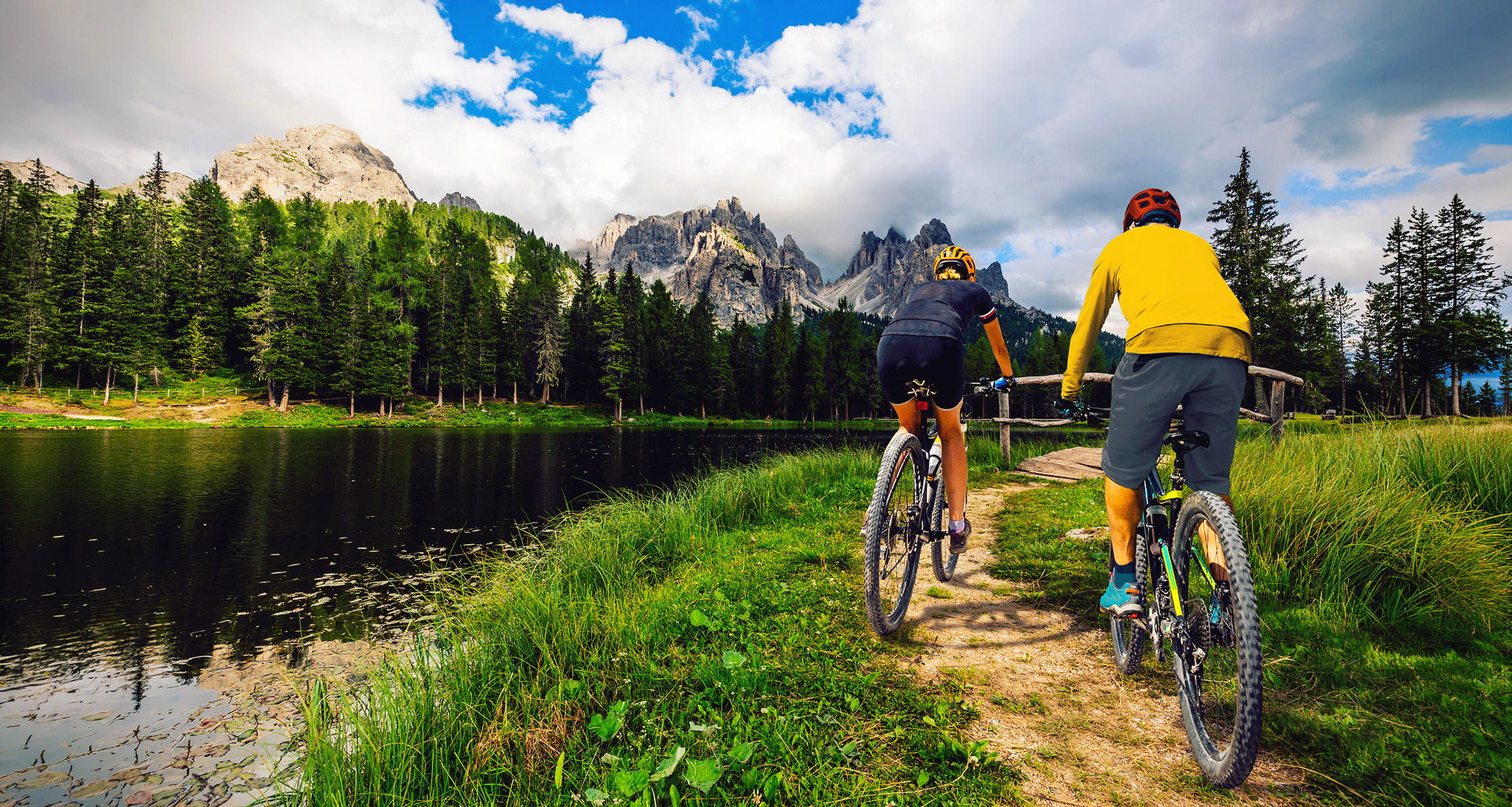
Outdoor recreation has several benefits that can positively affect your mental and physical well-being.
According to data from a variety of sources including the National Library of Medicine and the American Heart Association, spending time outdoors can benefit your health in many ways. Whether it’s a day-long hiking trip, a fishing expedition, or a short walk around the block, outdoor recreation has several health benefits including stress relief, improved fitness, and a better mood.
For Veterans, especially those who may be struggling to transition back to civilian life or who may be dealing with post-traumatic stress or depression, there are several health benefits related to outdoor recreation and many resources designed to help you get started.
Health Benefits of Outdoor Recreation
Outdoor recreation has many benefits that can positively affect your mental and physical well-being, including:
- Improved mood and
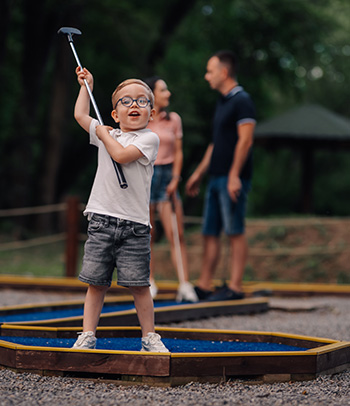 emotional well-being – Studies show that being out in nature, even for 20 minutes, can make you feel happier and reduce symptoms of depression and anxiety.
- Increased physical activity and movement – When you’re outside, you’re often moving (walking, hiking, biking, for example) which has many health benefits, including a reduced risk for obesity, heart disease, and other chronic conditions. Movement also helps reduce inflammation and eases chronic pain, as well as improves symptoms of anxiety, depression, and post-traumatic stress disorder.
- Reduced stress – Spending time in nature can lower your heart rate, blood pressure, and cortisol levels. Natural environments allow our minds and bodies to relax and focus on what we’re doing or seeing, instead of worrying about the past or overthinking the future. In addition, outdoor activities such as mountain biking or kayaking can provide an emotional release and reduce stress and worry.
- Improved sleep quality – When you’re exposed to sunlight, especially in the morning, your body’s internal clock or circadian rhythm can regulate itself, which can help you get better quality sleep at night.
- Improved social connections – Many Veterans struggle with isolation or an inability to connect after leaving the military. Outdoor recreation opportunities with others or in groups can reinforce social connections and help you build a strong community.
- Boosted self-confidence – Completing challenging outdoor activities can enhance your self-esteem and boost your confidence.
- Traumatic brain injury (TBI) and blast injury recovery – Natural, quiet environments give the brain a break from the sensory overload of modern life, which can assist those recovering from TBI or other blast-related injuries.
- Low-impact conditioning – For Veterans dealing with physical injuries or disabilities, outdoor activities like archery, adaptive kayaking, and adaptive cycling can help build physical stamina and strength in a fun and relaxed atmosphere.
Outdoor Recreation Ideas
There are several different ways to enjoy the outdoors for recreation – from high-intensity sports or group outings to relaxing, calming activities, and solo outings. Here are some ideas:
- High-intensity recreation – running, mountain biking, downhill skiing and snowboarding, surfing, rafting, climbing, group sports, and more
- Low-intensity recreation – hiking, swimming, fishing, paddling, horseback riding, golfing, hunting, and walking
- Relaxing recreation – sitting and listening to the water, watching birds, picnicking, gardening, and enjoying the sunrise or sunset
Tips for Getting Out There
- Figure out what works best for you. Think about what you hope to get out of your time outside and find something that is easy to carry out. For example, if you think you need stress release you could try mountain biking, surfing, or another physical activity as a way to release stress. Or if you feel overwhelmed and exhausted, a guided hike in the woods may be a good option.
- Start small. If you aren’t
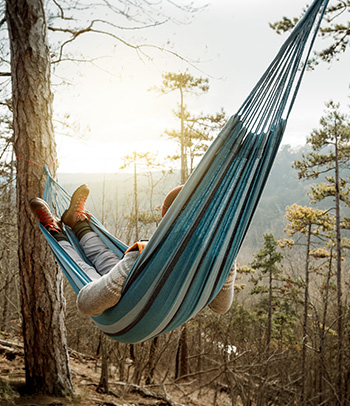 used to spending time outside, take it slow. Plan a short walk or hike, do some gardening outdoors, or find another small way to get fresh air and begin to think about more ways to experience the outdoors. Just a short time outside helps the body and mind heal from daily stress.
- Replace an indoor activity with some outside recreation. See what you’re doing already in your daily routine that you can move outdoors or do with others. For example, enjoy your yoga session out in the yard or join a local hiking group instead of walking on your treadmill inside.
- Think of it as therapy. Outdoor recreation is used by the Department of Veterans Affairs (VA) as a complementary approach to traditional therapy. It can be used as a drug-free way to support your mental and physical healing. Check out VA’s guide on engaging with nature for mental health which is full of information, resources, and exercises to help you enjoy the outdoors to improve your mental health.
Resources
- VA’s Whole Health program has a team of dedicated recreation therapists who incorporate outdoor activities to use as therapeutic tools to support Veterans on their journey to holistic wellness.
- US Vet Connect helps Veterans locate organizations, explore outdoor opportunities, and connect to programs across the nation.
- The Interagency Annual Military Pass, available to Veterans, provides free lifetime access to more than 2,000 federal recreation areas, including national parks, wildlife refuges, and forests.
- Sierra Club Military Outdoors provides outdoor adventures for Veterans and their families, such as hiking, camping, and kayaking trips.
- Wounded Warrior Project offers several programs and services designed to help Veterans take steps toward a healthier life, such as multiday cycling rides and other modified athletic opportunities.
- Military Morale, Welfare and Recreation (MWR) offers low-cost or free quality-of-life programs that support well-being, resilience, and readiness to eligible Service members, families, retirees, and certain Veterans.
- Outward Bound for Veterans has wilderness courses, expeditions, and outdoor activities like kayaking, backpacking, rock climbing, and many more for Veterans.
Spending time outdoors in a recreational setting is an excellent way you can begin to rebuild your mental and physical health after service.