
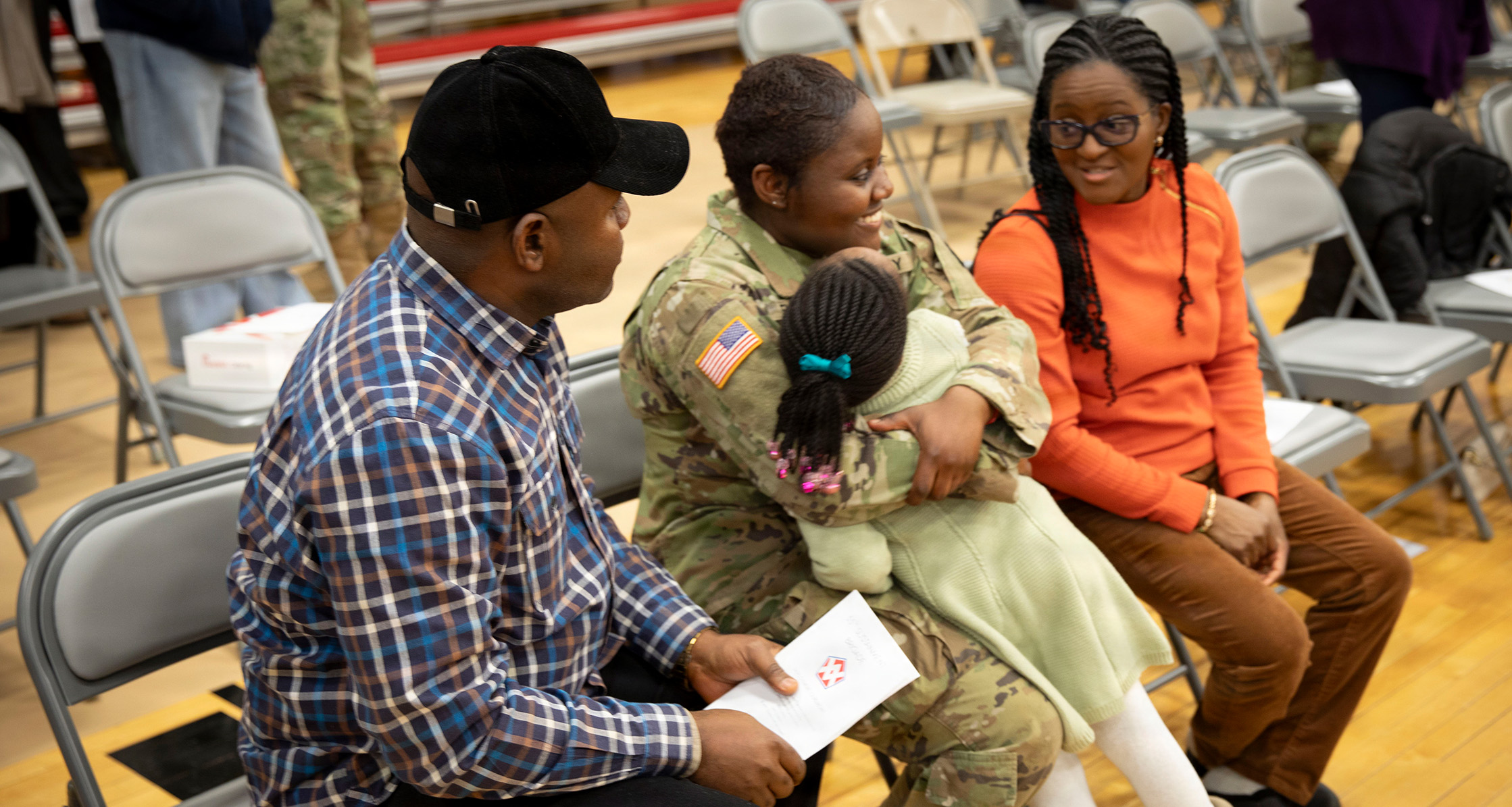
Loneliness, distance, and isolation can be difficult to experience, but there are steps you can take to lessen its impacts and feel more connected and engaged.
Deployments are an important part of serving in the military, but when communication is limited and there is extended separation from loved ones, it’s not uncommon to feel down by distance and loneliness. You may feel like no one understands – or even you don’t understand – what you’re going through while far from family and friends. When you experience extended distance, isolation, and loneliness like this, it can affect your health and wellness. Fortunately, there are steps you can take to overcome it, connect with others, and feel more engaged throughout lengthy military missions.
Learn more about the health effects of loneliness and isolation, and discover some tips and resources to help you stay healthy and well.
Extended Separation and Its Effects
In military life, both deployed Service members and loved ones back home can experience loneliness and isolation. Maybe you and your loved ones are separated for the first time. Maybe you’re in a new part of the world and far from family and friends. Or maybe you’re in a remote area that makes you feel isolated, distant, and alone. All of these situations can make military life feel lonely during a deployment. Loneliness is an emotional state, a feeling that can happen to anyone at any time, when you feel disconnected, alone, or emotionally distant from others.
The U.S. Centers for Disease Control and Prevention warns about the effects if social isolation and disconnection, and the Defense Health Agency shares how loneliness can negatively affect your health and put you at higher risk for:
- Anxiety
- Depression
- High blood pressure
- Heart disease
- Obesity
- Impaired cognitive function
- Weakened immune system
For those deployed, experiencing loneliness may be more common with military members than realized. Although military members are not generally “alone” on deployment and are usually around other Service members, they’re still in a distant, removed environment. They are still away from families and friends, and their main systems of support.
From extended training exercises to long deployments, military Service members as well as their families often spend long periods of time facing distance, potential loneliness, and isolation.
According to Dr. Chris Warner , Mental Health Medical Director at TriWest Healthcare Alliance (TriWest), recognizing impacts of loneliness and isolation in healthy ways preceding and during deployments is key to addressing the effects of extended separation.
“It is important to recognize that there is an emotional life cycle of deployment that begins even prior to separation with the anticipation of the loss of time together, and well beyond the homecoming with reintegration,” he says.
“Deployments and the accompanying separation are not inherently negative events,” Dr. Warner notes. “An individual’s mindset and attitude can determine how deployments are ultimately experienced. Is it seen as an opportunity to embrace challenges and achieve growth, or is it something dreaded? Attitude and approach can be very impactful on the experience,” he emphasizes.
“In the end, deployments can be positive experiences that can increase family bonding, autonomy, self-worth, skills, maturity, and resiliency. But when not successfully navigated or handled in a mature and healthy manner there can be negative impacts,” Dr. Warner explains.
Tips for Dealing with Loneliness and Isolation During Deployments
Loneliness, distance, and isolation during military deployments can be difficult, but there are steps to lessen their impacts and feel more connected and engaged. Check out the tips below and choose the ones that make the most sense for you.
- Avoid unhealthy coping strategies. Activities like drinking alone, using other substances to escape feelings, or engaging in excessive screen time can seem like a good distraction in the short term, but these activities can make you feel more isolated and alone over time.
- Lean on your social
 support network. Whether it’s friends, family members, other military members, or their families, find connections you can lean on when deployments occur. Start a group chat with other military-connected individuals, make phone calls to old friends, and request help when you need it. In addition, you can find support through Facebook groups, social media connections, neighborhood groups, and more.
 - Make a plan for consistent communication. Start a discussion about ways you can stay in touch with your loved ones that will make everyone feel secure, comfortable, and connected. Set a realistic goal for how you can communicate and how often, such as a weekly email, video call, or recording. Remember to stay flexible, as things during deployment can change quickly.
- Connect with your loved ones.
 Though you aren’t physically together, find ways to stay connected. Look at photos, talk about your loved ones, make and send care packages, schedule calls, send emails, and write letters. You can start a note on your phone or in a journal of small moments you want to remember to share. These are all ways to build feelings of connection, helping to eliminate some of the loneliness you may be experiencing.
 - Remember military members’ deployment focus. Our level of connectivity now adds new challenges for those deployed. Military members are able to stay more connected now and they can face challenges with how to navigate it. In today’s connected environment, it’s literally possible deployed Service members are in the middle of combat operations and can be on the phone with a spouse, or worried about doing something for the spouse. This is not an unrealistic situation and requires awareness and understanding.
- Find a healthy focus. Whether it’s a work project, a new or side hobby, a fitness goal, or a cause you’re passionate about, find something to focus on each day. When your days have purpose and growth, it can boost your mood and help you feel more connected to what’s happening around you.
- Get outside when possible. Staying inside, secluded, and keeping to yourself may feel natural when you’re away from loved ones, but getting out is important for your mental and physical health. When feelings of loneliness and isolation occur, get out for some fresh air, go to a park, or take a walk with a friend. Exposure to natural light and fresh air can boost your mood and improve your energy levels.
- Embrace alone time. Being alone or feeling isolated doesn’t mean you have to be lonely. You can embrace time by yourself for activities that promote calm, self-reflection, and health. Consider starting a journal, taking regular walks or hikes, doing a morning yoga or fitness session, or trying an evening meditation. The Department of Veterans Affairs #LiveWholeHealth site has several meditations and breathing practices to try.
- Give yourself something to look forward to. It doesn’t have to be expensive or elaborate, but having something to look forward to can help you manage loneliness and feeling isolated. Plan a game or paint night with a friend, an overnight trip if possible, or an upcoming event that can take your mind off missing your loved ones.
- Find the positive.
 Instead of focusing on how hard things are when you’re away, take the opportunity to find some positives. Maybe the time away can help strengthen your relationship or your relationships with your children or friends. Maybe you’ll develop new skills and strengths, or maybe you’ll finally focus on that personal goal you’ve pushed aside.
 - Prioritize your health. To cope with stress successfully, you must feel your best. Implement healthy eating habits, regular movement, and a good sleep routine, if possible. The stress, loneliness, and distance from a deployment will come, but a healthy lifestyle can help you work through it. For support on building a healthy lifestyle, check out Military OneSource’s health and wellness coaching.
- Reach out for support. You don’t have to manage the stress and emotions of a deployment alone. Check out the tips and resources below to get the support you deserve.
Tips for Family Members Coping with Deployment
- Remind yourself that even though you may hear about deaths in the military, most deployed Service members are not harmed.
- Keep up routines. Try to stick to everyday routines. Familiar habits can be very comforting.
- Take time out for fun. Don’t forget to do things that feel good to you. Take a walk, spend time with your pets, or play a game you enjoy.
- Take time to listen to each other.
- Emotions such as fear, anger, and feeling “numb” are normal and common reactions to stress. Family members need to make sure these emotions aren’t turned against one another in frustration. It will help you to manage tension if you share feelings, recognize that they are normal, and realize that most family members feel the same way.
- Limit watching news media programs. Try to minimize TV, radio, and web exposure related to deployments or war activity. News outlets often spotlight stressful content and images to attract maximum viewers.
Dr. Warner also notes that for families dealing with deployments, especially ones that require considerable length, potential for danger, and distance from home, each has a unique impact on every loved one from spouses to children.
“Depending on the family, children may thrive or suffer with a parent away on deployment,” Dr. Warner explains. “Recent studies demonstrated that older children experienced a greater number of problems during a deployment, and girls reported having more challenges than boys. The at-home parent must find a way to help those who are struggling without the immediate or full support of the deployed parent.”
Finally, Dr. Warner explains that feelings of looming loneliness and isolation can begin even before deployments occur. It’s important to understand it is a cycle that can be managed with understanding that emotions such as loneliness will change throughout a lengthy deployment.
“Deployments are marked by initial periods of emotional disorganization as you process the anticipated separation,” Dr. Warner says. “Then there is a gradual period of recovery and stabilization as you develop routines and learn to navigate new feelings of loneliness and distance. Finally, there is the heightened anticipation of the homecoming which also generates both emotional excitement and apprehension of change – as everyone changes during a lengthy deployment,” he emphasizes.
Useful Resources
- Veterans Crisis Line –The Veterans Crisis Line serves Veterans, Service members, National Guard and Reserve members, and those who support them with free, confidential support 24/7. Dial 988 and press 1 to get connected.
- The Military Family Readiness System – This is a network of support services provided by the War Department to help you manage everyday life, navigate change, and boost your overall well-being. Programs cover areas like deployment, parenting, counseling, and more.
- Military OneSource – Military OneSource has several resources to help you navigate your loved one’s deployment and combat loneliness, including free, confidential counseling and peer-to-peer counseling. In addition, Military OneSource consultants can connect you with information about activities, groups, or other social organizations in your area to help you get more engaged.
Dealing with loneliness, distance, and isolation throughout a deployment is never easy. But with understanding of temporary emotions, a strong social support network, a focus on self-care, and access to resources, you can handle whatever comes your way.