
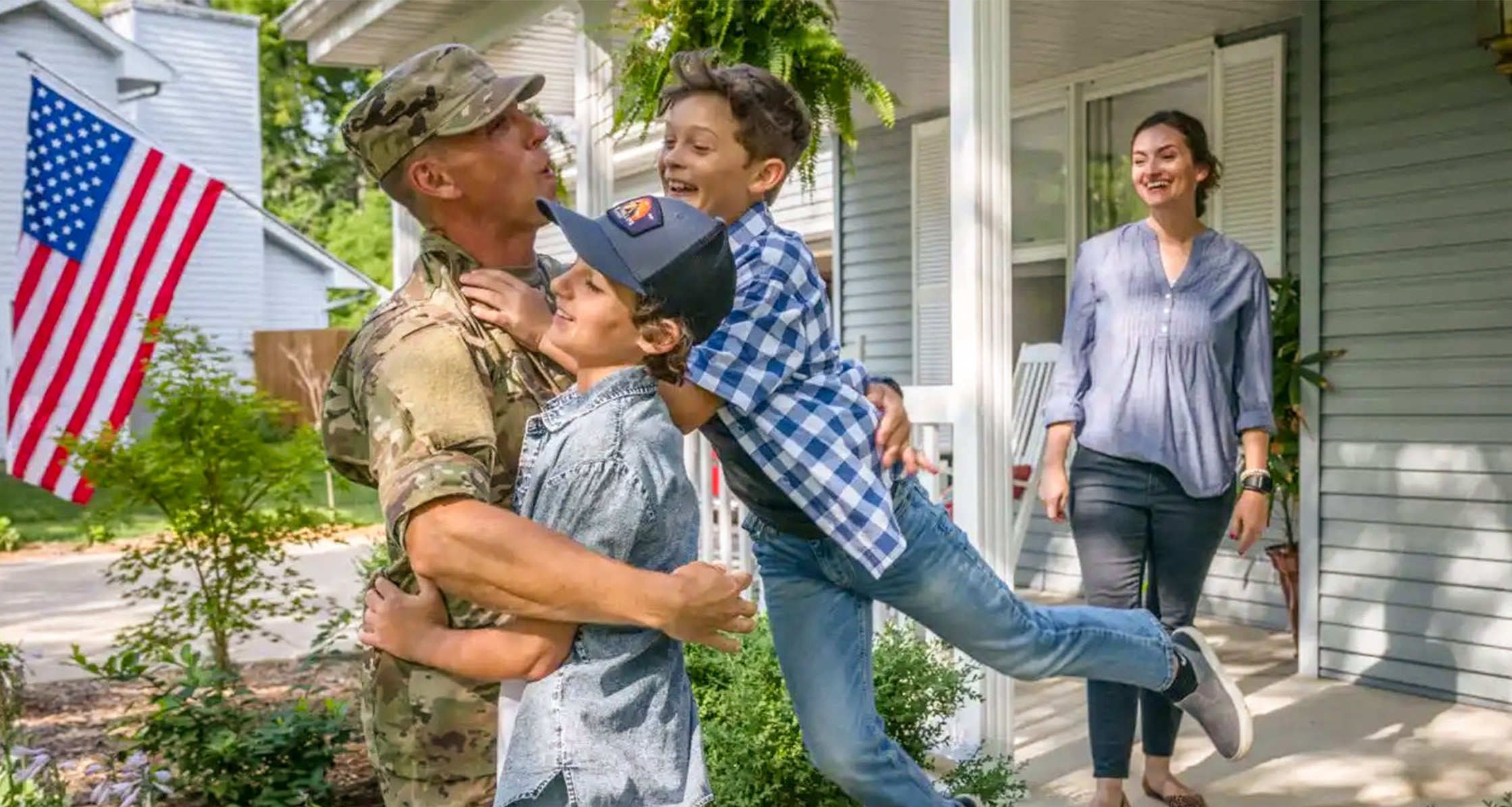
Each year, more than 600,000 military families move to new communities.
Each year, more than 600,000 military families move to new communities. Each PCS, or Permanent Change of Station, brings challenges for military members and families, including leaving behind friends, support systems, and familiar environments and routines.
Building new friendships is an important aspect of a successful PCS and can even play a role in your health and wellness. Whether you’re entering a new military installation or command, or unloading belongings in a different location, learn more about how social connections affect your health and get some tips for building friendships after your next PCS transfer.
The Importance of Social Connections
Many of us have felt the power of a good talk with a friend – it can lift you up, make you laugh, and help you release stress. Social connections are an important part of our wellness.
Research suggests that a person’s physical and mental health is connected to their social health and well-being. People with strong social connections enjoy many health benefits, including:
- Boosted immune systems
- Healthier hearts
- Lower blood pressure and blood sugar levels
- Reduced mortality risk
- A boost in mental health
- Better responses to stress
- Healthier lifestyle choices (For example, we may exercise more or eat better if we believe the people around us care about our choices.)
If social connections can make us healthier, it makes sense to put effort into building friendships too. All it requires is stepping out of our comfort zones or enthusiastically tackling new friendships on each PCS transfer.
Tips for Building New Friendships After Your PCS
- Initiate and engage. When you arrive at new command or community, sometimes you have to be the one to smile first, say hello, and make conversation. Sometimes you have to be the one to give out your number, set up a social get-together, or invite someone over. Even if this seems intimidating at first, the more you do it, the easier it will get.
- Tap into military resources. Check out your local installation to see what it has to offer. Many have newcomer’s sessions, sports leagues, events, and more. Try your installation homepage or contact your Military and Family Support Center. You may be able to volunteer, attend events, or ask to get connected with other families. Leaning on people who understand what you’re going through is a great way to feel more connected.
- Use technology. Use platforms like Facebook and LinkedIn to establish connections and learn more about your new area. Ask for advice and recommendations. Search for military groups, spouse groups, neighborhood groups, and local parent groups to see if you can find activities and events to attend.
- Get out and explore.
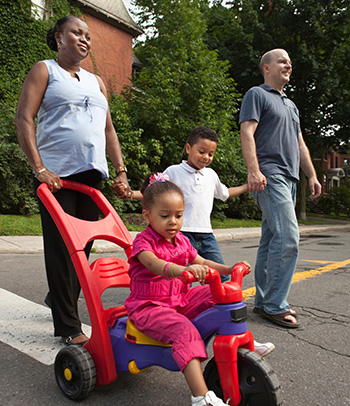 For transferring families, it’s easy to find a million reasons to stay home after you move (boxes, boxes, and more boxes) but it’s important to get out and explore your new area. Is there a local park where you could meet other families? What about a library or community center? If you have pets or kids, consider a dog park or a playground to meet others.
 - Give yourself a break. You don’t need endless friends and you don’t have to connect with everyone you meet. Think about what you need to feel welcome and appreciated and let that guide you. You might find that one or two good friends are just what you need.
- Stay connected to your old support system. While you’re attempting to meet new people, stay connected to the people already in your life. Use social media, make FaceTime calls, and send care packages. Friends, no matter where they are, can provide you support and care you need.
- Host. If you haven’t found anything in your military community to attend, try hosting a get-together. Send a message to other military members and families, to neighbors, or to a neighborhood group online, inviting others to a game night, a bonfire, a playdate for kids, or a potluck.
- Try a workout or walking group. You can do something healthy for yourself while meeting others and socializing. Around many military installations and within civilian communities, you can find a range of activities such as stroller groups for moms with young children, walking or hiking groups, or local gym or community classes.
- Find a spiritual home. Finding a new spiritual home can help you meet like-minded people, serve as your base when you need support, and provide you with events to attend.
- Join a club. Finding people who share your interests is a great way to establish connections within your command or community area. It could be something you already love or a skill you’d like to learn, like golf, tennis, pickleball, knitting, cooking, dance, or chess.
- Build connections at your child’s school. If you’re a parent, go to a PTA meeting, sign up to volunteer, or attend a fun event like back-to-school night. This is a great way to help your kids adjust and meet other families.
- Volunteer. If you
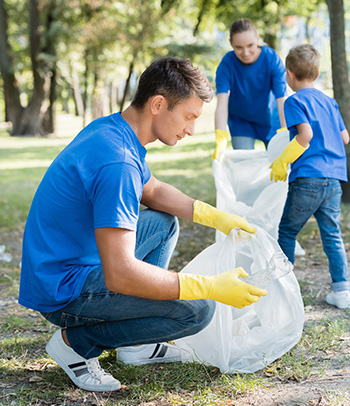 have a cause you’re passionate about, volunteering is a great way to meet others who share your passion. Join a local group based on volunteer work you’ve done in the past or find something new. Try VolunteerMatch for a simple way to match your zip code with causes you care about.
 - Check out Blue Star Families. For transferring families, Blue Star Families works to strengthen military families and connect them to their communities. Interact with other military families in the Blue Star Neighborhood, an online forum where you can share stories, resources, and helpful information. Discover events in your community, join an online book club, get advice from other military spouses, or find something else that makes you feel more connected.
Resources
- Military OneSource has several moving-related resources to help you have a successful PCS transfer. In addition, check out the Blog Brigade, a blog full of the voices of other military spouses who know a thing or two about moving and relationships.
It’s never easy to start over, but it’s important to prioritize building friendships after each PCS transfer. Your mental and physical health will thank you!