
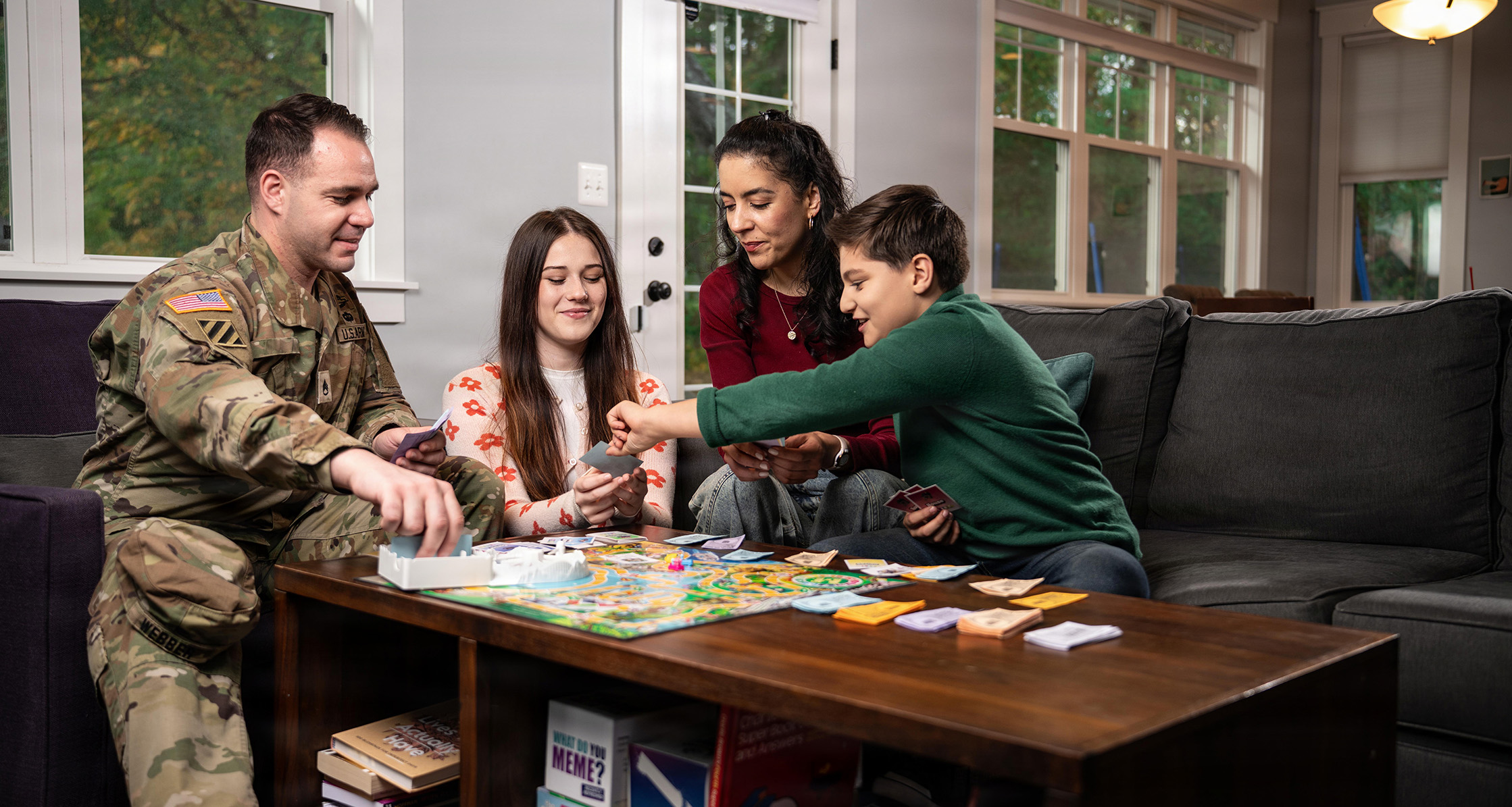
With the right strategies and support, you can help your children manage the ups and downs of military life.
When you think about military children, it’s easy to focus on their strengths. They often show adaptability, maturity, and resilience beyond their years. They understand what words like sacrifice and service really mean.
But all of these strengths aren’t developed without challenges and setbacks along the way. Military children face unique situations such as frequent moves, long separations from one or both parents, and more.
With more than 1.6 million military children in the United States, it’s important to understand the unique challenges they face and ensure parents have strategies and resources available to help their children navigate the ups and downs of military life.
The Challenges
Every military child’s experience is different, but often their worlds are shaped by some of the unique challenges present in military life, including:
- Frequent permanent change of station moves – Frequent moves can mean adjusting to new schools and communities, losing important friendships, disrupting academic progress, and more.
- Parental separation – Long deployments or trainings can mean struggling with the emotional toll of separation, trying to manage fear over a parent’s safety, and dealing with added responsibilities while a parent is away. Deployments in particular can create additional levels of stress and anxiety, which can result in behavioral, academic, and mental health challenges.
- Reintegration after separation – When a parent returns from a deployment, for example, children may face dealing with a parent’s mental and physical injuries, relearning expectations, finding ways to reconnect to their parent, and navigating changes to their routine.
- Lack of understanding – If your family isn’t surrounded by a military community, children may feel isolated or unseen by the civilians around them.
While children can develop strength from dealing with these challenges, they may also struggle with the stress of it all. Signs of stress will look different in children of different ages, but common signs of stress in military children may include:
- Irritability, moodiness, anger
- Withdrawal from activities they used to enjoy
- Separation anxiety
- Changes in sleep patterns or eating habits
- Physical symptoms such as stomachaches and headaches
- Attention-seeking behavior
- Defiance of authority
Strategies for Parents
- Teach coping skills.
 Equip your children with strategies to help them manage stress. Show them simple ideas such as deep breathing exercises, journaling, physical activities like yoga, and more. You can teach these skills by working on them together and finding the ones that work best.
 - Keep consistent routines. Routines can help create stability and security – even when things are constantly changing. Keep as much as possible the same, like meal times, special Friday night rituals, bedtime routines, and more.
- Validate their feelings. Make it comfortable for your children to share openly and make sure they don’t feel guilty about how they feel. Remind them it’s safe to share worries, excitement, and everything in between.
- Celebrate their strengths. Celebrate what your children are doing well and highlight the strengths that come from being a part of a military family, like adaptability, courage, and perseverance.
- Maintain connections. If a parent is deployed or away at training, work hard to maintain a strong connection. Send care packages, schedule video calls, and keep important memories stored and ready to share upon their return. In addition, keep them connected to friends and family, even after a move, to help provide a sense of belonging, which can be especially comforting during times of transition.
- Pay attention. It’s so easy to get caught up in handling the never-ending to-do list, but make time to notice how your kids are coping, especially after a big transition, like a reunion, move, or deployment. Watch for changes in behavior and mood, and check in with other adults in their lives. Keep schools and other important people informed of big changes so they can help too.
- Get involved. Whether it’s
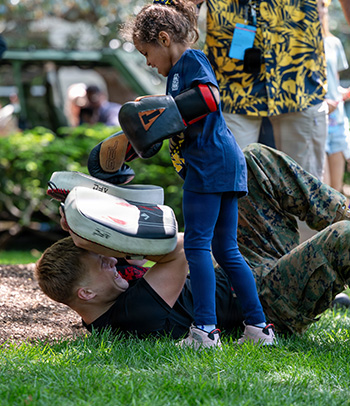 through sports, arts, or volunteering, getting involved helps them form connections. If you are geographically isolated or in a civilian community that isn’t full of military kids, try to connect them with kids who have shared experiences with things like online communities, meetups, summer camps, and more. The National Military Family Association has resources to help with this.
 - Make school transitions as smooth as possible. Connect with a school liaison officer whose job is to help you navigate the transition and help you with enrollment, transcript concerns, and even things like connecting your child with a friend before school begins. For your part, gather records and communicate openly with both schools. Start a binder for teachers full of work samples, teacher notes, and other important information, so your child can hit the ground running.
- Model and teach social skills. If you’ve moved a lot, your kids may struggle with how to build and maintain friendships. Teaching them social skills may help them make friends more easily. Model good habits with your friends, explain the importance of being a good friend, and provide opportunities for them to try out their skills.
- Manage your own stress during difficult times. When your family is experiencing deployment, for example, your children will look to you for how to respond to the additional stress. Manage it in healthy ways, like exercising, meditation, or counseling. Share with your kids how these strategies can help and avoid turning to alcohol or other drugs to escape. For more tips on navigating deployment, check out Healthy Homefront’s When Duty Calls: Guiding Your Children Through Deployment.
- Get support. You don’t have to do this alone. Check out the resources below to help you and your family thrive through whatever challenges you’re facing.
Resources
- Your TRICARE plan offers a wide range of benefits to help you and your family stay strong and healthy throughout your time in the military, including preventive care, mental health support, and more.
- Military OneSource has a parenting section full of guidance on making moves easier for your children, talking to teens about difficult topics, and more. Military OneSource also provides free, confidential counseling for youth ages 13-17 and family counseling sessions for children ages 6-12 with a parent present.
- The Military and Family Life Counseling Program provides free, confidential counseling to Service members and their families on or near installations. Children and youth behavioral military and family life counselors can provide support for issues such as low self-esteem, behavioral issues, and difficult life situations like divorce and deployment.
- Sesame Street for Military Families has information, videos, and games to help your young children deal with a range of military life challenges, including deployments, homecomings, and much more.
- The National Military Family Association supports military families and children through the unique challenges of military life with programs such as Operation Purple Camps, free summer camps designed exclusively for military-connected children, as well as the Bloom Military Teen Program, a virtual space where military teens can connect through blog posts, podcasts, art, and more.
- Blue Star Families offers several ways for military families to feel connected and supported through initiatives such as family book clubs and book giveaways, local and virtual events with other military families, free admission to several museums, zoos, and nature centers, and much more.
With the right strategies and support, you can help your children manage the ups and downs of military life.