
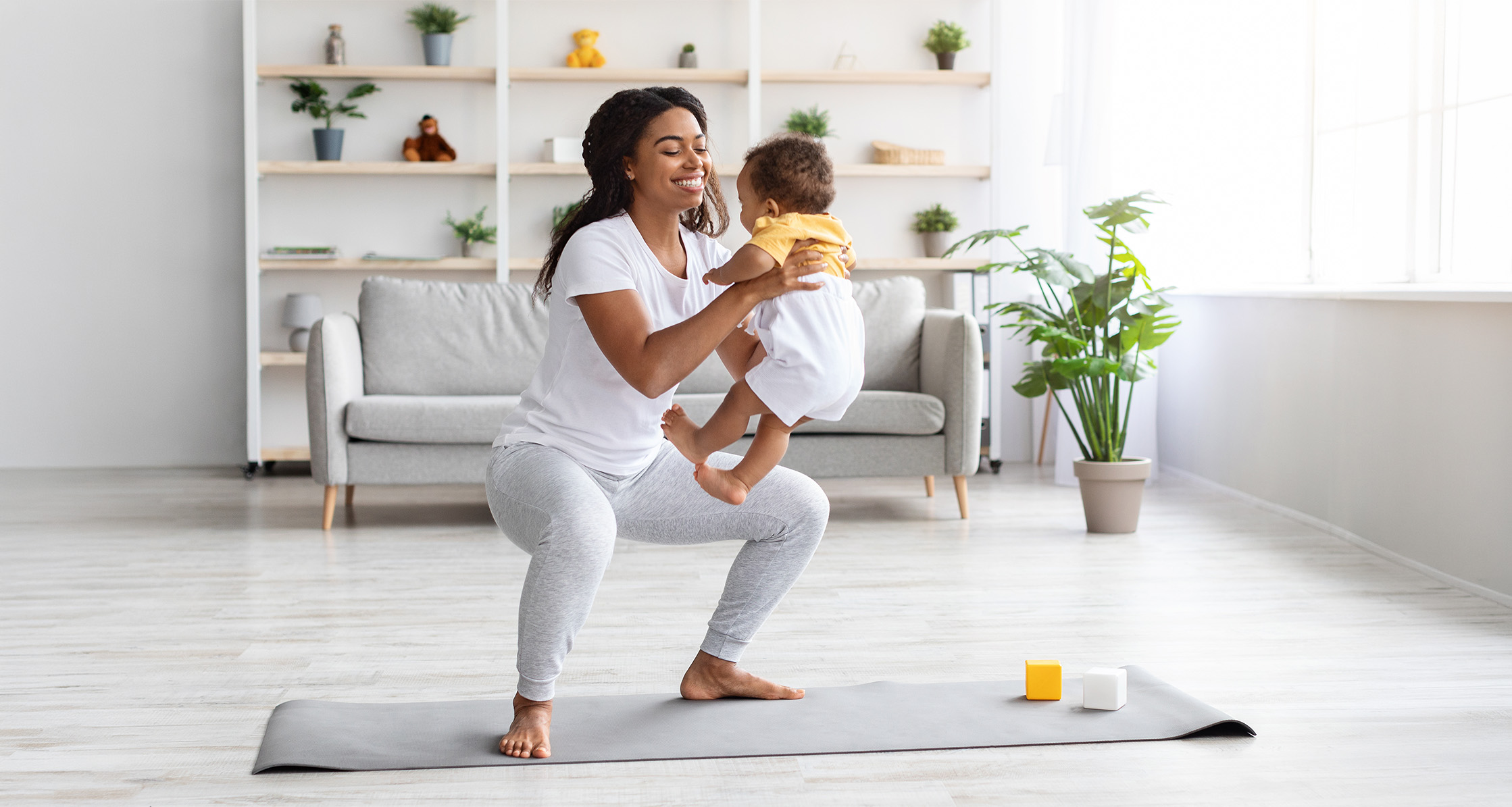
The first step, before starting any exercise routine, is to talk to your provider about when and how to start exercising.
After you give birth, most of your time and energy are spent bonding with your baby and figuring out how to take care of your newborn. Often during this time, you’re more focused on your little one than yourself.
But as your body heals and recovers, you may wonder about safe ways to begin exercising and moving your body again. While it’s important not to pressure yourself to get “back in shape,” exercise and movement can be an important part of your recovery and can provide many health benefits, like improved mood and energy levels.
Learn more about the health benefits associated with postpartum fitness, as well as some tips and resources for starting your journey safely.
Health Benefits of Postpartum Fitness
There are many health benefits associated with exercising both during and after pregnancy, but of course, the most important aspect of postpartum fitness is how it makes you feel. If your body is still healing and you aren’t ready, you should listen to your body. Begin only when you feel ready and able, not to meet someone else’s expectations or timeline.
With postpartum fitness, you can:
- Boost your energy level
- Improve your mood
- Relieve stress
- Ease back pain and bladder leaks
- Help with weight loss, especially when paired with healthy eating
- Improve cardiovascular fitness
- Strengthen your belly and pelvic floor muscles
- Sleep more soundly
- Ease symptoms of depression and anxiety and lower your chances of postpartum depression
- Help lower blood pressure and lower your risk for type 2 diabetes
In addition, the more activity you incorporate into your daily life, the easier it will be to keep up with your baby as he or she grows. You’ll also set a positive example for years to come.
Safe Ways to Exercise After Giving Birth
The first step, before starting any exercise routine, is to talk to your provider and get the green light. Usually, experts agree that if you had a healthy pregnancy and a normal vaginal delivery, you can start exercising again soon after the baby is born, within a few days of giving birth, or as soon as you feel ready. If you had a cesarean birth or complications, ask your provider about when it is safe to begin exercising again. Your provider can give you personalized advice about which exercises are safe and effective. Listen to your body and prioritize activities that make you feel better, including getting enough rest.
When you first start exercising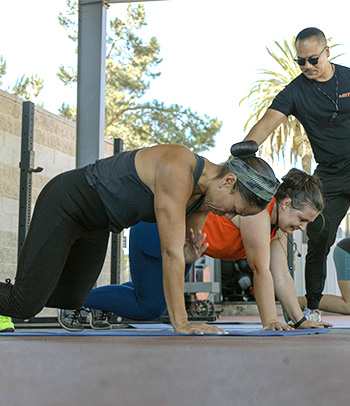 after giving birth, try simple exercises and movements and gradually work your way into a routine. Experts recommend starting with low-impact exercises that are gentle on your body. For example, start with short, easy walks and pelvic floor exercises (Kegels). Over a few weeks, work up to brisk walking for 20-30 minutes. Wait until stitches or incisions have healed, and make sure bleeding doesn’t get heavier with activity, before you do harder workouts. You could also try another moderate physical activity like cycling or a postpartum fitness class.
Add simple strength exercises to your routine when you’re ready. With your provider’s OK, add strength exercises such as yoga, Pilates, body weight moves (like lunges and squats), or light weights and resistance bands. If you leak urine, feel heaviness or a bulge in your vagina, or notice a gap or bulge in your belly, ask about seeing a pelvic floor physical therapist. There are several free strength training videos online geared toward postpartum fitness.
Begin slowly and increase your intensity and duration gradually. For most healthy women, the Department of Health and Human Services (HHS) recommends at least 150 minutes a week of moderate-intensity aerobic activity after pregnancy, but listen to your body. Take rest breaks as often as necessary and stop exercising if you feel pain. Stop exercising and call your provider if you have bleeding that gets heavier, belly pain that gets worse, pain at your C-section incision, dizziness, or pain or swelling in one leg. Call 911 if you have chest pain, trouble breathing, a severe headache that won’t go away, or heavy bleeding (soaking a pad in an hour or passing clots bigger than an egg).
When you do decide to begin exercising again, be sure to stay hydrated and fuel your body with nutritious foods. Drink plenty of water and eat healthy foods. Increase how hard and how long you exercise little by little. HHS recommends working up to at least 150 minutes a week of moderate activity, like brisk walking, spread out over the week. If you did hard workouts before pregnancy, you can usually go back to them over time. If you’re breastfeeding, feed your baby or pump before exercising and wear a supportive bra. Exercise does not lower milk supply or affect your baby’s growth.
Tips to Keep in Mind
- Don’t beat yourself up. Finding time to exercise can be challenging, hormonal changes can make you more emotional, and some days you may just be too tired. This is all OK. Don’t give up and don’t beat yourself up about it. If you miss days or take more time away from exercising than you expected, it’s OK. Give yourself time and grace during such a momentous time. Feeling weepy for a week or two after birth is common. If sadness, worry, or loss of interest lasts more than two weeks, or you have thoughts of harming yourself or your baby, contact your provider right away or call or text 988.
- Be patient. Your body changed over nine months, and healing takes time. Weight loss after birth is often slow, and lack of sleep and breastfeeding can affect your weight and energy. Be patient with your body as it undergoes these changes and give your body time to heal and adjust. Your focus should be on your health, not a specific weight goal.
- Avoid comparisons. Social media may convince you that you should be back to your prebaby weight within seconds of giving birth or that most women “bounce back” easily to the shape they desire. As you hopefully know, social media is full of filtered images and unrealistic stories. Avoid comparing yourself to anything you see online and don’t get caught up in someone else’s made-up timeline or idea about what you should look like after giving birth.
- Prioritize progress. Focus on how you feel, not how you look or what the scale says. Remember the idea behind postpartum fitness is to feel better, not to add stress or another item to your to-do list. Try to release any pressure you’re putting yourself under related to exercise and do what makes you feel better each day.
- Make it work for you.
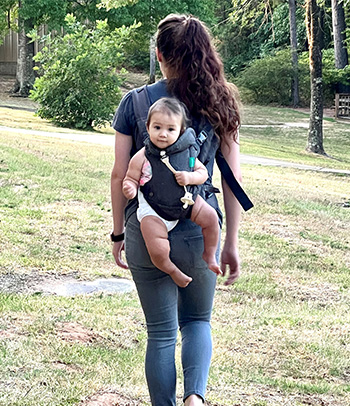 If you are worried about taking time away from your baby, include your baby in your fitness plan. Take your baby in a stroller for a walk or to your fitness class. If you prefer time alone, exercise while your baby naps, or ask someone to help out while you take 30 minutes for yourself.
- Seek support. New parents often try to do it all and think they need to be there for every moment. It’s OK (and healthy) to ask for help and to work in some time for yourself. Ask your partner, friends, and family to support your goals. In addition, there are several resources available to support you if you are struggling to manage all of these life changes. Check out the resources below to learn about confidential counseling options, new parent support classes, and more.
Resources
- Military OneSource’s New Parent Support Program offers free parenting education and support designed to help you navigate the first stages of parenthood, including baby sleep routines, development, military-specific challenges like deployments, and more. Military OneSource also offers new parent specialty consultations and free, confidential counseling to work through any challenges you may be facing.
- Both TRICARE and the Department of Veterans Affairs offer postpartum healthcare and mental health support for concerns such as postpartum depression, anxiety, parenting with post-traumatic stress, and more.
- The Move Your Way website can help you find safe, fun ways to get active after pregnancy. The activity planner can help you build a personalized weekly activity plan and track your progress.
Enjoy all of your baby’s first moments, and when you’re ready, jump back into a safe, healthy fitness routine that makes you feel your best.