
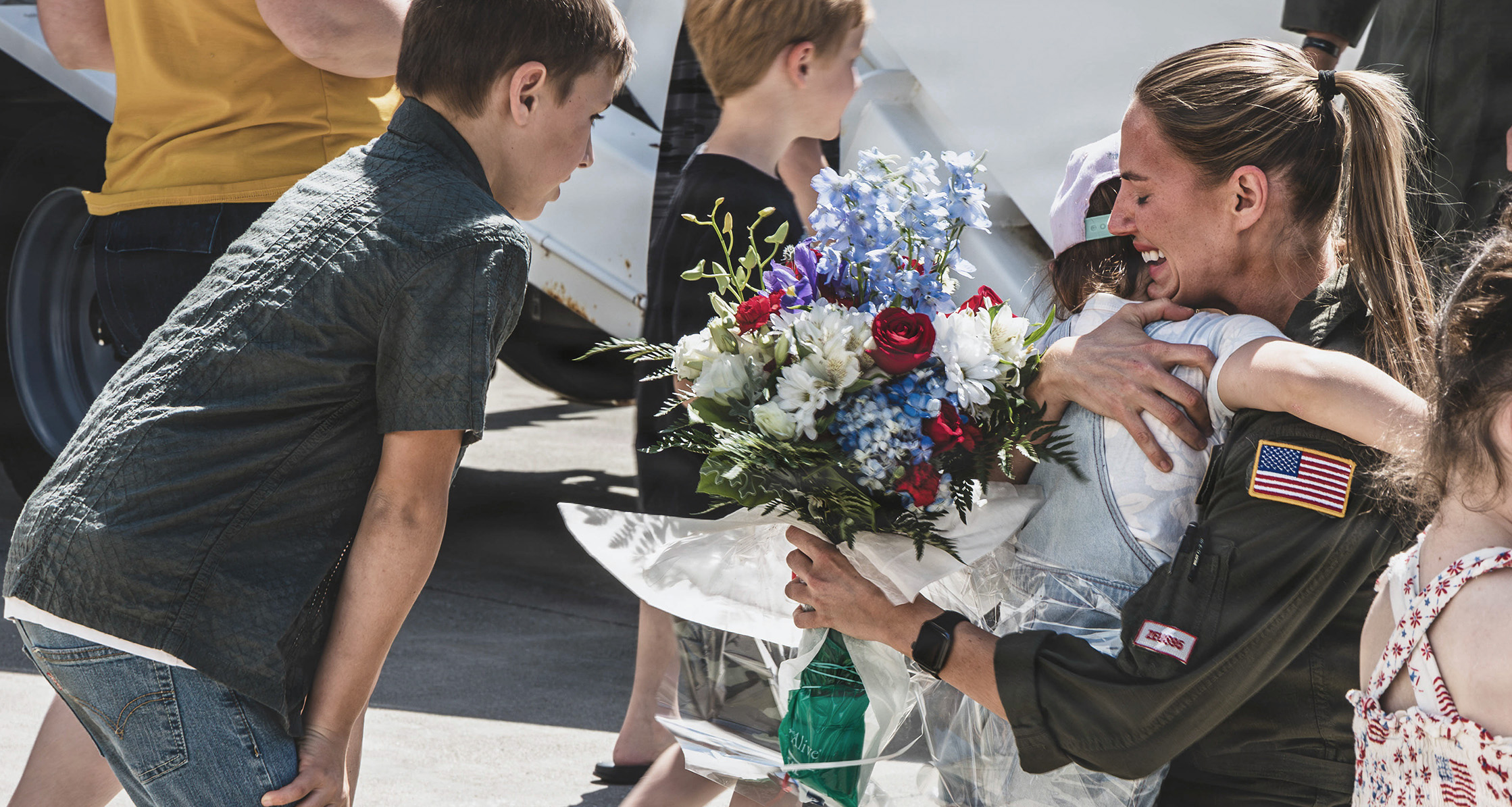
There are many ways for families to support military members during lengthy or high-risk deployments. Homefront support is always appreciated, and families that discuss what support and communication options are realistic help ensure disappointments during deployment don’t occur.
For those serving in the nation’s defense, deployment is a common event that can bring demands and uncertainties creating stress, physical and mental fatigue, and other challenges.
At the same time, deployments can provide military members camaraderie with new friends, foreign travel, and memories – good and bad – that can last a lifetime.
On the homefront, deployment is also stressful and challenging as loved Service members are far away with limited knowledge of their precise location, daily activities, and overall condition.
Preparing the homefront and supporting loved ones during deployment is key to dealing with lengthy separation, maintaining relationships, and bridging the distance.
Understanding the Demands of Deployment and Potential Conflict
For military members, following orders is the first responsibility of serving the nation. That means when a command or unit is ordered to deploy to a region and possibly engage in armed conflict, all assigned members are required to commit.
It also means that families should understand that during deployment their Service member will become extremely occupied with their military responsibilities. Their separation from family during deployment is more than physical, it is also in mindset and daily focus, too.
Depending on your family Service member’s military branch and role, there can also be service-unique demands that create further impacts during deployment.
Jeremey Biehn, Vice President,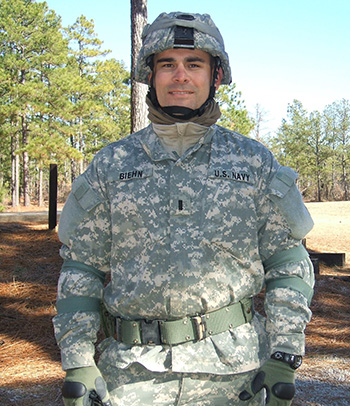 Southwest Region, Military & Veteran Services at TriWest Healthcare Alliance (TriWest), is a U.S. Navy Veteran who served 30 years and deployed multiple times. He first served as an enlisted Hospital Corpsman and Search and Rescue Medical Technician, and later as a Medical Service Corps Officer.
He emphasizes that military deployment is generally demanding work with limited free time. During deployment, free time is often used for getting rest, maintaining hygiene and personal order, and other military priorities.
All of these demands can create distance between military members and families back home.
“Deployed Service members frequently work long and irregular hours while dealing with exhaustion, operational stress, changing schedules, limited privacy, and unreliable communications,” Biehn emphasizes.
Don’t be alarmed when your loved one is not as responsive and communicative as when at home, he says.
“One of the most significant challenges is managing uncertainty – families may not know where their loved one is, what risks they are facing, or when they will be able to communicate again. There may also be important details they cannot discuss because of operational security, even with their closest family members,” Biehn stresses.
“A delayed call, a brief response, or an unusually quiet conversation usually does not indicate a lack of interest or affection.”
“Patience, encouragement, humor, and communication that does not create guilt can help the Service member remain connected and resilient,” he adds.
Prepare Before Deployments, Potential Conflict, and Challenges Begin
Fortunately, military members and their families are not left alone to navigate the difficulties that deployment introduces. There are useful tips and resources available to help military members and families prepare for and manage deployments and separations.
“Preparation before the deployment is one of the greatest forms of support a family can provide,” Biehn says. “Families should discuss finances, emergency contacts, legal documents, household responsibilities, communication expectations, and available military or community resources before the Service member deploys,” he advises.
“It is also important to build a trusted support network rather than attempting to manage every challenge alone,” he says. “The family member at home often assumes responsibility for the household, children, finances, emergencies, and major decisions while trying not to add to the deployed member’s stress.”
“Having a strong support network at home can make a tremendous difference,” Biehn emphasizes.
Family Resources for Pre-Deployment Planning and Preparation
There are several online resources from the Pentagon’s Office of Military Community and Family Policy for those facing deployment. Its Military OneSource website offers tips and resources for military members and their families as they prepare the homefront and provide support during deployment.
The resources below can help family members prepare, get organized, and reduce stress involved with military deployment.
- Plan My Deployment Checklists – This resource helps families prepare for all phases of deployment and organize details — from legal documents, finances, family care plans and more.
- Deployment Resources – This resource assists with financial planning, confidential counseling, and more to help prepare for deployment.
- Parenting Through Deployment – This site provides important information to support parenting while a family Service member is deployed.
- Caregivers Support – This site provides support for caregivers during deployment to relieve deployed parents.
- Create a Family Care Plan – A family care plan is required for military members, and it must be kept up to date. This site helps find your military branch’s family care plan guidance.
Communication and Support During Deployment
Separations can be difficult for all family members during deployment, particularly if they are high risk or lengthy.
A family military member’s role and branch can involve additional conditions that create communications and support difficulties during deployment.
Tim O’Haver, TriWest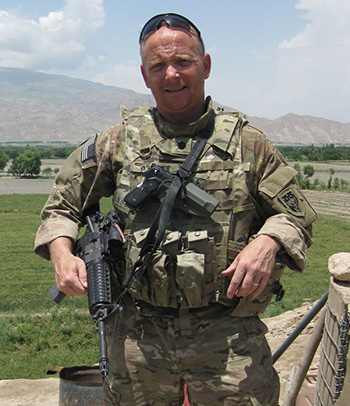 Vice President, Northwest Region, Military & Veteran Services, is a U.S. Army Veteran who deployed multiple times during his 23-year military career. His first ground forces deployment included service in Bosnia and Herzegovina as a captain in 1997 within NATO’s Implementation Force to enforce the Dayton Accords peace treaty.
In 2012, he deployed to Afghanistan as a lieutenant colonel in support of Combined Forces Special Operation Component Command-Afghanistan. The command’s mission was to build, train, and equip the local police force.
“Among deployed Service members, inconsistency in communication due to time difference, operational challenges, and lack of privacy pose one of the most pressing and immediate problems during deployments,” O’Haver explains. “For troops, there’s never enough time to close the gap on everything missed, from major life events to small milestones, each of them widening the emotional distance from families.”
According to O’Haver, deployed ground force members in combat zones often face increased operational stress, physical danger, and missed family milestones, primarily due to unpredicted communication blackouts and a heavy psychological workload.
“To overcome these challenges, families should understand the emotional cycle of deployment and adapt using flexible routines and various communication options,” O’Haver emphasizes.
Jeremey Biehn also emphasizes that it can be easy to misunderstand messages without hearing a voice or body language. Family members should assume the best through communications that can be occasionally intermittent and remote.
“Even when communication is limited, regularly sending messages gives the deployed member something positive to read when an opportunity becomes available,” Biehn adds.
The Military OneSource website explores options for staying connected with family military members during deployment.
In particular, the site features useful information on the following recommended options:
- Letters – Mailed letters are nearly always a treat for deployed Service members and can be sent as frequently as preferred. It can be helpful to number each letter before mailing because several letters often arrive at once with military mail deliveries.
- Care Packages – Like letters, care packages with useful items are also a welcome treat. They can include simple items like socks and hygiene products (no alcohol), and personal items like recent photos or grades.
The website also shares useful tips on communication during deployment, including:
- Modern Communication Throughout Deployment – Technology has improved how military members and their families can stay connected in real-time throughout deployment, but there are limits. Deployed military members may not always be able to communicate online or by phone, so patience and understanding are essential.
- Follow Operations/Security Guidelines – Be aware that restrictions on sharing information about a Service member’s deployment are to protect military members and their families. Avoid sharing details about the Service member’s deployment, such as arrival and departure dates and times.
Finally, for couples who face extended separation, the Military Health System offers an informative article for maintaining relationships with loved ones during deployment.
How to Provide Emotional and Practical Morale Support to Deployed Loved Ones
Spouses, partners, and family members on the homefront are an essential source of emotional and practical support for military members during deployment and conflict.
O’Haver explains that it’s often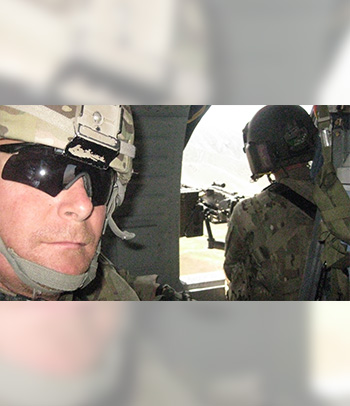 the personal gestures and items received from the homefront that keep military members moving forward on their missions.
“While deployed troops always look forward to being able to speak with loved ones and family via video calls, care packages filled with notes, snacks, and pictures go a long way toward keeping them grounded,” O’Haver shares.
“The most meaningful support is often simple, personal, and consistent,” Biehn echoes. “Short messages, photographs, children’s artwork, recorded greetings, and care packages containing familiar items from home can provide an important emotional connection during long and difficult days.”
Finally, lengthy deployments by nature require awareness that even with consistent communication, family military members are likely to change through the process.
For family members, the following considerations are helpful when communicating with their loved ones through the duration of a deployment:
- Keep stress in check and maintain a positive mindset throughout communications benefits both the Service member and family members back home.
- Maintain a positive mindset to support a deployed loved one and to also give strength to families throughout the deployment and separation.
- Listen to a deployed Service member if they share about their stress. Being an ear to listen can be enough to alleviate tension. Family members may suggest helpful ideas such as connecting with a fellow deployed member, a command leader, or chaplain.
“Positive and consistent family support boosts the psychological resilience of deployed Service members by reducing their stress and improving their operational focus,” O’Haver says.
There are many ways for families to support military members during lengthy or high-risk deployments. Homefront support is always appreciated, and families that discuss what support and communication options are realistic help ensure disappointments during deployment don’t occur.